
A deepening pessimism among US consumers signals rising economic risks, even as their inflation expectations show signs of easing.
A deepening pessimism among US consumers signals rising economic risks, even as their inflation expectations show signs of easing.
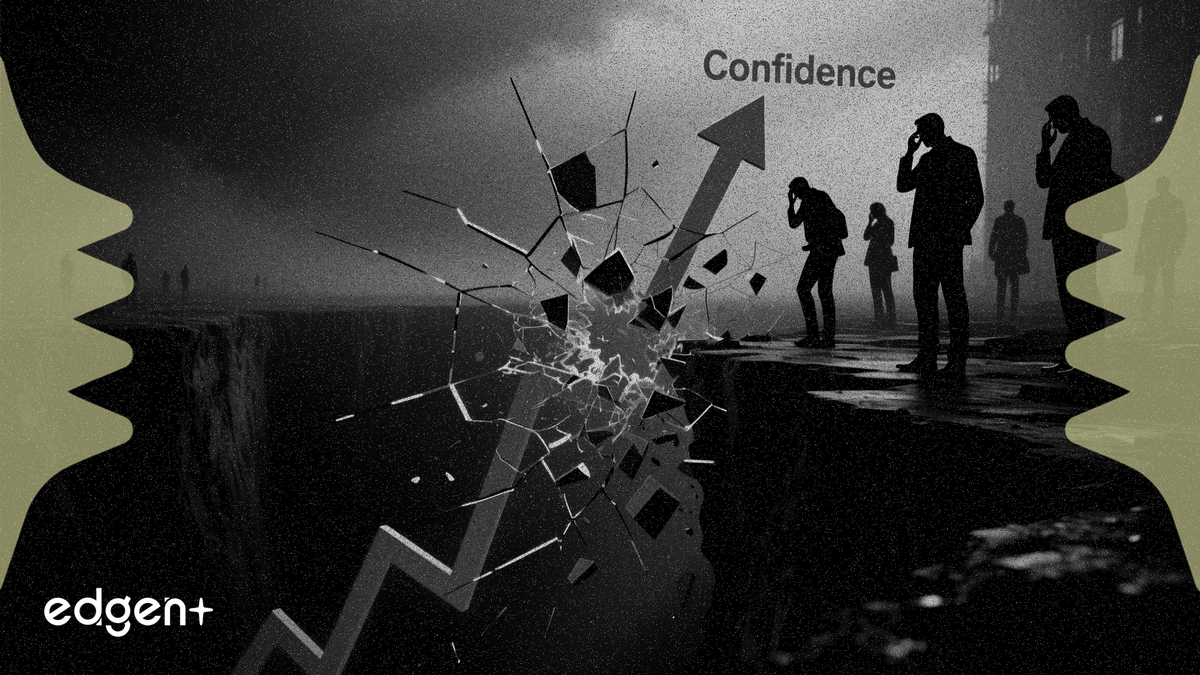
American consumer sentiment plunged to an all-time low in early May, with the University of Michigan’s preliminary index falling to 48.2, signaling deep-seated pessimism about the economy even as inflation expectations eased slightly.
"Essential categories—such as groceries, gas, and household items—continue to show net positive spending intentions, while discretionary categories like consumer electronics, computers, and alcohol exhibit comparatively weaker spending outlooks," Michelle Weaver, an analyst at Morgan Stanley, wrote in a recent report.
The May reading of 48.2 was well below the consensus forecast of 49.5 and the final April figure of 49.8. The index for current economic conditions held steady at 52.5, while the expectations gauge fell to 48.1. On a more positive note, one-year inflation expectations moderated to 4.5 percent from 4.7 percent, and the five-year outlook dipped to 3.4 percent.
The historic drop in confidence poses a significant threat to economic growth, as consumer spending is the primary engine of the U.S. economy. The persistent gloom, driven by high gasoline prices and concerns over personal finances, could force households to cut back further on spending, increasing the risk of a recession even as equity markets trade near record highs.
The data paints a starkly different picture from the one presented by President Donald Trump, who recently claimed that "consumer confidence is way up." Multiple metrics, including the University of Michigan survey, the Conference Board’s measure, and polling aggregates, show sentiment is lower now than during the previous administration. While the White House has pointed to strong retail sales, economists caution this may reflect higher prices from tariffs rather than robust consumer demand.
Indeed, a more comprehensive measure of household spending, personal consumption expenditures adjusted for inflation, has shown a general decline during Trump's second term, according to data from the Federal Reserve Bank of St. Louis.
A key driver of the dour mood is the persistent pressure from inflation, particularly rising gasoline prices. According to a Morgan Stanley poll, inflation remains the top concern for 57 percent of Americans. This is forcing consumers to make difficult trade-offs, prioritizing essential goods over discretionary items.
"The principal risk is a sustained period of triple-digit oil prices," said Ed Yardeni, president of Yardeni Research. "If Brent crude remains above $100 a barrel for long... real income growth will compress further, and aggregate demand will slow." This pressure is leading analysts to issue warnings on consumer discretionary stocks like Home Depot and Best Buy, which have underperformed the broader S&P 500.
The disconnect between Wall Street's optimism and Main Street's anxiety remains a central theme. While the S&P 500 and Nasdaq Composite have notched record highs, fueled by strong corporate earnings and AI-related investment, the average consumer is more worried about their ability to cover mortgage payments and manage debt. This divergence highlights a fragile economic foundation, where headline market gains may be masking underlying weakness in household financial health.
This article is for informational purposes only and does not constitute investment advice.

