

Tesla and Waymo are scaling new vehicle platforms for their robotaxi services, with the Cybercab and Ojai entering commercial deployment in parallel.
Tesla and Waymo are scaling new vehicle platforms for their robotaxi services, with the Cybercab and Ojai entering commercial deployment in parallel.
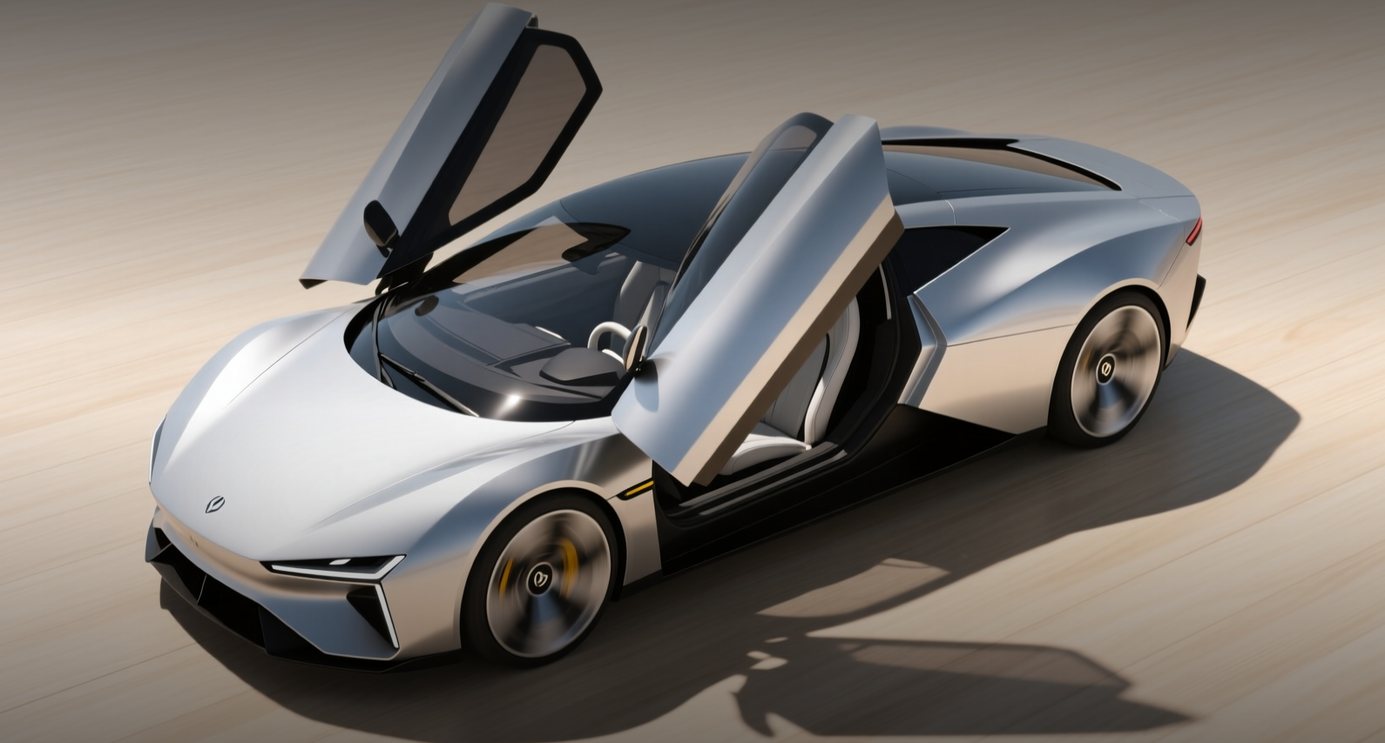
Tesla and Waymo are scaling new vehicle platforms for their robotaxi fleets, with Tesla testing its two-door Cybercab at 125,000-unit annual capacity while Waymo rolls out the Ojai for paid rides in more than 10 cities.
"All cars will have Starlink in the future. It's the only way to get super high bandwidth to billions of vehicles," Elon Musk posted on X, as Tesla confirmed factory-integrated Starlink satellite hardware in the Cybercab.
Cybercab production began in the second quarter at Gigafactory Texas, which now holds installed annual capacity of more than 125,000 units. Engineering test drives of the production vehicles started on public roads in the same quarter, and Tesla began offering employee rides on the Texas campus in July. Tesla currently uses Model Y vehicles in its robotaxi fleet, with the two-seater Cybercab — which has no pedals or steering wheel — expected to join in time.
The parallel ramp-up puts Tesla and Alphabet-owned Waymo on a collision course for the robotaxi market, where Amazon's Zoox is also launching paid rides in Las Vegas after receiving a first-of-its-kind NHTSA exemption for 2,500 purpose-built vehicles a year.
Cybercab's Starlink Integration
Tesla AI chief Ashok Elluswamy said the Starlink connection's main role is navigation, customer service, and fleet management, adding that it "is still not required for safe operation of the vehicle." Musk noted riders could "Watch 4K streaming video while Cybercab takes you anywhere you want." Prototype Cybercabs spotted earlier this year tested with external Starlink dishes bolted to the rear; the latest images show the hardware now built in at the factory.
The integration extends SpaceX's satellite network into the mobility sector, where Musk has argued traditional cellular networks face limits in delivering high-capacity connections to moving vehicles, especially in rural areas. Starlink's low-Earth-orbit constellation is designed to deliver broadband nearly anywhere with a clear view of the sky. Automotive-grade hardware must still withstand extreme temperatures, vibration, and long service lives, and unit costs will need to decline for mass-market adoption. SpaceX has steadily expanded Starlink's mobile capabilities, powering connectivity on aircraft, ships, and recreational vehicles, with smaller terminals under development to suit automotive constraints of size, weight, and aerodynamics.
Waymo's Ojai and the Competitive Field
Waymo, the Alphabet unit at the front of the robotaxi race, launched the Ojai this spring — a larger, cheaper-to-produce vehicle equipped with its sixth-generation autonomous driving system. The rollout began in Los Angeles, San Francisco, and Phoenix, with paid rides now available in more than 10 major cities. Unlike Tesla's purpose-built Cybercab, Waymo's taxis are retrofitted existing vehicles with autonomous technology added, including cameras and sensors.
Amazon's Zoox, which builds purpose-built robotaxis from the ground up with no driver's controls, launched paid rides in Las Vegas on Monday after the National Highway Traffic Safety Administration granted a commercial exemption for 2,500 vehicles a year for two years. Zoox has served more than half a million riders and has another half million on its waitlist, with expansion planned for Austin and Miami. Rides in Zoox vehicles remain free in San Francisco until further notice. The pill-shaped Zoox vehicles can drive in either direction and include interior seats facing each other, a design that differs from both Tesla's two-seater Cybercab and Waymo's retrofitted fleet.
Investment Angle
For investors, the race is about which platform achieves scale first. Tesla's Cybercab production capacity of 125,000 units a year at Gigafactory Texas gives it a manufacturing advantage, but Musk noted the new chassis still requires additional specific driving data before large-scale road deployment. Waymo's retrofitted approach allows faster geographic expansion, while Zoox's purpose-built design carries regulatory momentum. The outcome will shape the ride-hailing market, where Uber and Lyft face growing pressure from autonomous fleets. Tesla shares and Alphabet stock both stand to benefit from successful robotaxi scaling, though the competitive dynamics differ sharply across the three platforms.
This article is for informational purposes only and does not constitute investment advice.
