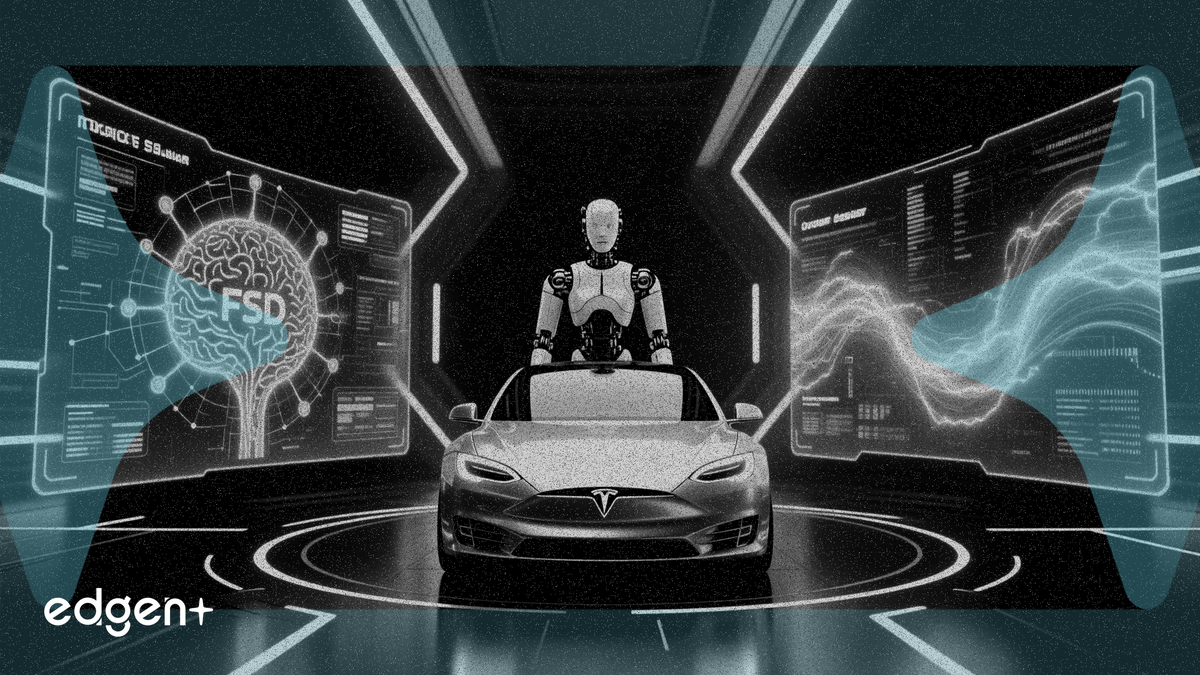
테슬라(Tesla Inc.)는 단순한 전기차 제조업체에서 AI 및 로봇 공학의 강자로 그 서사를 전환하고 있으며, 일론 머스크 CEO는 2026년 1분기 실적 발표 통화에서 향후 10년을 재정의할 수 있는 세 가지 핵심 분야의 진전을 설명했습니다. 이번 업데이트는 비감독 완전자율주행(FSD)의 고도화, 옵티머스 휴머노이드 로봇을 위한 신규 공장, 그리고 유가 상승으로 인한 수요 증대에 초점을 맞추고 있으며, 이는 핵심 자동차 사업이 역풍을 맞고 있는 상황에서 의도적인 전략적 피벗을 시사합니다.
일론 머스크는 통화에서 "우리는 차량, 에너지 및 AI 전반에 걸쳐 각 지역의 핵심 자재 및 부품에 대한 접근성을 보장하기 위해 필요한 투자를 하고 있다"며, 옵티머스 로봇을 포함한 미래 성장 이니셔티브를 위한 자본 지출의 대폭적인 증가를 강조했습니다.
머스크가 설명한 세 가지 주요 진전 사항에는 비감독 FSD를 향한 중대한 개선이 포함됩니다. 최근 댈러스와 휴스턴에서 비감독 로보택시 서비스를 출시한 후, 회사는 "법적으로 허용되는 모든 곳"에 이 기술을 출시하기 위해 노력하고 있습니다. 둘째로, 머스크는 2027년 생산 시작을 목표로 텍사스에 옵티머스 휴머노이드 로봇 전용 공장을 건설할 계획임을 확인했습니다. 마지막으로, 테슬라 CFO는 가스 가격 상승이 차량 주문 증가에 기여했으며, 이는 기존 EV 사업에 단기적인 순풍을 제공했다고 언급했습니다.
이러한 전략적 전환은 테슬라가 1분기 인도량 358,023대를 기록하며 애널리스트들의 예상치에 미치지 못하고 회사 역사상 최대 규모의 재고가 쌓인 가운데 나온 것입니다. 이 피벗은 테슬라의 미래를 자동차 판매보다는 고마진 소프트웨어 및 로봇 공학 중심으로 구성하고 있으며, 낙관론자들은 이것이 밸류에이션을 정당화할 수 있다고 믿는 반면, 회의론자들은 실질적인 매출 영향이 나타나기까지 수년이 걸릴 것으로 보고 있습니다.
전기차에서 AI 플랫폼으로
이번 실적 발표 통화는 투자자들이 기대해 온 전략적 피벗을 확고히 했습니다. 핵심 EV 사업의 수요 성숙 징후가 나타남에 따라, 테슬라는 장기적인 AI 기반 프로젝트에 투자자들의 관심을 집중시키고 있습니다. 전 테슬라 사장 존 맥닐(Jon McNeill)은 이를 머스크의 '초능력'이라고 묘사했습니다. 즉, 실존적 위협을 식별하고 저비용 제조 우위를 유지하기 위해 자율주행 및 로봇 공학 같은 게임 체인저 기술로 회사의 초점을 전환하는 능력입니다.
이 피벗은 단순한 이야기의 변화가 아닙니다. 이는 대규모 지출 증가로 뒷받침됩니다. 회사는 AI 컴퓨팅, 칩 개발 및 로봇 공학 분야의 이니셔티브를 지원하기 위해 2025년 자본 지출이 작년 85억 달러에서 가파르게 상승한 200억 달러를 초과할 수 있다고 전망했습니다. 이러한 지출은 테슬라의 잉여 현금 흐름을 마이너스 영역으로 밀어넣을 것으로 예상되며, 이는 야심찬 일정을 실행할 수 있는 능력에 대한 중대한 도박입니다.
자율주행과 로봇에 건 수조 달러의 베팅
자율주행에 대한 테슬라의 야망은 FSD 소프트웨어에 집중되어 있습니다. 모건 스탠리는 회사가 곧 FSD를 사용한 주행 거리 100억 마일을 돌파할 것으로 추정하고 있으며, 이는 추가적인 진전을 이끌어낼 핵심 데이터 이정표로 여겨집니다. 최근 텍사스에서 확장된 '비감독' 로보택시 서비스는 제한적이지만 투자자들에게 중요한 증거가 되고 있으며, BofA 증권은 로보택시 야망을 이유로 테슬라에 '매수' 등급을 부여하고 1조 달러 이상의 시장 진입 가능성을 언급했습니다.
자율주행과 더불어 옵티머스 로봇은 새로운 개척지를 상징합니다. 머스크는 옵티머스가 향후 테슬라의 가장 큰 제품이 될 것이라고 믿는다고 밝혔으며, 곧 테슬라 공장 내에서 유용한 작업을 수행하도록 하고 2026년 중반에 V3 로봇의 공개 시연을 가질 계획입니다. 전용 기가 텍사스 시설에서 2027년까지 생산을 시작하겠다는 계획은 이 새로운 벤처의 진지함을 강조합니다. 그러나 번스타인 애널리스트들은 칩 및 로봇 제조의 전체 구축에 5조 달러에서 13조 달러 사이의 자본이 필요할 것으로 추정하며, 이는 앞으로 닥칠 극심한 재정적 및 기술적 도전을 상기시킵니다.
투자자들에게 1분기 통화는 테슬라에 대한 두 가지 상충되는 견해를 명확히 했습니다. 하나는 성장이 둔화되고 마진 압박을 받으며 188배라는 높은 주가수익비율(P/E)로 거래되는 자동차 회사로 보는 시각입니다. 다른 하나는 거대한 '승자 독식' 시장 기회를 가진 AI 및 로봇 공학 플랫폼의 초기 단계로 보는 시각입니다. 애널리스트들의 목표 주가가 25달러 미만에서 600달러까지 광범위하게 분포되어 있는 가운데, 시장은 머스크의 피벗이 내러티브와 숫자 사이의 간극을 메울 수 있을지에 대해 깊이 분열되어 있습니다.
본 기사는 정보 제공만을 목적으로 하며 투자 조언을 구성하지 않습니다.