

Tesla became the first automaker to produce 10 million electric vehicles, a milestone powered by its Shanghai factory's record-breaking half-year output.
Tesla became the first automaker to produce 10 million electric vehicles, a milestone powered by its Shanghai factory's record-breaking half-year output.
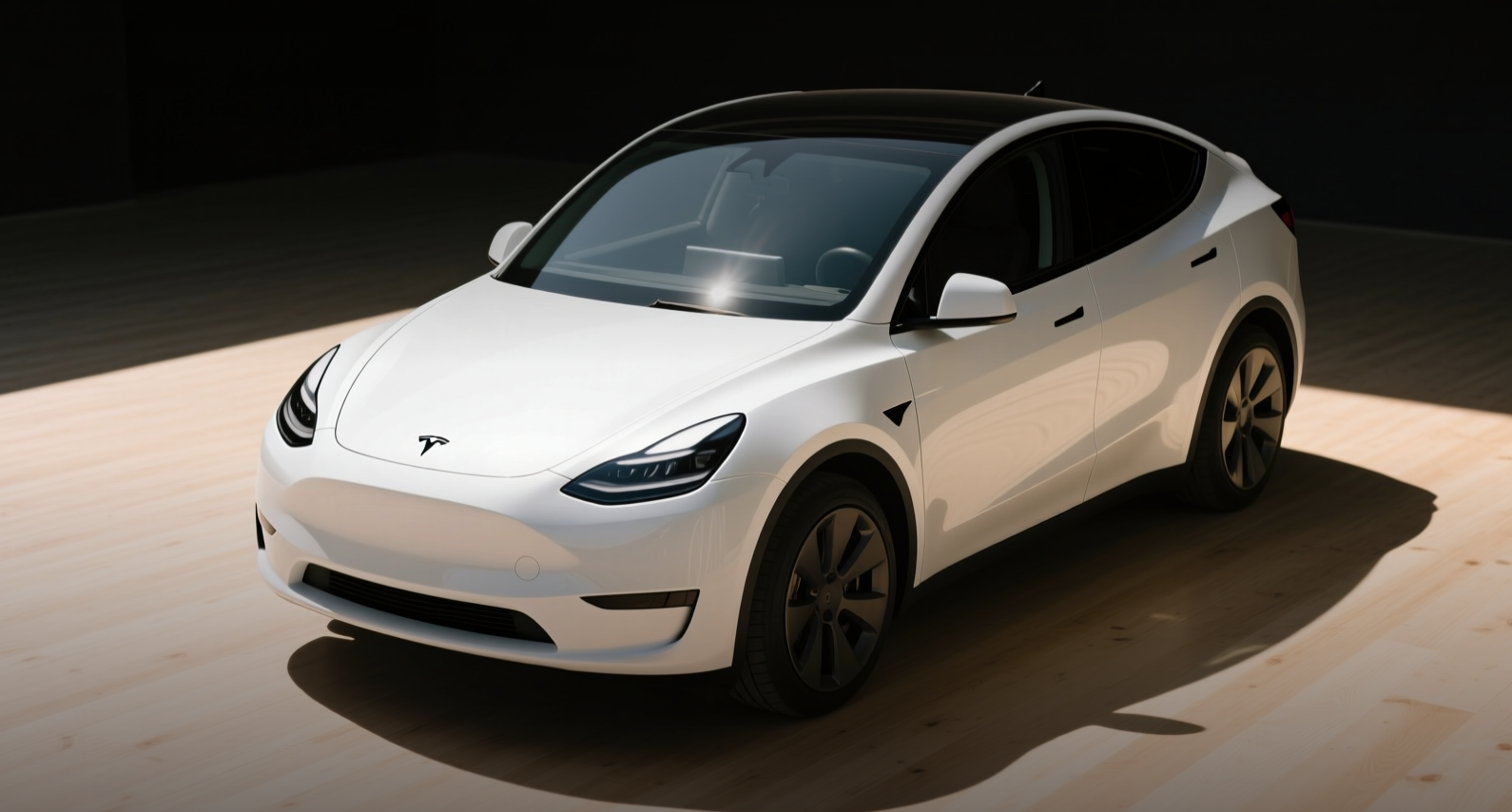
Tesla produced its 10 millionth electric vehicle on July 30 at its Fremont factory, becoming the first automaker to reach that threshold, the company said. The milestone comes 20 years after Tesla built its first Roadster prototype in 2006 and caps a period of rapid scaling: the first 1 million vehicles took 12 years, while the most recent 1 million took only a few months.
"Reaching 10 million vehicles in 20 years reflects the compounding effect of manufacturing scale and cost reduction," a Tesla spokesperson said. "Shanghai has been central to that — it's our highest-volume factory and the primary export hub."
Global deliveries in the first half of 2026 exceeded 830,000 vehicles, equivalent to one sale every nine seconds based on global store operating hours. Second-quarter deliveries surpassed 480,000, a record for the period. Tesla's order backlog at the end of the second quarter was the highest since 2023, showing sustained demand even as competition intensifies in China and Europe.
The Shanghai Gigafactory delivered about 468,000 vehicles in the first half, up 28.4% from a year earlier and accounting for more than half of Tesla's global deliveries. Since producing its first China-made Model 3 in December 2019, the factory has built over 4.5 million vehicles — more than 45% of Tesla's cumulative global output. It is now the company's largest export hub, supplying markets across Asia-Pacific and Europe.
Model Y and Model 3 dominate global EV sales
Tesla's two mass-market models continue to lead global electric vehicle sales by a wide margin. The Model Y sold 408,000 units worldwide from January through May, more than double the second-best-selling EV, according to CleanTechnica data. The Model 3 added 164,000 sales over the same period, ranking third globally.
The dominance highlights Tesla's advantage in manufacturing scale and battery cost, though rivals are closing the gap. BYD, Tesla's closest global competitor, delivered about 1.6 million passenger EVs in 2025 and has been expanding aggressively into Europe and Southeast Asia. BYD's Seagull, priced below $10,000 in China, has pressured Tesla's Model 3 and Model Y market share in the company's second-largest market. Xiaomi, which entered the EV market in 2024 with the SU7 sedan, delivered more than 130,000 vehicles in its first year and has announced plans for a second model.
Shanghai's role in Tesla's margin equation
Shanghai's contribution extends beyond volume. The factory's lower labor and supply chain costs have helped Tesla maintain automotive gross margins above 18% even as the company cut prices repeatedly since early 2023 to defend market share. By contrast, Tesla's Berlin and Austin factories have taken longer to reach volume production targets, making Shanghai the linchpin of the company's profitability.
Tesla shares have fallen near their 52-week low in recent sessions, reflecting broader concerns about EV demand and valuation. The company trades at about 55 times trailing earnings, a premium to traditional automakers but below its historical average. The production milestone and record backlog may provide a near-term boost for the stock, though analysts remain divided on whether Tesla can sustain growth as competition from BYD, Xiaomi, and legacy automakers like Ford and General Motors accelerates.
This article is for informational purposes only and does not constitute investment advice.
