

Taiwan Semiconductor Manufacturing shares surged 7.23% on June 19 as the Philadelphia Semiconductor Index hit an all-time record, extending a rally driven by AI infrastructure spending and a landmark Apple-Intel chip partnership.
Taiwan Semiconductor Manufacturing shares surged 7.23% on June 19 as the Philadelphia Semiconductor Index hit an all-time record, extending a rally driven by AI infrastructure spending and a landmark Apple-Intel chip partnership.
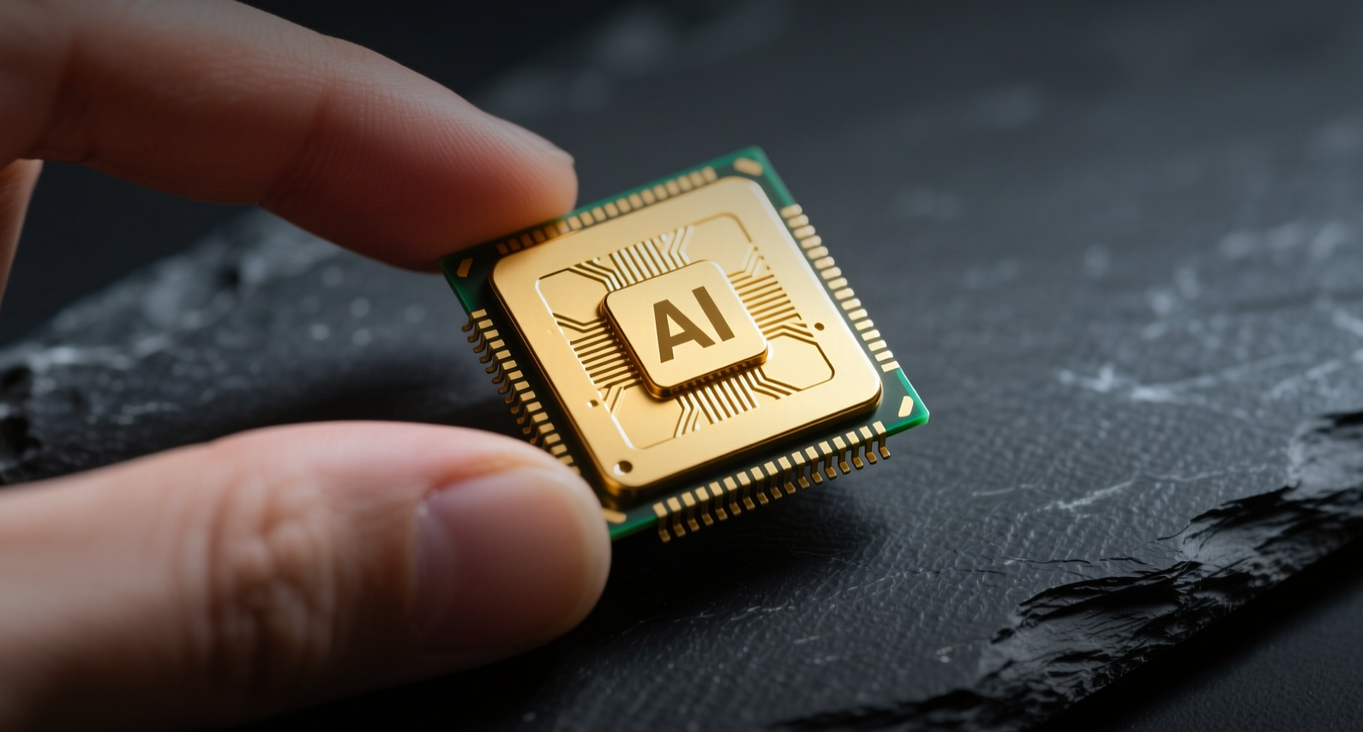
Taiwan Semiconductor Manufacturing Co. shares surged 7.23% on June 19, pushing the world's largest contract chipmaker's market capitalization past $2.45 trillion as the Philadelphia Semiconductor Index hit an all-time record, extending a rally fueled by AI infrastructure spending and a landmark Apple-Intel partnership.
"The entire semiconductor supply chain is catching a bid right now because AI data center demand is real and it's accelerating," said Rachel Kim, semiconductor analyst at Edgen. "TSMC sits at the center of that spending cycle — every major AI chip from Nvidia to AMD to Apple runs through its fabs."
TSMC closed at roughly $473 per share following the move, bringing its 52-week gain to more than 110%. The Philadelphia Semiconductor Index advanced more than 6% to a record, while Samsung and SK Hynix also hit all-time highs in Seoul trading. The global semiconductor market is projected to exceed $1.5 trillion in 2026, the first time it will break the $1 trillion threshold, driven entirely by AI infrastructure spending, according to industry data.
The rally came on the same day President Donald Trump announced that Apple would partner with Intel to design and manufacture chips domestically in the United States. While the Apple-Intel deal initially appears competitive to TSMC's foundry business, analysts said the announcement underscores the depth of chip demand rather than a threat to TSMC's dominance. Apple remains TSMC's largest customer for its most advanced processors, and Intel's foundry business still operates at a loss with years of scaling ahead.
TSMC's AI Revenue Trajectory Accelerates
TSMC's central role in AI-driven semiconductor demand has become the defining feature of its growth story. In its first-quarter 2026 earnings report, the company posted revenue of $35.9 billion, up 6.4% sequentially and exceeding its own guidance. Management reaffirmed roughly 30% revenue growth for the full year and raised its AI revenue growth outlook to a mid-to-high-50% compound annual growth rate through 2029.
The company's leadership in cutting-edge process nodes — including its 3nm and upcoming 2nm technology — remains undisputed. TSMC's advanced packaging technology, CoWoS (chip-on-wafer-on-substrate), is a critical bottleneck in the AI supply chain, with capacity sold out through 2027. Strategic steps to diversify manufacturing outside Taiwan, including new facilities in the US, Japan and Germany, further strengthen TSMC's position against geopolitical risk.
Sustainable Growth Advisers, in its first-quarter 2026 investor letter, called TSMC a top contributor to its Global Growth Strategy, noting that the company delivered margins "more resilient than feared" and that its "technology leadership, strong customer relationships, and disciplined execution" position it for strong double-digit revenue and earnings growth over the coming years.
What the Apple-Intel Deal Means for TSMC
The Apple-Intel partnership, while significant for Intel's foundry turnaround story, does not immediately threaten TSMC's position. Apple is using Intel's foundry services to manufacture chips that Apple designs — likely non-critical components rather than iPhone or Mac processors, according to analysts. The initial collaboration is expected to involve peripheral chips, with high-volume production of advanced processors years away.
Intel's foundry business has been positioned as America's answer to TSMC — a domestic, government-backed chip fabrication facility that reduces reliance on Asian supply chains. The Trump administration took a roughly 10% stake in Intel last year and committed billions to build or expand US factories. But TSMC's 20-year head start on process technology and its relationships with every major AI chip designer give it a moat that Intel cannot quickly replicate.
For investors, the calculus is straightforward. TSMC trades at roughly 20 times forward earnings, a discount to Nvidia's 35 times multiple, reflecting the geopolitical risk premium embedded in its Taiwan-based manufacturing footprint. The company's AI revenue growth outlook of 50%+ CAGR through 2029 implies a cumulative revenue opportunity measured in hundreds of billions of dollars. Taiwan's semiconductor equipment and components providers posted robust revenue growth through the first five months of 2026, with 34 of 43 tracked companies reporting positive accumulated year-on-year figures, according to industry data.
The risk to watch is execution on geographic diversification and the pace at which Intel's foundry business can scale. But for now, TSMC remains the indispensable supplier in a $1.5 trillion market that shows no signs of slowing.
This article is for informational purposes only and does not constitute investment advice.
