
주요 내용:
- 스웨덴, 그리펜 C/D 16대 기증 및 그리펜 E 최대 20대 판매
- 23억 7천만 달러 규모 패키지에는 미사일, 훈련 및 전자전 역량 포함
- 사브 주가 5.7% 상승, 이번 계약으로 생산 백로그 확대
주요 내용:
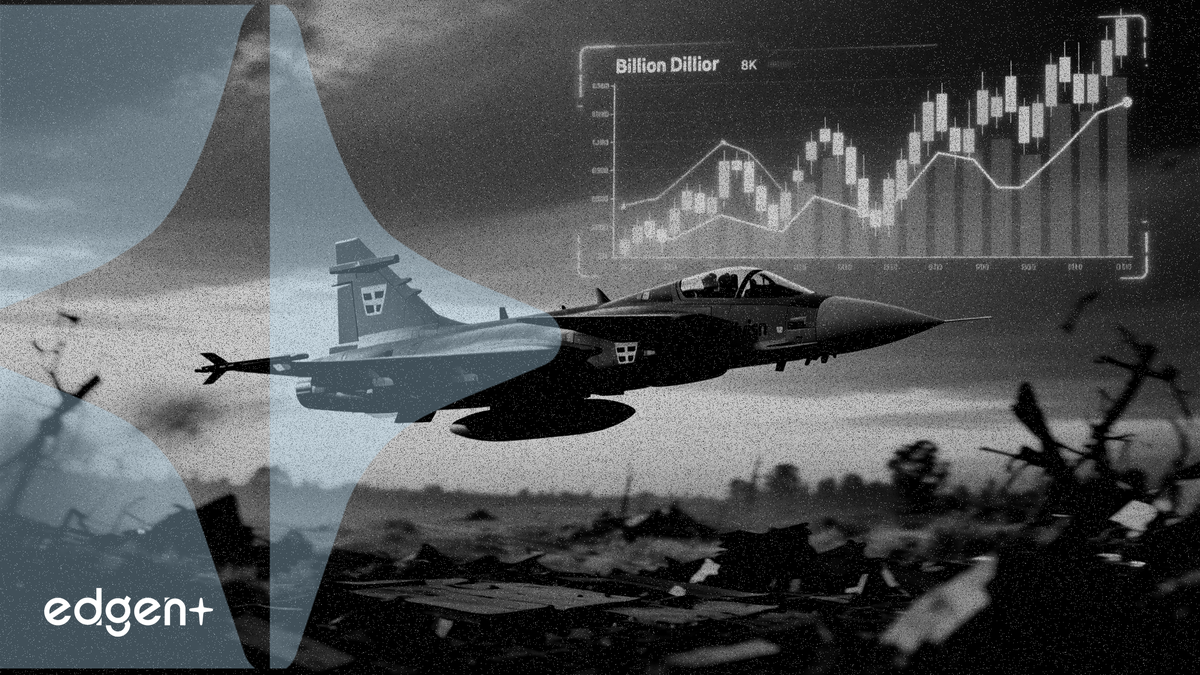
스웨덴이 우크라이나에 사브 그리펜 전투기 16대를 기증하고 최대 20대를 추가 판매한다. 이는 2022년 러시아 침공 이후 북유럽 국가의 단일 방위 공약으로는 최대 규모다.
울프 크리스테르손 총리와 볼로디미르 젤렌스키 대통령은 목요일 웁살라 공군 기지에서 가진 공동 기자회견을 통해 스웨덴이 우크라이나에 최대 36대의 사브 그리펜 전투기를 제공하기로 합의했다고 밝혔다. 이번 계약은 구형 C/D 모델 16대의 즉시 기증과 차세대 E/F 모델 최대 20대에 대한 구매 계약을 결합한 것이다.
"그리펜은 우크라이나에 가장 적합하고 최적의 선택입니다. 오늘 우리는 이 공동의 여정에서 다음 큰 발걸음을 내딛습니다"라고 크리스테르손 총리는 두 대의 그리펜 전투기가 전시된 가운데 열린 합동 기자회견에서 말했다.
항공기, 미사일 및 조종사 훈련을 포함한 기증 규모는 약 220억 스웨덴 크로나(약 23억 7천만 달러)로 평가되며, 전자전 역량, 혁신 지원 및 기타 조치에 30억 크로나가 추가 배정됐다. 우크라이나는 구매 전투기 자금을 마련하기 위해 유럽연합(EU)의 900억 유로 규모 우크라이나 지원 대출(수개월 간의 교착 끝에 4월 23일 승인)에서 약 25억 유로(29억 1천만 달러)를 할당할 계획이다. 사브 AB 주가는 스톡홀름 거래에서 5.7% 상승한 567.20 크로나를 기록하며 유럽 Stoxx 600 지수에서 가장 큰 상승폭을 보였다.
크리스테르손 총리는 이번 계약으로 전쟁 발발 이후 우크라이나에 대한 스웨덴의 총 군사 및 민간 원조 규모가 1,280억 크로나에 이르렀다고 밝혔다. 기증된 그리펜 C/D 항공기는 빠르면 내년부터 우크라이나 상공에서 전투 임무를 수행할 수 있으며, 신형 그리펜 E 모델의 인도는 2030년 이전으로 예상된다. 젤렌스키 대통령은 기자들에게 "우리는 150대 전투기를 모두 구매할 것"이라고 말하며, 지난해 체결된 최대 150대 항공기 조달을 구상한 양해각서를 언급했다.
그리펜이 우크라이나 공중전에 중요한 이유
우크라이나의 현재 서방 전투기 함대는 덴마크, 노르웨이, 네덜란드, 스웨덴으로부터 기증받은 약 37대의 록히드 마틴 F-16A/B와 프랑스로부터 제공받은 10대 미만의 다쏘 미라주 2000-5F로 구성돼 있다. 이들은 모두 1990년대 플랫폼으로, 우크라이나 공군 관계자들은 그리펜보다 우크라이나의 작전 환경에 덜 적합하다고 평가한다. 스웨덴 전투기는 짧은 활주로 운용, 신속한 지상 정비 및 NATO 경쟁 기종 대비 낮은 비행 시간당 비용으로 설계되어 일반 도로에서의 분산 배치가 가능하다.
기증되는 그리펜 C/D 모델은 200km(124마일) 이상의 사거리를 가진 미사일을 탑재하며, 젤렌스키 대통령은 이 미사일이 "러시아 항공기를 더 멀리 밀어내 유도 폭탄을 사용하지 못하도록 하는 데" 도움이 될 것이라고 말했다. 오픈소스 평가에 따르면 러시아 공군은 전체 항공기 수에서 우크라이나를 약 8대 1, 전투 작전에 적극 참여하는 항공기 기준으로는 약 4~5대 1로 압도한다.
사브의 생산 파이프라인과 교체 주기
사브는 스웨덴 공군이 주문한 60대의 그리펜 E 모델 중 5대를 인도했으며, 첫 인도는 2025년 10월에 시작됐다. 회사의 JAS 39E 연간 계획 생산량은 20~36대로 증가할 전망이다. 브라질은 라이선스 하에 그리펜 E/F를 현지 생산 중이며, 36대 주문 중 11대가 인도됐고, 콜롬비아와 태국이 각각 17대와 4대를 주문했다.
스웨덴은 우크라이나에 기증한 16대를 대체하기 위해 새로운 그리펜 항공기를 구매할 예정이며, 이는 사실상 사브의 주문 잔고를 확대하는 효과를 낳는다. "우리는 우크라이나의 그리펜 도입과 기증 항공기 교체를 위한 스웨덴 당국의 지원을 기대합니다"라고 사브의 미카엘 요한슨 최고경영자(CEO)는 말하며 "회사에 큰 날"이라고 평가했다. 사브는 아직 우크라이나 전투기에 대한 공식 계약이나 확정 주문을 받지 못했다고 밝혔다.
스웨덴이 비NATO 파트너국에 첨단 서방 전투기를 이전한 마지막 사례는 냉전 시대로, 당시 덴마크, 핀란드, 오스트리아에 사브 35 드라켄을 공급한 바 있다. 이번 계약은 북유럽 방위 태세의 구조적 전환을 의미하며, 2024년 3월 NATO에 가입한 스웨덴이 이제 러시아의 침략에 맞서 파트너 국가에 직접 무장을 지원하고 있다. NATO 회원국들의 국방비 지출 증가로 올해 유럽 방위 산업 전반이 강세를 보이고 있으며, Stoxx Europe Aerospace & Defense Index는 연초 대비 약 18% 상승했다.
본 기사는 정보 제공 목적으로만 작성되었으며 투자 조언을 구성하지 않습니다.
