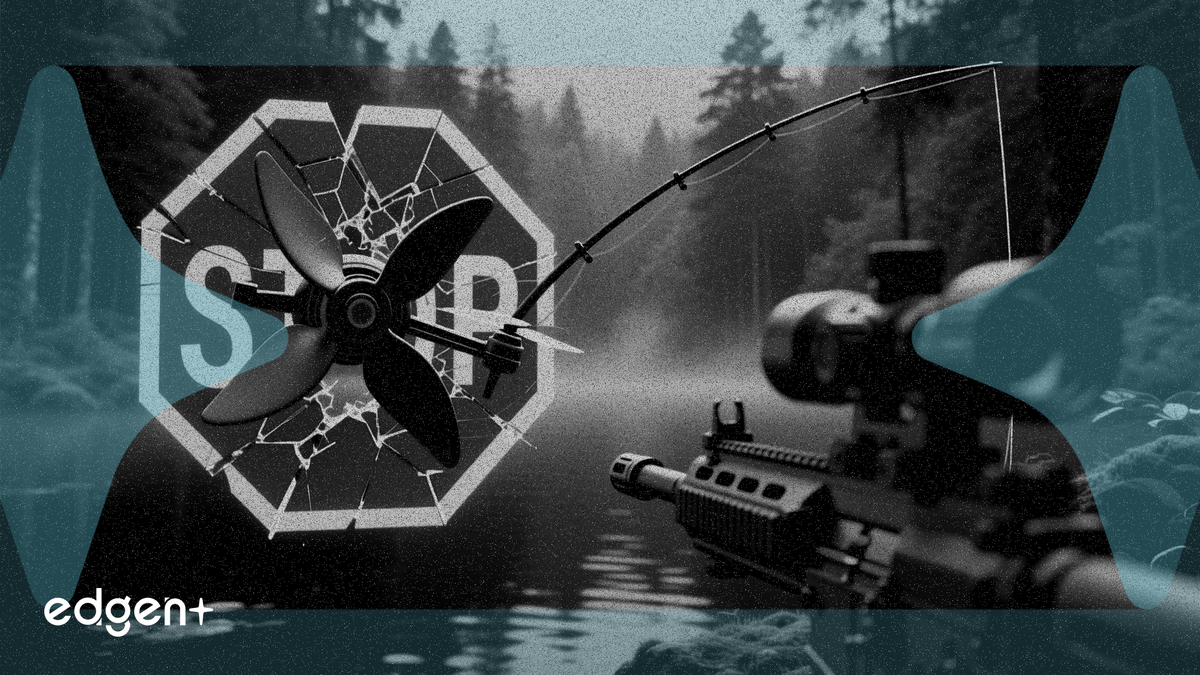
The proliferation of advanced electronics in outdoor sports is facing a regulatory backlash, as at least 7 states introduce rules targeting technologies that critics argue are eroding the principle of fair chase. New laws in states like Idaho and court battles in Wisconsin are restricting everything from forward-facing sonar that offers real-time fish tracking to drones and cellular-connected trail cameras that give hunters an unprecedented advantage.
“We’re about ethical hunting,” says Tony Schoonen, chief executive of the Boone and Crockett Club, a leading voice in the fair-chase movement. “And that argues for self-restraint by the hunter when it comes to technology.”
The new rules take various forms. Idaho’s House Bill 939, signed into law on April 2, bans transmitting trail cameras, drones, and thermal imaging for hunting big game on public lands from August 30 through December 31. In Mississippi, regulators recently reduced the daily crappie limit on four reservoirs from 15 to 10, citing pressure from the burgeoning use of FFS. Meanwhile, a federal judge in Wisconsin on May 1 blocked resolutions by the Lac du Flambeau Band of Lake Superior Chippewa that would have banned non-tribal members from using FFS and other methods for walleye and muskie fishing on 19 reservation lakes.
This regulatory patchwork creates uncertainty for anglers and hunters, and for manufacturers of the high-tech gear, such as Garmin, Lowrance, and Humminbird, which can cost over $6,000 for a single setup. The debate pits traditional sporting ethics against technological advancement, with potential sales impacts hinging on how many other states follow the regulatory trend.
Idaho Law Signals Broader Shift
Idaho’s new law is a key example of the push for restrictions. The legislation was a multi-year effort to address the rapid advancement of hunting technology. “Idaho was kind of the last state standing for a lot of this technology, in terms of being able to use thermals for big game,” said Nick Fasciano, executive director of the Idaho Wildlife Federation. The law includes exceptions for predator management and recovering wounded game, but Fasciano notes that enforcement will be a challenge.
Wisconsin Case Highlights Legal Fights
The conflict in Wisconsin highlights the complex legal and social dimensions. The Lac du Flambeau tribe declared a state of emergency for its fisheries, citing data showing “dangerously low Walleye and Muskellunge populations.” The tribe’s proposed ban on FFS and trolling for non-members was an attempt to protect the resource. However, the state sued, arguing the tribe was usurping state authority, leading to the temporary block by the court pending a full hearing on May 29, 2026.
Economic Disparity and Fair Chase
Beyond fair chase, a key concern is that expensive technology creates economic disparity. A high-end boat can carry over $50,000 in electronics, pricing out many participants. “Does this tech turn things into a rich man’s game? Because not everyone can afford that,” Fasciano said. This has led some private tournament organizers, like Texas-based Outlaw Outdoors, to ban FFS entirely to level the playing field for "true grassroots fishermen."
This article is for informational purposes only and does not constitute investment advice.