

SoftBank Group founder Masayoshi Son is wagering a record $65 billion on OpenAI, a bet that has already added $45 billion to his Vision Fund's portfolio and restored his status as Japan's wealthiest person.
SoftBank Group founder Masayoshi Son is wagering a record $65 billion on OpenAI, a bet that has already added $45 billion to his Vision Fund's portfolio and restored his status as Japan's wealthiest person.
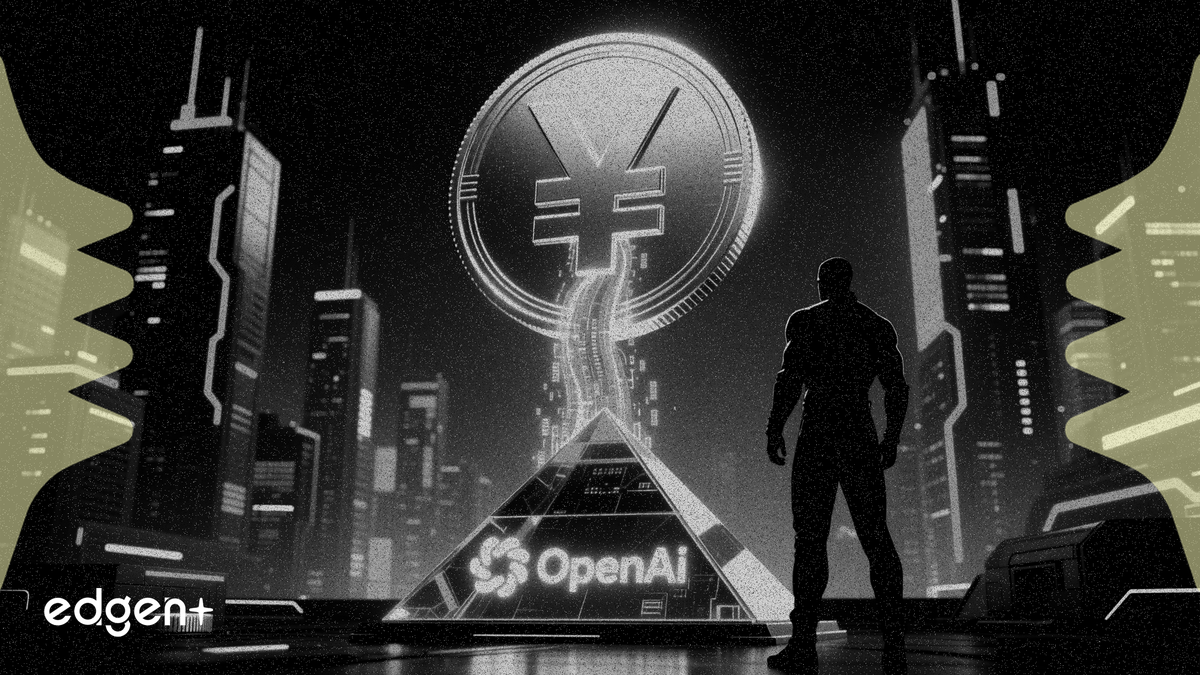
SoftBank Group founder Masayoshi Son is wagering a record $65 billion on OpenAI, a bet that has already added $45 billion to his Vision Fund's portfolio and restored his status as Japan's wealthiest person.
SoftBank Group's $65 billion bet on ChatGPT-maker OpenAI has propelled founder Masayoshi Son back to the top of Japan's rich list with a record $80 billion fortune, as the conglomerate's shares more than tripled on AI-fueled investor frenzy.
"OpenAI is a clear leader, with world-class technology and an unparalleled global user base," Son said in a February statement. "We have strong conviction in its continued growth."
SoftBank reported a record net profit of ¥5 trillion ($31 billion) for the year ended Mar. 31, a more than fourfold increase, on revenue of ¥7.8 trillion. The performance reflects a $45 billion cumulative gain on the Vision Fund's stake in OpenAI, which hit a valuation of $852 billion after a March funding round. Son's personal net worth surged 184% to $80 billion, surpassing Uniqlo billionaire Tadashi Yanai at $65 billion.
The wager carries significant risk. S&P Global in March downgraded SoftBank's outlook from "stable" to "negative," warning that the OpenAI bet could deteriorate the company's asset liquidity and financial capacity. SoftBank plans to scale its OpenAI holding to 13% by October, financed through loans and the sale of stakes in Nvidia and T-Mobile.
From AI Software to Physical Infrastructure
Son is not stopping at software. In May, SoftBank announced a €75 billion ($87 billion) investment in France to develop and operate AI data centers with a capacity of 5 gigawatts, with the first 3.1-gigawatt phase expected by 2031. The move aligns with Son's broader vision of "artificial superintelligence," a strategy that extends beyond large language models into physical AI and robotics. Son has said physical AI and robotics could give rise to the next trillion-dollar company, according to CNBC.
Barclays projects the humanoid robotics market will climb to $200 billion by 2035 from an estimated $2 billion to $3 billion today, describing the technology as "Automation 3.0" that could address structural labor shortages. Nvidia CEO Jensen Huang has said physical AI could ultimately represent a market worth tens of trillions of dollars, while OpenAI itself launched a dedicated robotics division in recent weeks.
The Risk-Reward Calculus for Investors
SoftBank shares have more than tripled over the past year, pricing in aggressive expectations for the OpenAI partnership. The company's record ¥5 trillion profit was driven almost entirely by unrealized gains on its Vision Fund portfolio, raising questions about earnings quality. S&P's negative outlook suggests the agency sees limited margin for error if OpenAI's growth trajectory falters or if SoftBank's debt-funded investment strategy faces higher financing costs.
For investors, the key question is whether SoftBank's concentrated bet on a single company can continue to deliver the returns that have driven its recent outperformance. The Nikkei 225 has risen nearly 70% since the last measurement of Japan's richest list, with AI-related stocks leading the rally. Chip-equipment maker Disco saw its shares more than double on surging AI demand, lifting the Sekiya family to No. 5 on the list with a $9.1 billion fortune.
This article is for informational purposes only and does not constitute investment advice.
