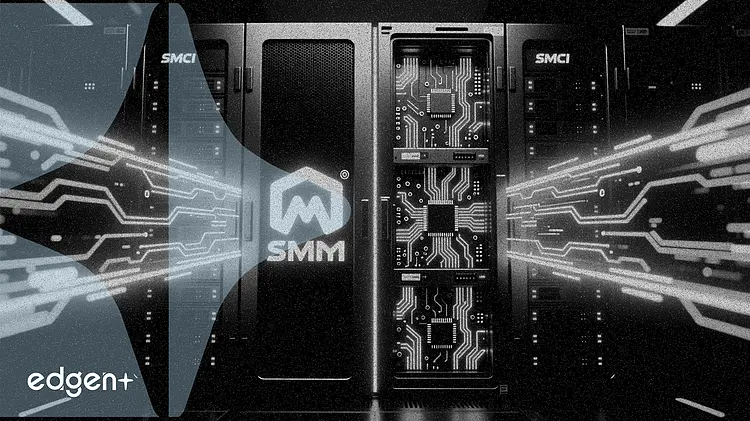
Super Micro Computer'ın yeni Arm AGI CPU sunucuları, raf başına 2 kattan fazla performans vaat ederek kurumsal AI veri merkezlerinin ekonomisini yeniden şekillendirme potansiyeli taşıyor.
Super Micro Computer Inc. Salı günü, Arm Holdings'in yeni AGI CPU'su etrafında inşa edilen raf ölçeğinde AI sunucularını tanıtarak, raf başına 2 kattan fazla performans ve gigawatt AI kapasitesi başına 10 milyar dolara varan potansiyel sermaye harcaması tasarrufu sağladığını iddia etti. Computex 2026'da Taipei'de yapılan duyuru, SMCI hisselerinin piyasa öncesi işlemlerde %4,6 yükselmesine neden oldu.
"Supermicro, performansı ve verimliliği maksimize eden yeni ve yenilikçi raf ölçeğindeki çözümleri dağıtma konusunda sektöre liderlik etmeye devam ediyor," dedi Supermicro'nun CEO'su Charles Liang. Şirketin Veri Merkezi Yapı Taşı Çözümleri teknoloji yığını, Arm AGI CPU mikro mimarisiyle birleştiğinde, işletmelerin aracı AI altyapı yatırımlarında önemli ölçüde toplam sahip olma maliyeti tasarrufu elde etmelerine yardımcı oluyor.
Arm AGI CPU, çekirdek başına 6 GB bellek bant genişliği ve düğüm başına 6 TB'a kadar DDR5-8800 RDIMM desteği sunan 136 çekirdekli bir mikro mimariye sahip. Tek bir hava soğutmalı raf, 6.000'den fazla çekirdeği destekleyebilirken, şirketin OCP ORW raf konfigürasyonu 48U form faktöründe 336 Arm AGI CPU ve 45.696 çekirdeği barındırıyor. Supermicro beş sunucu modeli tanıttı: bulut ve bellek yoğun iş yükleri için 2U Hyper sunucu, sekize kadar çift genişlikli GPU'yu destekleyen 5U GPU sunucu, OCP ortamları için 2U4N sıvı soğutmalı sunucu, 2U Hyper-E uç sunucu ve maksimum bilgi işlem yoğunluğu için 1U 4N konfigürasyonu. Arm, geleneksel mimarilere karşı 2 kat performans karşılaştırması için test koşullarını açıklamadı.
Ortaklık, Supermicro'yu hızla büyüyen kurumsal AI altyapı pazarında daha büyük bir pay kapmaya konumlandırıyor; bu pazarda hiper ölçekleyiciler ve bulut sağlayıcıları enerji verimli bilgi işlem dağıtmak için yarışıyor. SMCI hisseleri yılbaşından bu yana %100'ün üzerinde değer kazanarak daha geniş Zacks Bilgisayar ve Teknoloji sektörünün %17,5'lik kazancını geride bıraktı. Şirket, yakın zamanda iş açısından kritik iş yükleri için Compute Scale-up Server 3250'yi piyasaya süren Hewlett Packard Enterprise ve yine Computex'te duyurulan kendi AMD tabanlı Helios platformuyla rekabet ediyor. Ancak Arm ortaklığı, veri merkezi verimliliği savaşında, ham bilgi işlem gücü yerine watt başına performansa öncelik veren işletmeleri hedef alan yeni bir cephe açıyor.
Yeni sunucular, otonom kararlar alabilen ve dağıtık altyapı genelinde binlerce paralel görevi yönetebilen sistemler olan aracı AI iş yüklerini hedefliyor. Arm'ın bulut AI iş birimi başkan yardımcısı Mohamed Awad, Arm AGI CPU'larının Supermicro'nun raf ölçeğindeki uzmanlığıyla birleşiminin "daha yüksek AI verimi, maksimum bilgi işlem yoğunluğu ve ölçekte iyileştirilmiş veri merkezi ekonomisi" sağladığını söyledi.
Supermicro'nun zamanlaması, enerji verimli AI altyapısına yönelik daha geniş bir sektör dönüşümüyle örtüşüyor. Veri merkezi güç ve soğutma ekipmanı sağlayıcısı Vertiv, Amerika'da %44 ve Asya-Pasifik'te %12'lik birinci çeyrek organik satış büyümesi bildirdi; bu, veri merkezi inşaatlarına yönelik artan talebi yansıtıyor. Vertiv, tam yıl için Amerika'da yüksek %30'lar ve Asya-Pasifik'te orta %20'ler seviyesinde organik büyüme bekliyor.
Yatırımcılar için soru, Supermicro'nun güçlü rakipleri karşısında ivmesini koruyup koruyamayacağı. Şirketin hisseleri, ileriye dönük kazançların kabaca 25 katından işlem görüyor ve bu, daha geniş teknoloji sektörüne kıyasla bir prim anlamına geliyor; bu da AI altyapı harcamalarının yüksek kalacağı beklentilerini yansıtıyor. Supermicro, ikinci çeyrek gelirini 3,25 milyar ila 3,45 milyar dolar aralığında, yani %20 ila %24 organik büyüme olarak öngördü. Arm tabanlı ürün grubu, şirkete hiper ölçekleyicilerin güç kısıtlamalarını ve toplam sahip olma maliyetini yönetmek için geleneksel x86 mimarilerine giderek daha fazla alternatif aradığı bir pazarda farklılaştırılmış bir teklif sunuyor.
Bu makale yalnızca bilgilendirme amaçlıdır ve yatırım tavsiyesi niteliği taşımaz.