


AI data centers are replacing copper with light as clusters of 100,000-plus processors push electrical wiring past its physical limits.
AI data centers are replacing copper with light as clusters of 100,000-plus processors push electrical wiring past its physical limits.
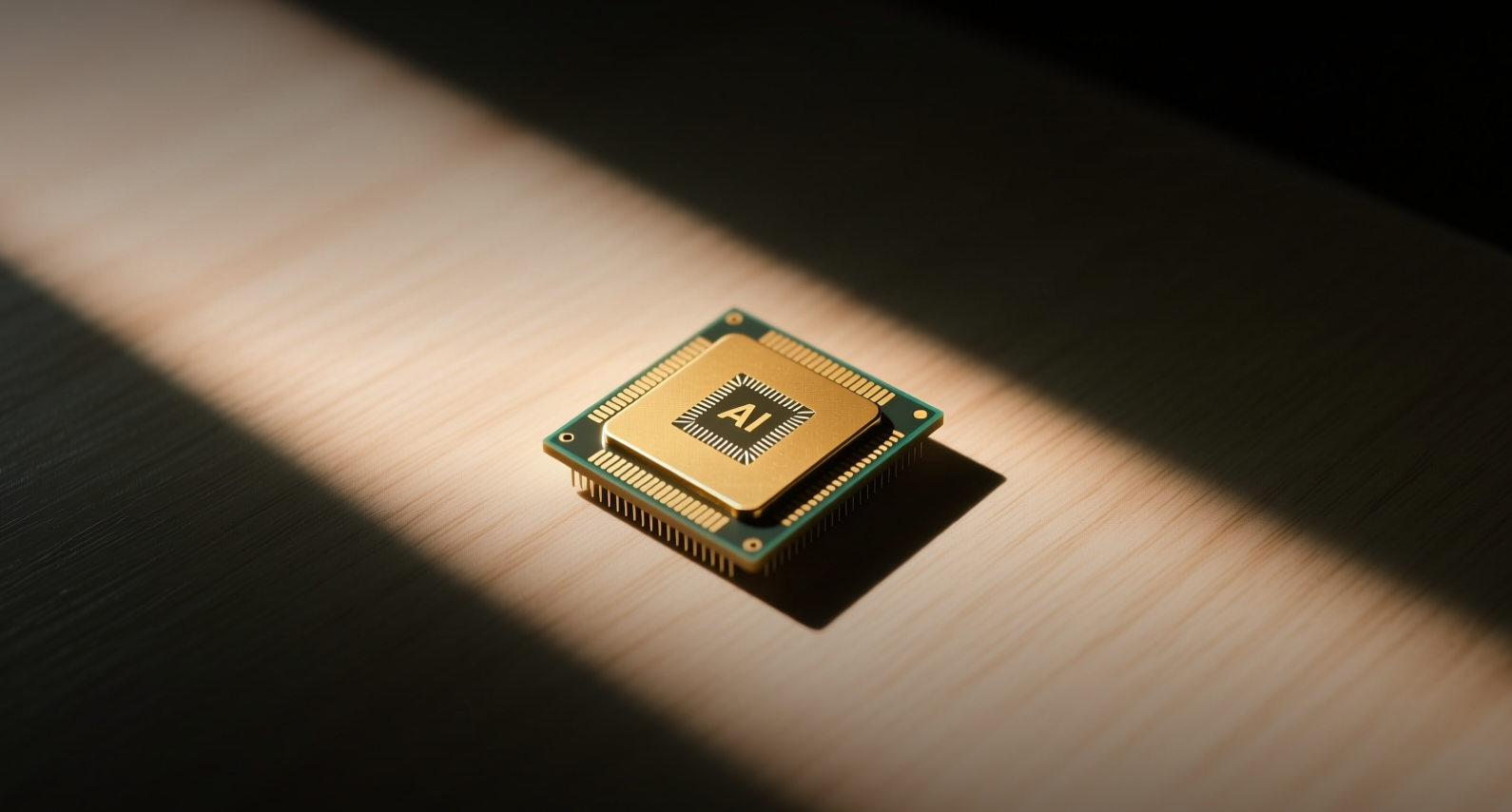
The optical transceiver market is projected to jump about 60% to roughly $26 billion in 2026 as AI clusters swell past 100,000 processors, pushing copper wiring past its physical limits and accelerating adoption of silicon photonics.
"At the blistering signaling speeds these systems now demand, a passive copper cable can only carry a clean signal for less than a meter before it degrades," according to engineers working on the transition. The bottleneck, which the industry calls the "copper wall," forces operators to pump in more electrical power just to keep data intact, generating heat and driving up energy costs.
Silicon photonics solves the problem by sending information as pulses of light through fiber instead of electrons through metal. The cutting edge of this shift is co-packaged optics, where optical components are built directly next to the switch chip rather than plugged in at the edge of the box. That integration slashes power lost in translation and packs more bandwidth into the same space. The broader optical transceiver market is projected to reach about $26 billion in 2026, a roughly 60% jump from the prior year, according to industry estimates.
Two companies stand as the clearest beneficiaries. Coherent (COHR) is a global leader in optical technology feeding AI data centers, with demand for its datacenter transceivers surging as cloud giants build out. It has deepened a partnership with Nvidia to develop next-generation silicon photonics. Lumentum (LITE) supplies the lasers and optical components that power data center networking and has been expanding capacity to meet demand that has outpaced supply. Both stocks have run up on AI enthusiasm — Coherent has gained 183% over the past year, while Lumentum has surged 609% — leaving valuations with little room for disappointment.
Why Copper Hit a Wall
To train a modern AI model, thousands of chips must act like one enormous brain, constantly shuttling vast amounts of data among them. The more chips added, the more traffic flows across the wires linking them. At the signaling speeds these systems demand, a passive copper cable can only carry a clean signal for less than a meter before it degrades. In a warehouse-sized cluster stretching across rows of racks, that becomes a hard physical ceiling.
Silicon photonics breaks through that ceiling by using light instead of electricity. Light travels farther, carries more data, and uses less power over distance — exactly what a giant AI cluster needs. Teradyne (TER), the test equipment maker, launched the Photon 100 in March 2026, an integrated opto-electric test platform built on its UltraFLEXplus system specifically for silicon photonics and co-packaged optics manufacturing. The company expects the silicon photonics test equipment market to reach $300 million to $700 million annually over the midterm.
The Investment Case for Optical Components
Coherent and Lumentum are not sleepy blue chips. Optical component makers are cyclical and lumpy, with fortunes tied to a handful of huge customers whose orders can swing hard from quarter to quarter. Coherent trades at roughly 31 times forward earnings, Lumentum at about 43 times. Both have pulled back sharply in the past month — Coherent down 28%, Lumentum down 19% — as the market reassesses valuations after a year of extraordinary gains.
The KraneShares Photonic and Optical ETF (LUMA), which began trading in July 2026, offers a diversified basket of these names at a 0.64% net expense ratio. The fund holds positions in Lumentum, Coherent, Tower Semiconductor and MACOM, among others. It has already dropped nearly 7% across its first two trading days.
For investors, the move from copper to light is not a question of if but when. Silicon photonics is a physical necessity as AI clusters keep growing. Coherent and Lumentum offer two focused ways to play that transition, though their cyclical nature and premium valuations demand careful position sizing.
This article is for informational purposes only and does not constitute investment advice.
