
SEC의 5개년 로드맵은 디지털 자산을 규제 우선순위로 공식화하며, SEC와 CFTC 간 10년에 걸친 관할권 갈등을 종식시키려는 CLARITY Act의 추진과 궤를 같이한다.
SEC의 5개년 로드맵은 디지털 자산을 규제 우선순위로 공식화하며, SEC와 CFTC 간 10년에 걸친 관할권 갈등을 종식시키려는 CLARITY Act의 추진과 궤를 같이한다.
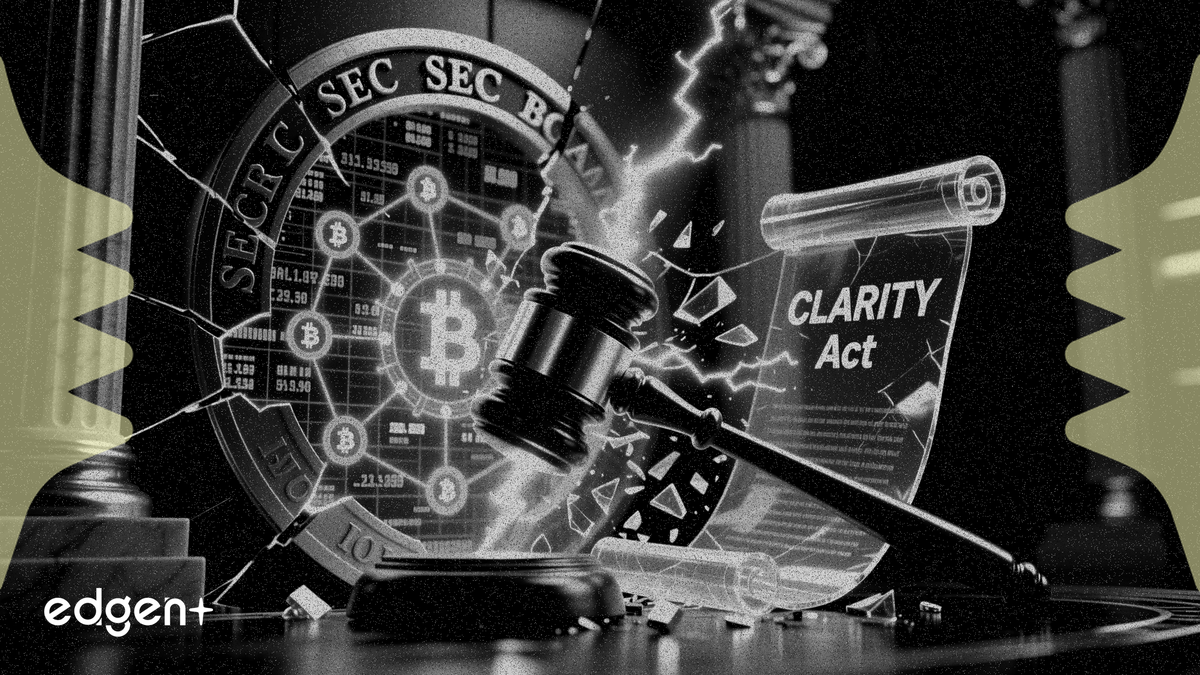
미국 증권거래위원회(SEC)가 2030년까지 디지털 자산을 전략적 우선순위로 격상하고, 보다 명확한 암호화폐 규제, 토큰화 지원, 스테이킹 및 수탁 서비스를 위한 프레임워크를 촉구했다.
"블록체인과 암호화폐 자산 기술은 미국의 금융 인프라에 혁명을 일으킬 잠재력을 지니고 있다"고 SEC는 화요일 발표된 2026~2030 회계연도 전략계획 초안에서 밝혔다.
이 계획은 디지털 자산과 분산원장기술(DLT)에 단일 목표를 전면 할애하며, 암호화폐의 성장이 기존 규제를 앞질렀음을 인정했다. 또한 "합리적이고 일관되며 원칙에 기반한 접근법"을 통해 SEC와 상품선물거래위원회(CFTC) 간 관할권 경계를 명확히 하는 것을 포함한 확고한 규제 기반을 마련할 것을 요구했다. 이는 현재 상원에 계류 중인 디지털 자산 시장 명확성법(CLARITY Act)의 핵심 쟁점이다.
CLARITY Act는 지난 5월 14일 상원 은행위원회에서 15대9의 초당적 표결로 통과됐으며, 디지털 자산의 분류를 연방법에 영구히 명문화하여 향후 어떤 SEC 위원장도 현재의 행정 지침을 번복할 수 없도록 할 예정이다. 백악관은 7월 4일 서명을 목표로 하고 있으며, JP모건은 해당 법안의 통과를 전체 암호화폐 시장의 "긍정적 촉매제"로 평가했다.
SEC의 전략계획은 수탁, 거래 및 스테이킹 서비스를 언급하며, 이들이 "중복되거나 상충되는 규제 요건 없이 적절한 감독" 하에 운영되어야 한다고 밝혔다. SEC는 또한 토큰화된 증권 발행과 온체인 금융 인프라를 규정을 준수하는 자본 형성을 지원할 영역으로 강조했다.
두 기관은 이미 협력 강화를 위한 조치를 취했다. 지난 3월 SEC와 CFTC는 신흥 기술이 금융 시장을 재편함에 따라 협력 및 정보 공유를 강화하기 위한 양해각서(MOU)를 체결했다.
CLARITY Act, SEC-CFTC 분할 구도를 해소할 것
CLARITY Act는 모든 디지털 자산을 세 가지 법적 범주로 분류한다. CFTC 관할의 디지털 상품, SEC 관할의 투자계약 자산, 그리고 은행 규제 기관 관할의 결제용 스테이블코인이다. SEC와 CFTC는 지난 3월 17일 비트코인과 기타 15개 자산을 디지털 상품으로 공동 분류했지만, 이 행정 지침은 향후 행정부에 의해 번복될 수 있다. CLARITY Act는 이러한 분류를 법률에 영구히 명문화할 것이다.
신시아 루미스 상원의원은 지난 4월 해당 법안이 11월 중간선거 전에 의회를 통과하지 못할 경우, 최소 2030년까지는 실질적인 기회를 다시 얻지 못할 것이라고 경고했다. Polymarket은 2026년 통과 확률을 59%로 보고 있다. 이 법안은 상원 필리버스터를 막기 위해 60표의 찬성이 필요하며, 이후 하원과의 조정 및 대통령 서명을 거쳐야 한다.
폴 앳킨스 SEC 위원장은 강제 집행( enforcement-first) 시대는 "끝났다"며 트럼프 행정부 하에서 의회와 함께 시장 전반의 명확성을 제공하겠다고 약속했다. 트럼프 대통령은 Truth Social 게시물에서 미국을 "세계의 암호화폐 수도"라고 부르며 CLARITY Act에 대한 조직적인 지지 물결을 촉발했다.
시장에 미치는 영향
CLARITY Act가 법으로 제정되면 연기금, 국부펀드 및 대형 자산운용사들은 디지털 자산에 배분할 수 있는 법적 근거를 확보하게 되어, 기관 자본을 시장 밖에 머물게 했던 규정 준수 장벽이 제거된다. JP모건 애널리스트들은 이 법안이 전체 알트코인 ETF 파이프라인을 가속화하는 발전으로, SEC가 솔라나, 아발란체, 카르다노 현물 ETF를 승인할 명확한 법적 근거를 제공한다고 평가했다.
스탠다드차타드는 법안 통과 시 XRP ETF에 40억~80억 달러의 신규 유입이 발생할 것으로 전망했다. XRP 레저에는 이미 35억 달러 이상의 토큰화된 실물자산(RWA)이 호스팅되어 있으며, JP모건, 마스터카드, 온도 파이낸스는 2026년 5월 XRP 레저에서 토큰화된 미국 재무부 채권 결제를 완료했다.
만약 법안이 7월 4일 시한을 놓치거나 완전히 실패할 경우, 루미스 의원은 미국 소프트웨어 개발자들이 단순히 코드를 게시했다는 이유만으로 기소되는 "규제 암흑기"로의 추락을 경고했다. 비트코인은 투표 후 반등했던 8만2000달러를 반납하고 7만3400달러 부근에서 거래되고 있으며, 7만 달러 지지선을 테스트할 가능성이 있다. 반면 XRP는 1.34달러에서 1.10~1.20달러 범위로 되돌림될 수 있다.
이 기사는 정보 제공 목적으로만 작성되었으며 투자 조언을 구성하지 않습니다.
