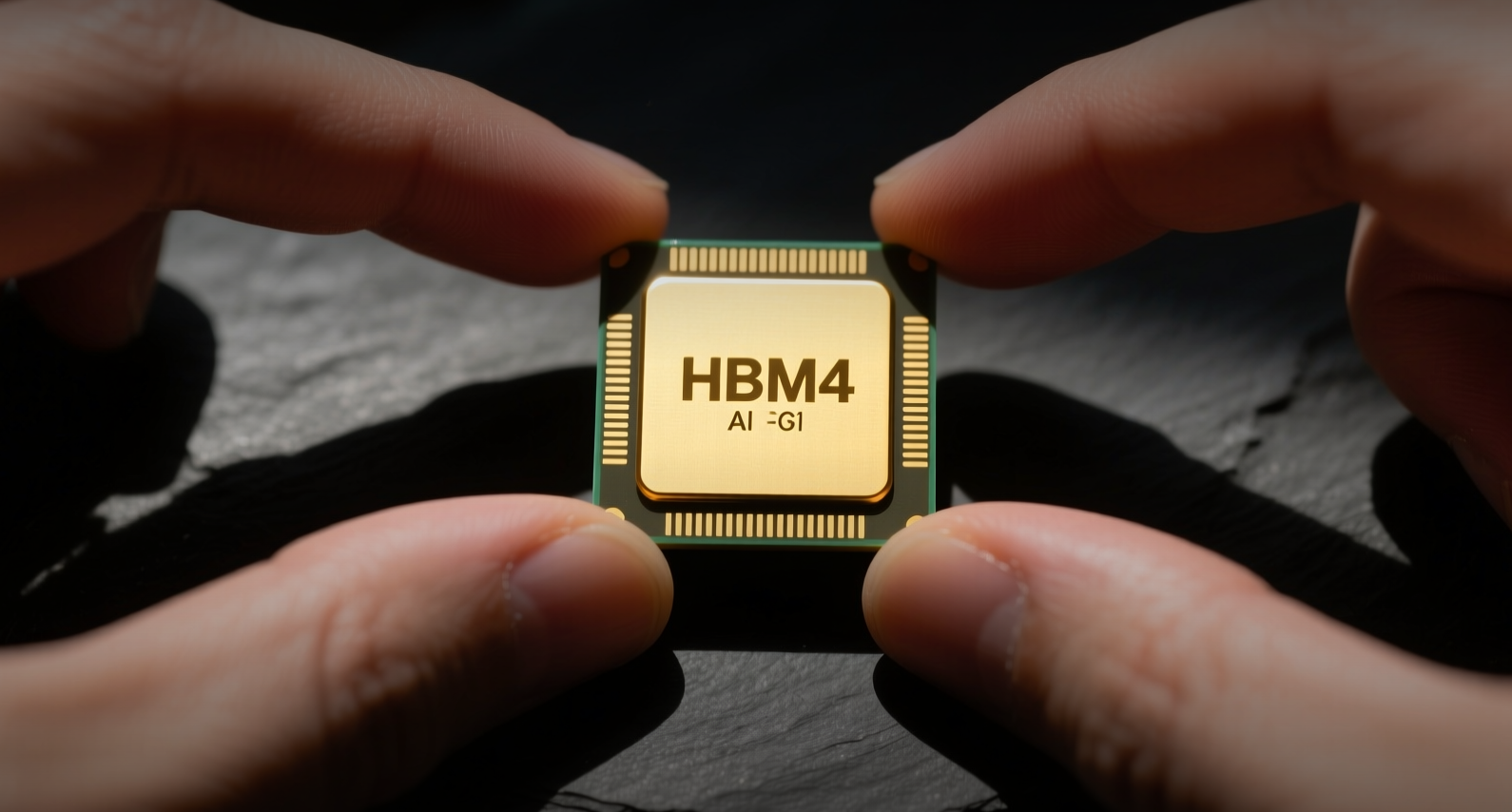
Samsung Electronics Co.'s HBM4 chips surpassed $1 billion in cumulative sales just four months after the company began mass production in February, as AI infrastructure demand outstrips available supply.
"Current demand satisfaction rates are at historic lows, with available supply far from meeting customer needs," Samsung management said during the company's first-quarter earnings call in April.
Samsung shipped the first HBM4 units on Feb. 12 from its Cheonan campus in South Chungcheong Province, becoming the first company globally to commercialize the sixth-generation high-bandwidth memory standard. The chips are designed for Nvidia Corp.'s Vera Rubin platform and Advanced Micro Devices Inc.'s MI450 accelerators. Bernstein's analysis of South Korean trade data shows Samsung's HBM shipments from the province surged 79% month over month in May, with a 30% jump in the "value per weight" metric — a proxy the research firm uses to signal a product mix shift toward higher-priced HBM4 units.
All of Samsung's current HBM4 capacity is fully booked and sold out, the company said. It expects HBM4 to account for more than half of total HBM revenue starting in the third quarter, a transition that could reshape the competitive balance in a market where rival SK Hynix Inc. briefly surpassed Samsung in market capitalization this week for the first time since 2000.
Supply Tightens as Hyperscalers Lock In Multi-Year Deals
Samsung is pursuing multiyear supply contracts with hyperscale cloud operators, moving away from the short-term agreements that have historically characterized the memory market. The shift reflects urgency among cloud providers to secure guaranteed allocations of HBM4, which is essential for training and running next-generation large language models. Samsung's cumulative HBM4 revenue is expected to exceed $1.2 billion by the end of June, according to industry sources cited by Yonhap News.
The supply crunch extends beyond HBM. Samsung posted record quarterly revenue of 133.9 trillion won ($103.5 billion) in the first quarter, with operating profit surging 756% year over year to 57.23 trillion won. The company forecasts the supply-demand gap for memory will widen further in 2027 based on current booking demand alone.
Profit Inversion Creates a Strategic Dilemma
Samsung faces an unusual dynamic: traditional DRAM currently generates higher profit margins than HBM products. The company attributed the inversion to different pricing mechanisms — HBM prices are locked annually while conventional DRAM is renegotiated quarterly, and spot DRAM prices have risen sharply in recent quarters.
Despite the margin gap, Samsung said it will not shift capacity away from HBM to chase short-term DRAM profits, arguing that doing so "could constrain the buildout of AI infrastructure itself." The company expects the margin differential to narrow significantly by 2027 as inference services and AI agents drive broader adoption.
Samsung has already begun sampling HBM4e, an enhanced version of the sixth-generation standard, to customers in the second quarter. The accelerated product cadence puts pressure on SK Hynix and Micron Technology Inc. to match Samsung's timeline. SK Hynix shares have surged more than 340% year to date, while Samsung has gained about 200%, reflecting investor preference for the company that has dominated HBM3E supply to Nvidia. Samsung's HBM4 ramp could begin to close that valuation gap.
This article is for informational purposes only and does not constitute investment advice.