
Sự bế tắc về lợi nhuận từ AI tại nhà sản xuất chip nhớ lớn nhất thế giới có nguy cơ gây ra sự gián đoạn hàng tỷ đô la cho chuỗi cung ứng công nghệ toàn cầu.
Sự bế tắc về lợi nhuận từ AI tại nhà sản xuất chip nhớ lớn nhất thế giới có nguy cơ gây ra sự gián đoạn hàng tỷ đô la cho chuỗi cung ứng công nghệ toàn cầu.
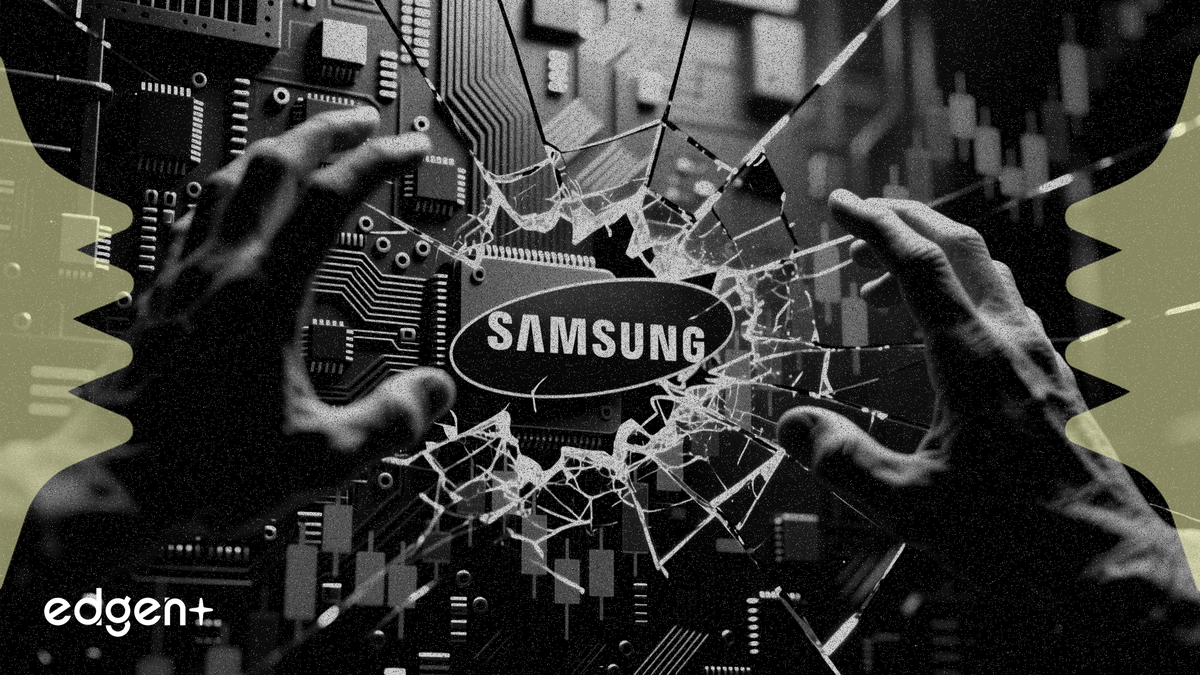
(P1) Samsung Electronics Co. đã chứng kiến 66 tỷ USD bị xóa sạch khỏi giá trị thị trường sau khi các cuộc đàm phán lương vào phút chót với công đoàn thất bại vào cuối ngày 12 tháng 5, dọn đường cho một cuộc đình công 18 ngày tiềm tàng có thể làm tê liệt sản lượng bán dẫn của hãng.
(P2) "Hai bên đã không thể thu hẹp khác biệt và đã chờ đợi đề xuất hòa giải của chính phủ, nhưng các cuộc đàm phán chỉ càng trở nên tồi tệ hơn," Choi Seung-ho, lãnh đạo công đoàn, cho biết trong một tuyên bố.
(P3) Tranh chấp tập trung vào cách chia sẻ lợi nhuận từ sự bùng nổ AI gần đây. Công đoàn yêu cầu 15% lợi nhuận hoạt động được phân bổ cho tiền thưởng hiệu suất, được chính thức hóa trong hợp đồng lao động để cải thiện tính minh bạch. Ban quản lý vẫn kiên định với mức đề nghị 10%, lập luận rằng yêu cầu của công đoàn sẽ làm suy yếu đầu tư trong tương lai và quá cứng nhắc so với hệ thống liên kết với hiệu suất của họ. Sự bế tắc này trái ngược với đối thủ SK Hynix Inc., công ty năm ngoái đã đồng ý với cấu trúc tiền thưởng chia sẻ lợi nhuận tương tự.
(P4) Rủi ro đối với Samsung và nền kinh tế toàn cầu là vô cùng lớn. Một cuộc rời bỏ công việc kéo dài của hơn 40.000 thành viên công đoàn, chủ yếu từ bộ phận sản xuất chip quan trọng, có thể dẫn đến thiệt hại 1 nghìn tỷ won (khoảng 671 triệu USD) mỗi ngày. Sự gián đoạn như vậy đe dọa vị thế của Samsung trên thị trường và có thể buộc các khách hàng chính như Nvidia Corp. phải tìm nơi khác, tạo ra sự bất ổn trong chuỗi cung ứng bán dẫn vào thời điểm quan trọng đối với ngành AI.
Samsung không thụ động chờ đợi cuộc đình công bắt đầu. Công ty đã nộp đơn xin lệnh tạm dừng lên Tòa án Quận Suwon để cấm các hành động lao động đã lên kế hoạch, với quyết định dự kiến vào ngày 20 tháng 5, chỉ một ngày trước khi cuộc đình công bắt đầu. Thử thách pháp lý dựa trên luật lao động Hàn Quốc cấm các công đoàn dừng các công việc cần thiết để bảo vệ thiết bị khỏi hư hại. Với tính chất tinh vi, liên tục của việc chế tạo chất bán dẫn, Samsung lập luận rằng một cuộc đình công toàn diện sẽ gây ra tác hại không thể khắc phục.
Một tiền lệ gần đây đã được thiết lập khi một tòa án chấp thuận một phần yêu cầu lệnh tạm dừng tương tự từ công ty liên kết Samsung Biologics. Mặc dù tòa án không cấm hoàn toàn cuộc đình công, nhưng nó đã hạn chế các hành động trong các giai đoạn sản xuất quan trọng. Các nhà quan sát ngành kỳ vọng một phán quyết tương tự cho Samsung Electronics, điều này sẽ không ngăn cản một cuộc đình công nhưng có thể giới hạn phạm vi của nó, buộc công đoàn vào một hành động làm việc giảm bớt trong khi nhân viên thiết yếu duy trì các nhà máy.
Sự can thiệp tiềm năng thứ hai có thể đến từ chính chính phủ Hàn Quốc. Bộ trưởng lao động có thẩm quyền viện dẫn một "điều chỉnh khẩn cấp hành động công nghiệp", một biện pháp có thể đình chỉ một cuộc đình công trong 30 ngày nếu nó được coi là mối đe dọa đối với nền kinh tế quốc gia. Với việc chất bán dẫn chiếm 38% tổng kim ngạch xuất khẩu của Hàn Quốc, một cuộc đình công tại công ty điện tử hàng đầu quốc gia rõ ràng đáp ứng tiêu chí này.
Tuy nhiên, quyền lực này là một vấn đề chính trị nhạy cảm. Việc viện dẫn biện pháp khẩn cấp sẽ bị các tổ chức lao động coi là nhà nước đứng về phía ban quản lý và can thiệp vào các quyền cơ bản của người lao động, có tiềm năng gây ra phản ứng dữ dội rộng lớn hơn nhiều. Biện pháp này mới chỉ được sử dụng bốn lần trong lịch sử quốc gia, lần cuối cùng là vào năm 2005. Hiện tại, chính phủ đã giới hạn mình ở một nỗ lực hòa giải thất bại, với đề xuất của họ được cho là duy trì hệ thống tiền thưởng hiện tại, điều mà công đoàn đã bác bỏ.
Bài viết này chỉ mang tính chất thông tin và không cấu thành lời khuyên đầu tư.
