
Key Takeaways:
- Samsung's Q2 operating profit surged 1,814% to 89.5 trillion won, a record
- Memory supply shortage will persist through 2028, with 2027 tighter than 2026
- Samsung locked 60-70% of total capacity into 5-year LTAs with top 10 tech firms
Key Takeaways:
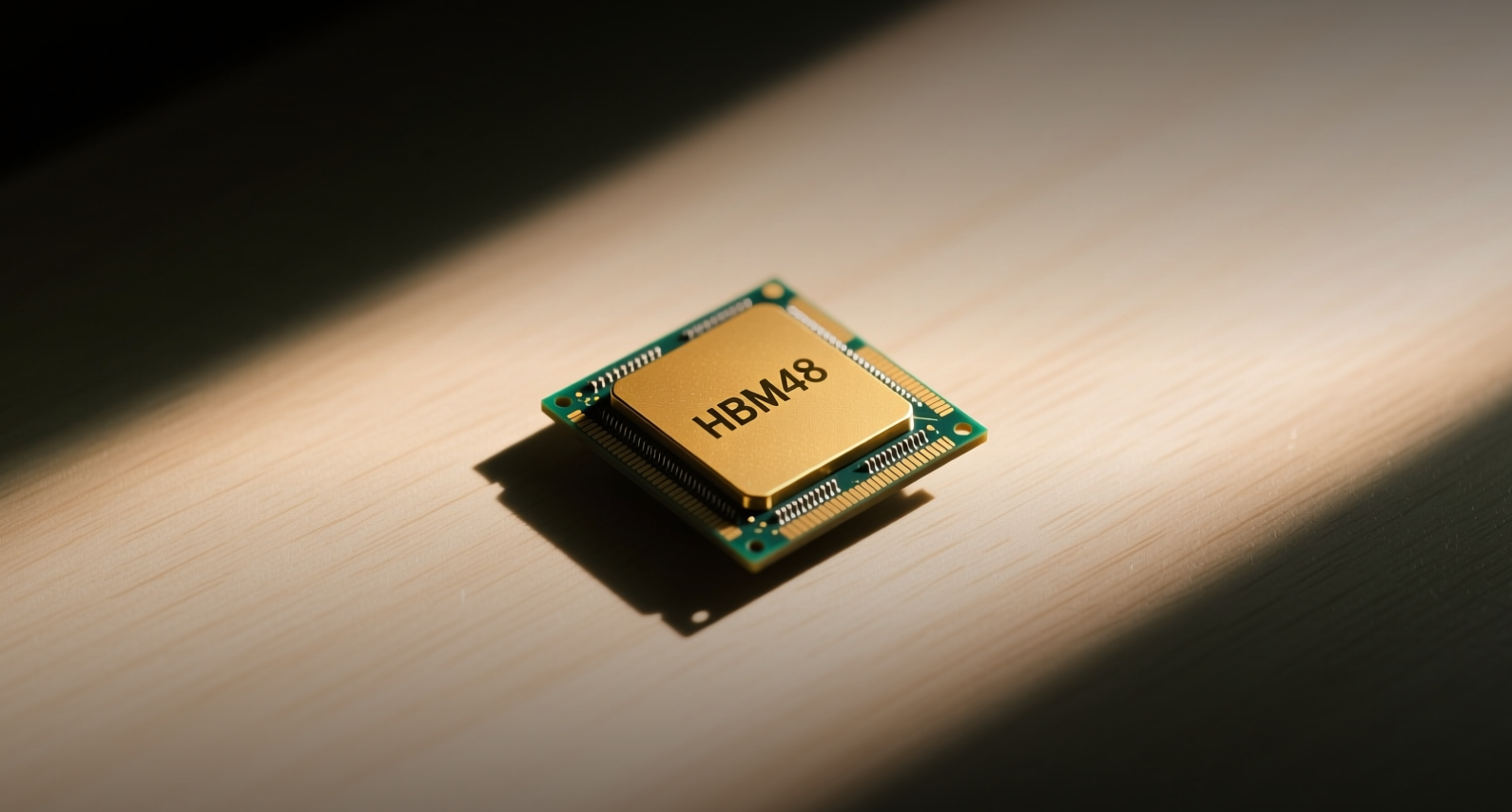
Samsung's memory supply will remain undersupplied through 2028, with 2027 tighter than 2026, as AI demand outpaces the industry's ability to build new factories.
Samsung Electronics posted a record 89.5 trillion won ($62 billion) operating profit in the second quarter, a 19-fold surge from a year earlier, as AI-driven memory demand pushed its semiconductor division to near-total profit contribution.
"Despite our efforts to increase production, demand growth is outpacing our efforts," Jaejune Kim, executive vice president of Samsung's memory business, said on the earnings call.
Revenue hit 171.5 trillion won ($119 billion), also a record, with the Device Solutions division contributing roughly 99% of total operating profit. DRAM average selling prices rose mid-40% quarter over quarter, while NAND ASPs climbed high-60%. The mobile experience business swung to a 700 billion won operating loss as memory cost inflation squeezed margins.
The results confirm that AI infrastructure demand is structurally reshaping the memory industry. Samsung has locked 60% to 70% of its total capacity into five-year rolling supply agreements with the world's top 10 technology companies, including prepayments that de-risk its $16.8 trillion quarterly capex program.
Supply Tightens as AI Token Consumption Explodes
Kim said the gap between memory supply and demand will widen further in 2027 and remain constrained through 2028. New wafer fabs take more than three years from groundbreaking to production, meaning any capacity added today will not meaningfully relieve shortages until the end of the decade.
The supply crunch is driven by exponential growth in token consumption as agentic AI spreads, Kim said. Demand is no longer limited to AI servers — general-purpose computing servers are also pulling record volumes of DRAM and NAND. Samsung's server sales reached their highest share of total chip shipments in the second quarter.
To secure supply, Samsung has signed five-year rolling long-term agreements with the five largest global data center operators — a group that likely includes Amazon Web Services, Google, Meta, Oracle and Microsoft — and is in final negotiations with five more. The contracts include large prepayments, of which Samsung has already received about a quarter of the total committed amount, and minimum price floors designed to protect against market downturns.
"Historically, the memory industry has experienced repeated up and down cycles driven by demand fluctuations in consumer applications," Kim said. "By increasing the proportion of long-term order-driven business, we want to significantly enhance the stability and visibility of our future business."
HBM4 Dominance and Foundry Momentum
Samsung's comeback in high-bandwidth memory is accelerating. The company shipped the industry's first samples of HBM4E, the next-generation version of its AI memory chip, and expects HBM4 sales to more than triple in the third quarter. HBM4 will account for more than 60% of total HBM revenue in the second half of the year, Sooncheol Park, Samsung's chief financial officer, said on the call.
The company expects its HBM market share to roughly match its overall DRAM market share by the second half, a recovery from earlier concerns that Samsung had fallen behind rival SK Hynix in the HBM race. SK Hynix also reported a record quarterly profit this week, though its shares fell nearly 20% as investors questioned whether earnings had peaked.
Samsung's foundry business, which has struggled with profitability, is showing signs of a turnaround. Sukchae Kang, head of the foundry division, said 8-nanometer and below advanced nodes are running at full capacity. Samsung expects the number of 2-nanometer projects it wins in 2026 to more than double from a year earlier, with AI and high-performance computing applications rising to more than 30% of foundry revenue from the high teens in 2025.
What This Means for Investors
Samsung shares initially surged more than 8% after the earnings release before giving back most of the gains as the call progressed, closing near flat. The reversal reflects a tension in the market: record profits are undisputed, but investors are questioning whether the massive capital spending required to maintain supply — Samsung and SK Hynix together plan to invest 800 trillion won ($554 billion) in a new South Korean chip hub — will generate sufficient returns over time.
The long-term agreement structure provides an answer. By locking in pricing floors and collecting prepayments, Samsung is effectively transferring some of the demand risk back to its customers. If the AI buildout slows, Samsung's revenue is partially protected. If it accelerates, the company still benefits from volume growth above the LTA allocation.
The bigger question is whether Samsung's mobile and consumer electronics businesses can withstand persistent memory cost inflation. The MX division's 700 billion won operating loss in the second quarter shows the pressure is already material. Samsung is betting on its "AI OS" strategy — rebuilding its system architecture around agentic AI — and new form factors like smart glasses to revive margins, but those efforts will take time to bear fruit.
This article is for informational purposes only and does not constitute investment advice.
