

Quantum X Labs'ın 50 kübitlik nötr-atom platformu, hataya dayanıklı kuantum hesaplamaya doğru bir adımı işaret ediyor ve merkezinde yapay zeka destekli bir hata düzeltme sistemi bulunuyor.
Quantum X Labs'ın 50 kübitlik nötr-atom platformu, hataya dayanıklı kuantum hesaplamaya doğru bir adımı işaret ediyor ve merkezinde yapay zeka destekli bir hata düzeltme sistemi bulunuyor.
Quantum X Labs'ın 50 kübitlik nötr-atom platformu, hataya dayanıklı kuantum hesaplamaya doğru bir adımı işaret ediyor ve merkezinde yapay zeka destekli bir hata düzeltme sistemi bulunuyor.
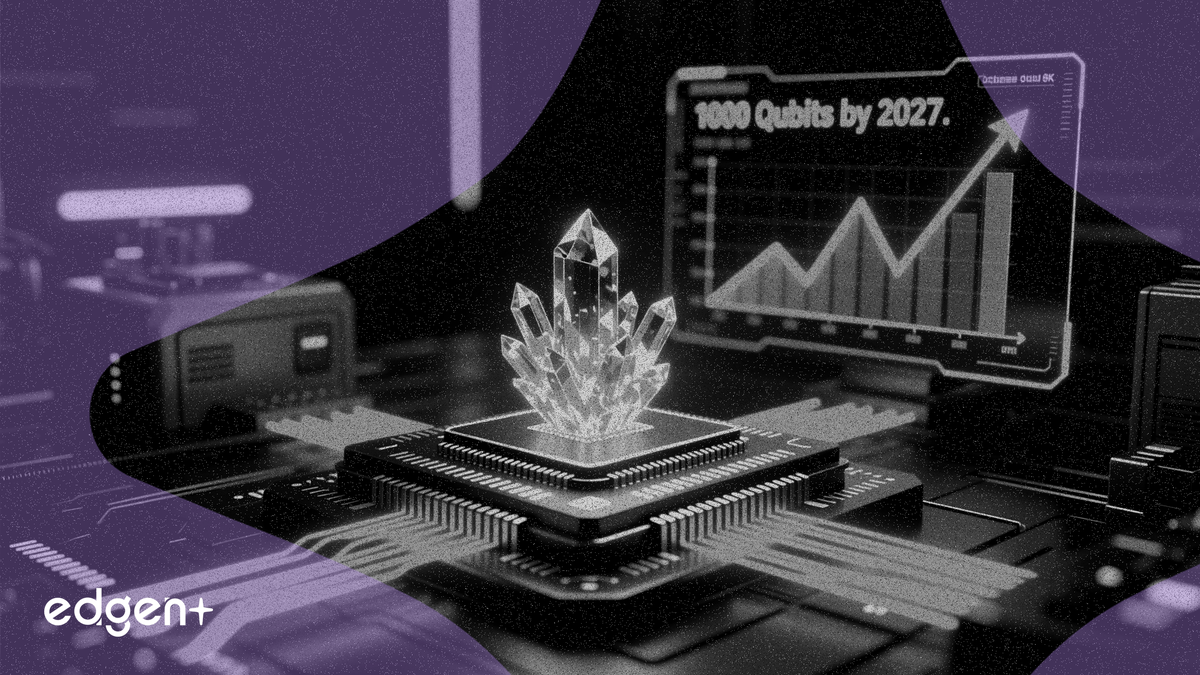
Quantum X Labs, lazerle soğutulmuş atomlar ve optik cımbızlar kullanan 50'den fazla kübitlik nötr-atom kuantum bilgisayarını piyasaya sürdü. Şirket, yapay zeka tabanlı bir hata düzeltme sistemi ile 2027 ortasına kadar binlerce kübite ulaşmayı ve hataya dayanıklı işlemlerin hesaplama yükünü azaltmayı hedefliyor.
"Amacımız, fiziksel kübit sayılarını artırmaya devam ederken entegre hata düzeltme mimarisine sahip modüler bir platform inşa etmek," dedi şirketin baş kuantum teknolojisi bilimcisi Prof. Nir Sharon. "Bu 50'den fazla kübitlik platform bize, tescilli yapay zeka destekli hata düzeltmemizi uygulamak ve potansiyel olarak ölçekte verimli, gerçek zamanlı hata yönetimini gerçekleştirmek için gerekli fiziksel ortamı sağlıyor."
Platform, dinamik olarak yeniden yapılandırılabilir optik cımbız dizileri ve tescilli lazer soğutma kullanarak genişletilmiş eşevrelilik sürelerine sahip büyük ölçekli kübit kayıtları yüklüyor. Nötr atomlar arasında yüksek doğruluklu işlemler sağlayan bir yöntem olan Rydberg aracılı iki-kübit kapılarını destekliyor. Şirket, nötr-atom kontrol yığınıyla eşleştirilmiş düşük gecikmeli bir geri bildirim döngüsü aracılığıyla hataları gerçek zamanlı olarak düzeltmek için sendrom güdümlü kod çözme kullanan bir yapay zeka sistemi olan bekleyen derin dönüştürücü kod çözücü patentini (US12294387B2) entegre etmeyi planlıyor.
Quantum X hisseleri haberin ardından %8,7 yükselerek 4,99 dolara çıktı ve 61 milyon dolarlık piyasa değerine yaklaşık 5 milyon dolar ekledi. Hisse senedi, 4,60 dolarlık 52 haftalık zirvesine yakın işlem görüyor ve 93.082 adetlik hacim — 20 günlük ortalama olan 47.645'in iki katı — duyuruya yönelik yüksek yatırımcı ilgisine işaret ediyor.
Nötr-Atom Mimarisi vs. Süperiletken Kübitler
Nötr-atom kuantum hesaplama, IBM ve Google gibi şirketler tarafından kullanılan süperiletken devreler yerine lazer "cımbızlarla" yerinde tutulan bireysel atomları kullanıyor. Bu yaklaşım, atomlar doğaları gereği özdeş olduğundan ve süperiletken çipleri etkileyen üretim değişkenliğini ortadan kaldırdığından ölçeklenebilirlik açısından potansiyel avantajlar sunuyor. Lawrence Berkeley Ulusal Laboratuvarı'ndaki araştırmacılara göre, IBM ve Google'ın mevcut birinci nesil kuantum sistemleri düzinelerce ila birkaç yüz süperiletken kübit aralığında çalışıyor. Hataya dayanıklı, hata düzeltmeli hesaplama için gereken binlerce kübite ulaşmak, işlemci tasarımından kriyojenik altyapıya, kontrol elektroniğinden hata düzeltme yazılımına kadar tüm kuantum yığınında ilerleme gerektiriyor.
Quantum X'in nötr-atom yaklaşımı, bu ölçekleme zorluklarının bazılarını aşıyor. Optik cımbız dizileri dinamik olarak yeniden yapılandırılabiliyor ve şirketin tescilli atom soğutma teknolojisi, anlamlı hesaplama için yeterince uzun eşevrelilik sürelerini korumayı hedefliyor. Derin dönüştürücü kod çözücü, başarıyla entegre edilirse, Berkeley Lab araştırmacılarının hesaplama açısından yoğun bir görev olarak tanımladığı sorunu çözecek: işlemcide ortaya çıktıkça hataları tespit etmek ve düzeltmek için döngüde önemli miktarda klasik hesaplama kaynağı gerekiyor.
Platform, havacılık ve savunma, klinik deneyler, süreç optimizasyonu, nükleer enerji, ilaç ve kuantum siber güvenliği alanlarındaki uygulamaları hedefliyor. Quantum X ayrıca Gix Media aracılığıyla dijital reklamcılıkta ve Metagramm aracılığıyla yapay zeka destekli dilbilgisi düzeltmede yan kuruluşlar işletiyor, ancak kuantum hesaplama, halka açık şirket için birincil büyüme anlatısı olmaya devam ediyor.
Binlerce Kübite Giden Yol
Quantum X'in 2027'nin ilk yarısının sonuna kadar binlerce fiziksel kübite ulaşma yol haritası, yapay zeka tabanlı hata düzeltmesini modüler bir altyapıya entegre etmeye bağlı. Şirketin mantıksal kübit yolu stratejisi, derin dönüştürücü kod çözücünün yüksek doğruluklu Rydberg kapı çıktılarını gerçek zamanlı olarak işlemesini ve hataya dayanıklı mantıksal kübit işlemlerine doğru pratik bir yol oluşturmasını gerektiriyor. Şirket, iddia edilen performans avantajları için test koşullarını veya karşılaştırma ölçütlerini açıklamadı.
Yatırımcılar için zaman çizelgesi önemli ölçüde yürütme riski taşıyor. 50'den fazla kübitten 12 ay içinde binlerce kübite ölçeklenmek, önde gelen oyuncuların bile orta ölçekli aşamada kaldığı daha geniş kuantum hesaplama endüstrisine göre bir hızlanmayı temsil edecektir. Quantum X'in 61 milyon dolarlık piyasa değeri, teknolojinin erken aşama doğasını yansıtıyor. Şirket yol haritasını gerçekleştirirse, Boston Consulting Group'un önümüzdeki 15 ila 30 yıl içinde 450 milyar ila 850 milyar dolara ulaşabileceğini tahmin ettiği kuantum hesaplama pazarından bir pay alabilir. Şirketin hedeflerinin gerisinde kalması durumunda ise, hisse senedinin mevcut gelir tabanına — şirket gelirinin büyük kısmını reklam ve yapay zeka yazılım yan kuruluşlarından elde ediyor — göre primli değerlemesi, hata payı için çok az alan bırakıyor.
Bu makale yalnızca bilgilendirme amaçlıdır ve yatırım tavsiyesi niteliği taşımaz.
