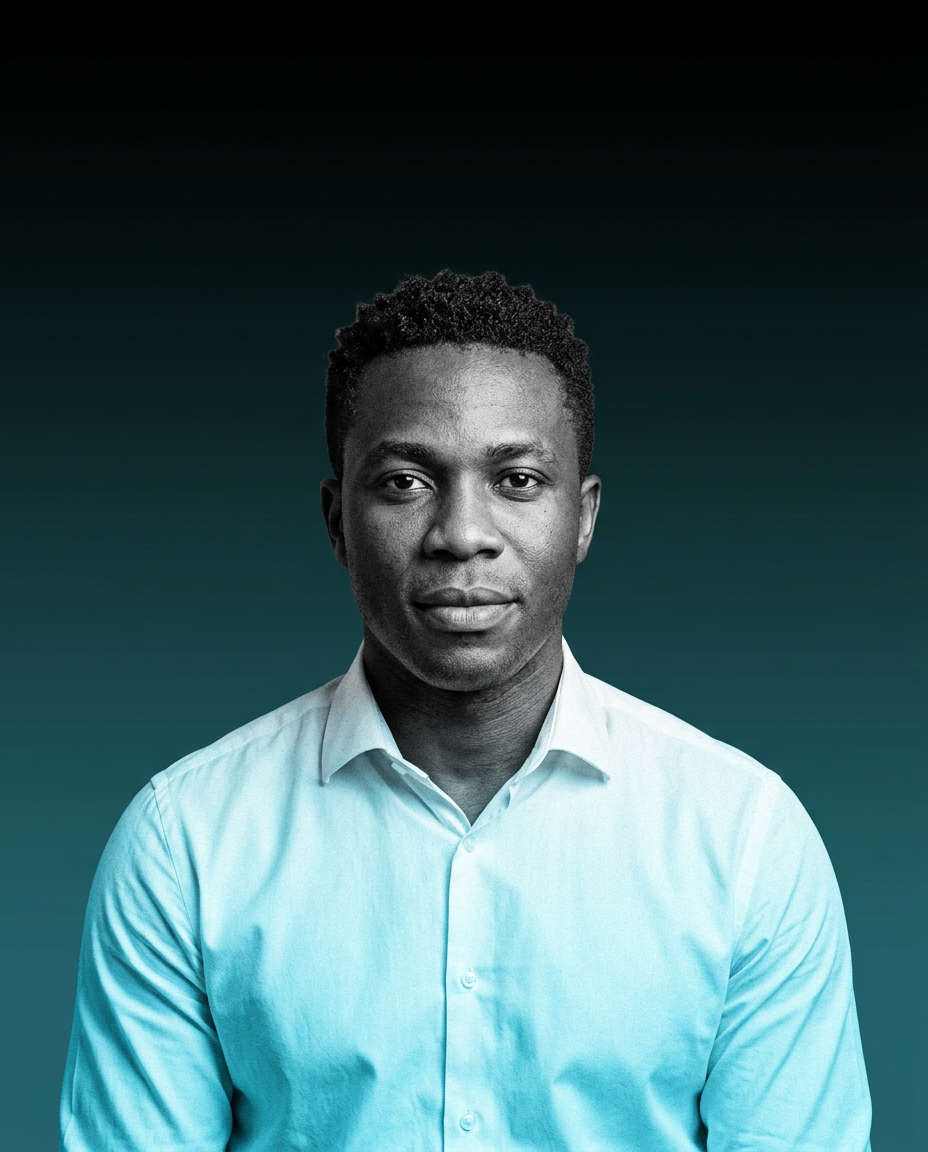
Kevin Warsh, a former Morgan Stanley banker with over $100 million in personal crypto holdings, is now the most powerful central banker in the world.

Kevin Warsh, a former Morgan Stanley banker with over $100 million in personal crypto holdings, is now the most powerful central banker in the world.
Kevin Warsh was sworn in as the new chair of the Federal Reserve at a White House ceremony on Friday, installing a leader with deep personal investments in cryptocurrency and signaling a potential pivot on US monetary policy. Warsh, 56, replaces Jerome Powell, whose term was defined by an adversarial stance toward digital assets and public disagreements with President Donald Trump over interest rate hikes. The appointment marks a dramatic regime change at the central bank that has markets pricing in a more dovish future.
Warsh has publicly stated that Bitcoin “does not make him nervous” and has advocated for treating digital assets as a legitimate part of the financial services landscape. His confirmation, which passed the Senate with a narrow 54-45 vote on May 13, was celebrated by pro-crypto lawmakers who anticipate a clearer regulatory framework for the industry. The shift in tone from the top of the Fed is seen as a significant tailwind for banks seeking to engage with digital assets.
The immediate focus for investors is how Warsh will navigate monetary policy amid consistent pressure from President Trump for lower interest rates. Unlike his predecessor, Warsh is widely seen as more sympathetic to an accommodative stance. His appointment comes as the crypto industry, where he holds over $100 million in assets, has historically rallied during periods of monetary easing. Warsh’s cautious position on a US central bank digital currency also aligns with the administration's stance, easing privacy concerns within the crypto community.
The transition represents a full-circle moment for Warsh, who previously served as a Fed governor from 2006 to 2011. Appointed at age 35, he was the youngest governor in the institution's history and played a key role as an intermediary between Wall Street and Washington during the 2008 financial crisis. His return to the Fed is marked by a profoundly different financial profile, with significant personal stakes in over 30 digital asset projects, including Bitcoin, the Lightning Network startup Flashnet, prediction market Polymarket, and decentralized exchange dYdX.
The implications of a pro-crypto Fed chair extend far beyond personal investments. While the Fed does not directly regulate cryptocurrencies, it governs the banking system's ability to interact with them. Under Powell, financial institutions faced implicit warnings that crypto-related activities were a source of regulatory risk. Warsh’s leadership is expected to reverse that dynamic, potentially unlocking significant capital flows into the sector if banks receive clearer guidance on crypto custody and services.
However, his extensive crypto portfolio presents a significant conflict-of-interest challenge. Every policy decision related to digital assets will be scrutinized through the lens of his personal holdings, raising questions about whether he will recuse himself from such matters to maintain public trust in the central bank's independence. The narrow confirmation vote also suggests Warsh begins his term with limited bipartisan political capital, which could complicate bold policy moves.
Beyond the world of crypto, Warsh's ascension is being interpreted as a harbinger of lower interest rates. Historically, periods of monetary easing have correlated with bullish cycles for risk assets as investors are pushed further out on the risk curve in search of yield. Should Warsh guide the Fed toward rate cuts, it could provide a substantial boost for both equities and digital assets.
His experience during the 2008 crisis suggests a deep understanding of systemic risk, which could inform his approach to integrating crypto into the traditional financial system with appropriate safeguards. He has previously advocated for a "policy regime change" at the Fed, signaling a willingness to challenge institutional orthodoxy. For crypto investors, the best-case scenario is that Warsh moves quickly to establish clear regulatory frameworks before the political window, narrowed by a contentious confirmation, closes.
This article is for informational purposes only and does not constitute investment advice.