
Federal Reserve Chair Jerome Powell will remain a governor after his term ends May 15, a move not seen in 78 years that sets up a direct conflict with the Trump administration over the central bank's independence.
Federal Reserve Chair Jerome Powell will remain a governor after his term ends May 15, a move not seen in 78 years that sets up a direct conflict with the Trump administration over the central bank's independence.
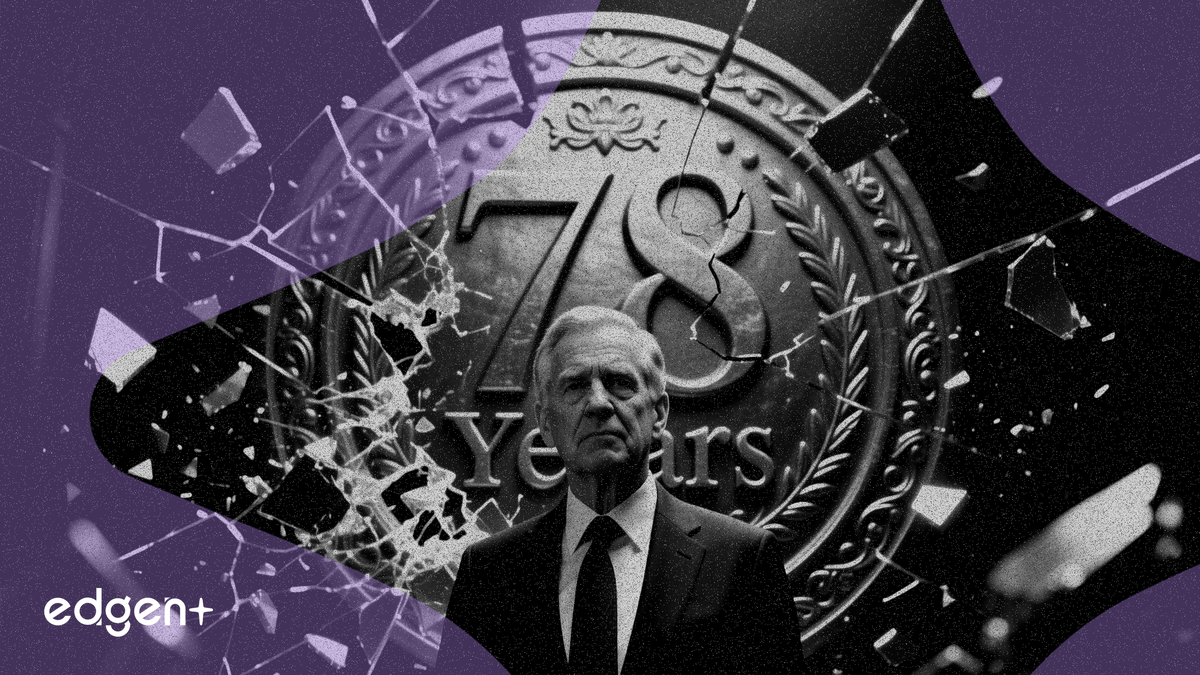
Federal Reserve Chair Jerome Powell announced he will remain on the central bank’s board after his term ends May 15, breaking 78 years of precedent and positioning himself as a bulwark against what he called “unprecedented” political attacks on the institution.
"I have no intention of leaving the Board until the investigation is well and truly over, with transparency and finality,” Powell said Wednesday, referencing a politically charged probe into the Fed's building renovations. "I worry that these attacks are battering the institution and putting at risk the thing that really matters to the public, which is the ability to conduct monetary policy without taking into consideration political factors."
The decision comes as the Federal Open Market Committee appears increasingly fractured, holding rates steady in a rare 8-4 vote last week. Three of those dissents opposed the policy statement’s “easing bias,” highlighting a reluctance to cut rates as the Fed’s preferred inflation gauge climbed to 3.5 percent in March.
Powell’s continued presence, with a vote on monetary policy until his term expires in 2028, could establish him as a “shadow chair,” according to one analyst. The move immediately denies President Trump an open seat to fill and complicates the path for his chosen successor, Kevin Warsh, to pivot the central bank toward rate cuts.
The decision is a stark departure from modern norms. Powell’s three immediate predecessors—Janet Yellen, Ben Bernanke, and Paul Volcker—all resigned as governors the same day their chairmanships ended. The last chair to remain on the board for a significant period was Marriner Eccles, who stayed for three years after his term ended in 1948.
Powell insists the move is a matter of duty, not choice, directly linked to a criminal investigation into cost overruns at the Fed’s headquarters, which he and many Democrats have labeled as politically motivated. "The things that have happened in the... last three months have, I think, left me no choice but to stay until I see them through,” Powell stated. While the Justice Department handed the probe to the Fed's inspector general last week, the lead prosecutor noted she would "not hesitate to restart a criminal investigation."
The announcement drew immediate fire from the Trump administration. Treasury Secretary Scott Bessent called it a “violation of all Federal Reserve norms,” while President Trump posted on Truth Social that Powell “can’t get a job anywhere else.”
The move complicates the outlook for incoming chair Kevin Warsh, whose nomination was advanced by the Senate Banking Committee on Wednesday. Warsh is widely expected to be more amenable to the White House’s desire for lower interest rates. However, he will inherit a committee already showing significant resistance to easing. The recent 8-4 vote, combined with inflation moving further from the Fed's 2 percent target, suggests a difficult path for any rate-cut proponent.
Economists note that should Warsh push for rate cuts, Powell would almost surely dissent, creating a powerful opposition voice on the board. With traders in futures markets pricing in a greater than 80 percent chance of no rate cuts for the remainder of 2026, Powell's decision to stay adds another layer of uncertainty to the monetary policy outlook.
This article is for informational purposes only and does not constitute investment advice.

