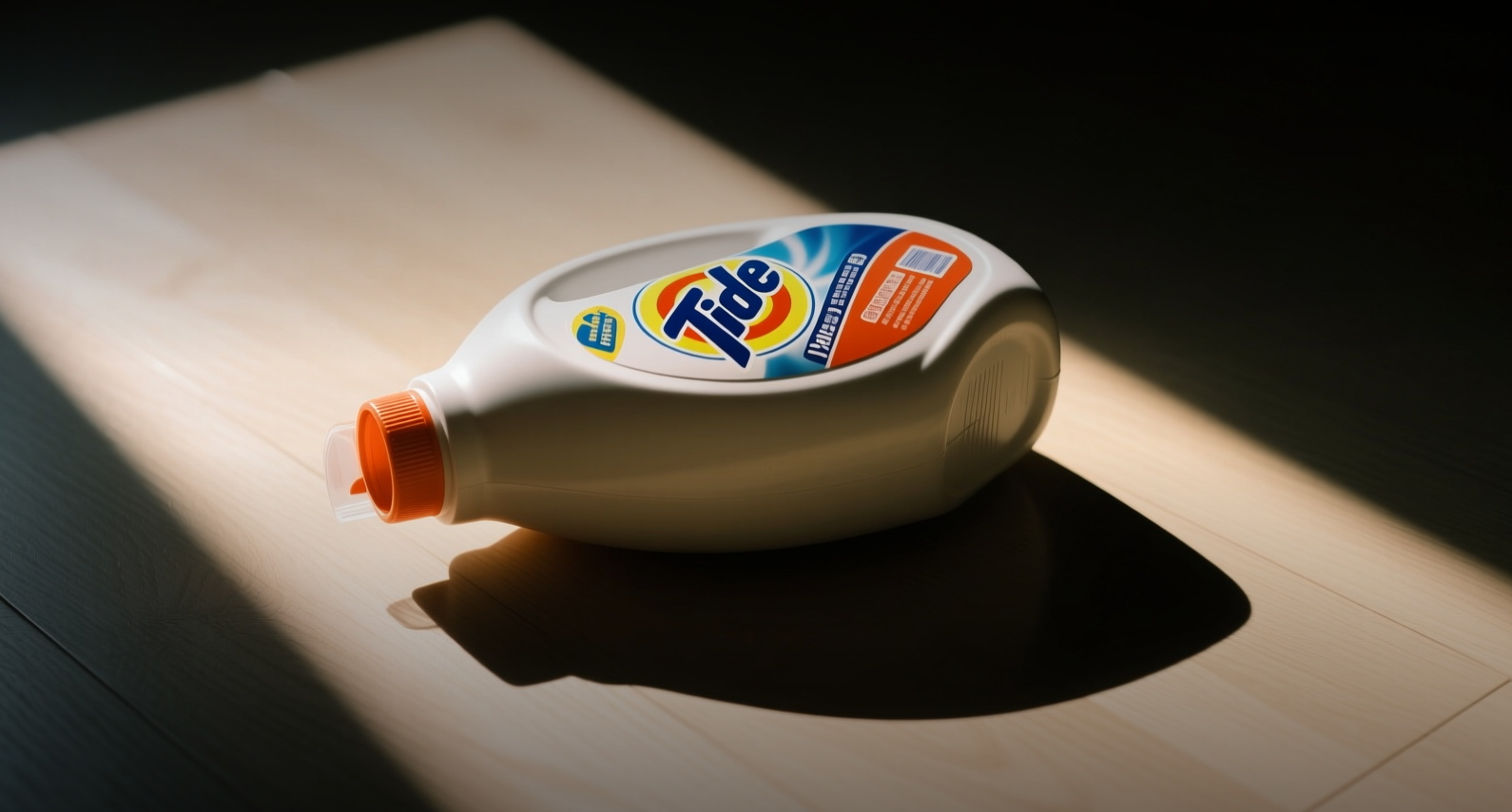
Procter & Gamble reported Q4 revenue of $21.20 billion, missing estimates, and forecast muted 2027 growth as inflation-squeezed consumers traded down.
"Fiscal 2026 was a year of foundation building," Chief Executive Officer Shailesh Jejurikar, who took the helm in January, said in a statement. The company is navigating a "very challenging geopolitical and economic environment," he said. P&G also named Jejurikar chairman from Aug. 1, with former CEO Jon Moeller retiring Aug. 14.
Adjusted earnings of $1.43 a share in the quarter ended June narrowly beat the $1.41 consensus, according to data compiled by LSEG. Net sales rose 1.5% from a year earlier to $21.20 billion but missed the $21.38 billion analysts had expected. Organic volumes were flat, with declines in three of five segments. The beauty category, which includes premium hair care and personal care products, was a bright spot with volumes rising 3% even as prices remained broadly unchanged. Grooming and oral care were among the weaker categories.
The muted outlook shows management expects consumer pressure to persist. The Tide and Bounty maker forecast total net sales growth of 1% to 3% for fiscal 2027, with the midpoint slightly below the 2.7% analysts had expected. Adjusted earnings are seen in a range of $6.89 to $7.11 a share, also narrowly trailing the $7.04 consensus.
Core operating margin contracted 130 basis points, its third straight quarterly decline, as the company increased investment in marketing and promotions to defend market share. P&G reported flat prices for the first time since December 2024, suggesting limited room to pass on higher costs. Higher raw material, energy and transportation costs tied to surging oil prices are expected to reduce profit by about $1 billion in fiscal 2027, the company said. A P&G spokesperson said there was uncertainty around how long elevated costs would persist.
P&G shares fell about 3% in premarket trading on Wednesday. The stock has lagged the broader Consumer Staples index this year as the spending environment remains volatile. Rival Unilever last week posted its best quarter by volumes in over a decade as it shifts focus to beauty and wellness, while PepsiCo has also flagged higher input costs in the back half of the year.
Higher food and gas prices and several quarters of sticky inflation have forced lower-income consumers to tighten spending and seek cheaper alternatives for pantry staples, the company noted. The 10-year Treasury yield sits at 4.6%, while core PCE continues to climb, adding to pressure on household budgets.
P&G has raised its quarterly dividend from $1.0065 in early 2025 to $1.0885 in mid-2026, bringing the annual payout to $4.227 a share for a yield of about 2.9%. The company has increased its dividend for 69 consecutive years.
The muted forecast shows management sees no near-term relief from consumer spending pressure. Investors will watch the company's fiscal first-quarter results for signs of whether increased marketing spending is stabilizing market share.
This article is for informational purposes only and does not constitute investment advice.