

주요 내용:
- 피터 쉬프, 연간 1조 달러 AI 자본 지출을 대규모 자본 배분 실패로 지목
- 마이크로소프트, 아마존, 알파벳, 메타의 연간 합산 지출 규모 약 5,000억 달러
- 엔비디아 매출 85% 급증해 816억 달러 기록했지만 MS와 메타 주가는 연초 대비 하락
주요 내용:
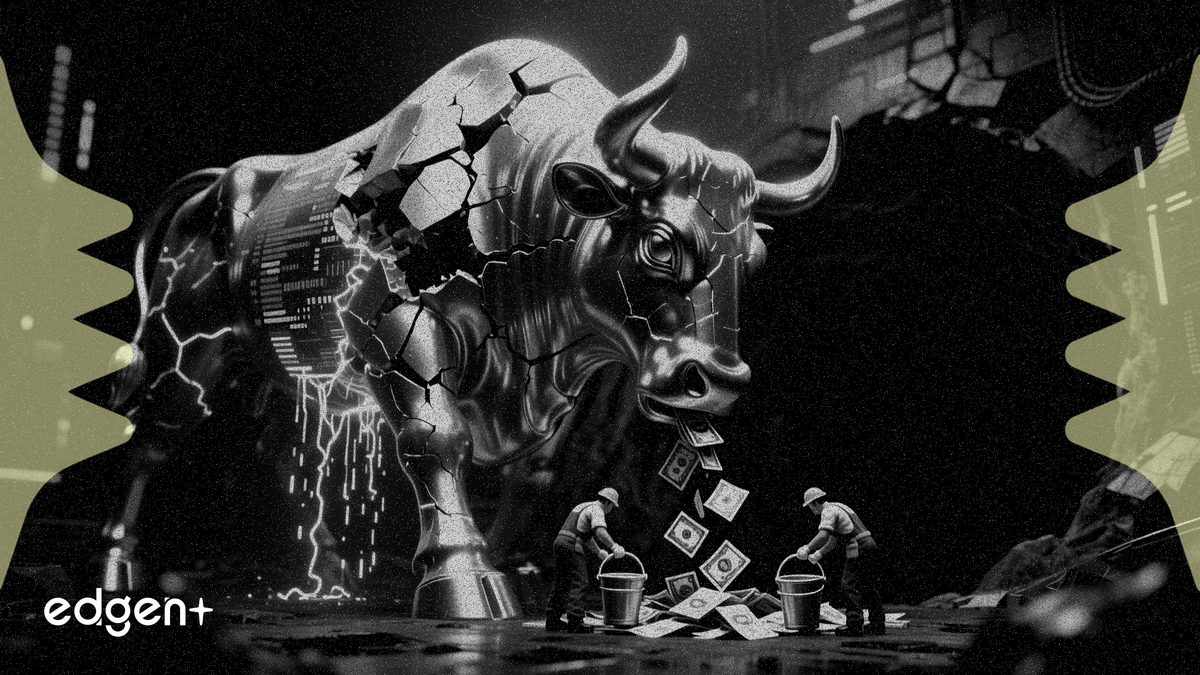
피터 쉬프, 하이퍼스케일러들이 5년 안에 구식이 될 AI 장비에 연간 1조 달러를 쏟아붓고 있다고 지적
달러 약세론자이자 유로 퍼시픽 캐피탈 대표인 피터 쉬프는 연간 1조 달러 규모의 AI 인프라 구축이 대규모 자본 배분 실패를 의미하며, 데이터센터 장비가 5~6년 내에 노후화될 위험이 있다고 경고했다.
"이 1조 달러는 어디서 오는 걸까? 이 모든 기업들이 컴퓨터 장비를 사는 데 쓰지 않았다면 그 1조 달러로 무엇을 했을까?" 쉬프는 자신의 팟캐스트 The Peter Schiff Show 에피소드 "부채, AI 버블, 그리고 스트래티지의 유동성 위기"에서 이같이 말했다.
수치들은 그의 주장에 무게를 실어준다. 마이크로소프트는 3월 분기에 자본 지출로 308억 8,000만 달러를 지출했으며, 이는 전년 대비 84% 증가한 수치다. 알파벳은 356억 7,000만 달러를 지출해 전년도의 두 배를 넘겼다. 아마존닷컴은 단일 분기 442억 달러를 기록해 연간 기준 약 1,750억 달러에 달했으며, trailing 잉여현금흐름은 260억 달러에서 12억 달러로 급감했다. 메타 플랫폼스는 2026년 자본 지출 가이던스를 최대 1,450억 달러로 상향 조정했다.
이 지출은 직접적으로 칩 제조사들로 흘러가고 있다. 엔비디아는 지난 분기 매출 816억 2,000만 달러를 기록해 85% 증가했으며, 데이터센터 네트워킹만 199% 성장했다. 마이크론 테크놀로지 주가는 GPU 채택과 연계된 고대역폭 메모리 수요에 힘입어 지난 1년간 865% 급등했다. 그러나 시장은 이미 차별화를 시작했다: 기대치 대비 가장 많은 지출을 한 마이크로소프트와 메타는 연초 대비 각각 10%, 2.3% 하락한 반면, 자본 지출이 가시적인 매출로 전환되는 구글과 아마존은 각각 22%, 21% 상승했다.
자본 지출과 매출 간의 격차
쉬프의 주장은 가치 평가를 넘어선다. 그는 지출이 무엇을 대체하는지 의문을 제기한다 — 대규모 해고와 다른 분야에 대한 투자 포기, 그리고 월스트리트가 축제 분위기일 때 소비자 신뢰도가 사상 최저치를 기록하고 있다는 점이다. 현장 증거는 이러한 우려를 뒷받침한다. The Information에 따르면, 우버 테크놀로지스는 클로드 코드가 재무팀이 모델링한 속도보다 빠르게 약 5,000명의 엔지니어 사이에 확산되면서 4월까지 2026년 전체 AI 예산을 소진했다. CTO 프라빈 네팔리 나가는 회사가 "가정에 대한 백지상태로 돌아갔다"고 말했다.
사모 신용 시장도 압박을 받고 있다. 피치 레이팅스에 따르면, 4월 불투명한 사모 신용 부문의 채무 불이행률은 사상 최고치인 6%를 기록했으며, UBS 전략가 매튜 미쉬는 AI 사이클에 부분적으로 기인해 채무 불이행률이 4.4%에서 최대 10%까지 상승할 것으로 전망한다. 소프트웨어 기업들은 사모 신용 담보부 대출 자산의 19%를 차지하며, AI가 비즈니스 모델을 교란함에 따라 성장 둔화와 마진 압축에 직면해 있다.
강세론자들의 주장
반론은 직설적이다. 마이크로소프트 CEO 사티아 나델라는 회사의 AI 사업이 연간 매출 실행률 370억 달러에 도달했으며, 전년 대비 123% 증가했다고 밝혔다. 엔비디아 CEO 젠슨 황은 이번 구축을 "인류 역사상 가장 큰 인프라 확장"이라고 부른다. 폴리마켓은 마이크로소프트 단독으로 2026년 말까지 오픈AI와 앤트로픽을 합친 것보다 가치가 높아질 확률을 80%로 책정했다.
구글의 클라우드 백로그는 4,600억 달러에 달하며, 아마존 웹 서비스는 최근 분기 28% 성장해, 적어도 일부 지출이 확정된 수익으로 전환되고 있음을 시사한다. 강세론은 AI 인프라가 과거 기술 사이클과 달리 선행 비용을 정당화할 수익을 창출할 것이라는 믿음에 기반한다.
투자자들에게 이 두 서사의 차이는 사이클의 결과를 결정할 것이다. 쉬프가 옳고 AI 장비가 수익 규모보다 더 빨리 감가상각된다면, 연간 1조 달러의 지출은 대규모 손상차손과 기술 자본 지출의 급격한 위축을 초래할 수 있다. 나델라와 황이 옳다면, 현재 5조 1,600억 달러의 엔비디아와 1조 달러의 마이크론 배수는 나중에 보면 싸게 보일 것이다. 시장은 이미 발로 투표하고 있다 — 구글과 아마존은 보상하고 마이크로소프트와 메타는 처벌하는 방식으로 — 두 주장 모두에 타당성이 있다고 보고 있음을 시사한다.
본 문서는 정보 제공 목적으로만 작성되었으며 투자 조언을 구성하지 않습니다.
