

Key Takeaways:
- Penguin Solutions CEO says memory is the new compute bottleneck for agentic AI
- Stock surged 123% YTD as Q3 revenue rose 48% to $478.71 million
- 89% of operating profit tied to memory, creating both upside and cyclical risk
Key Takeaways:
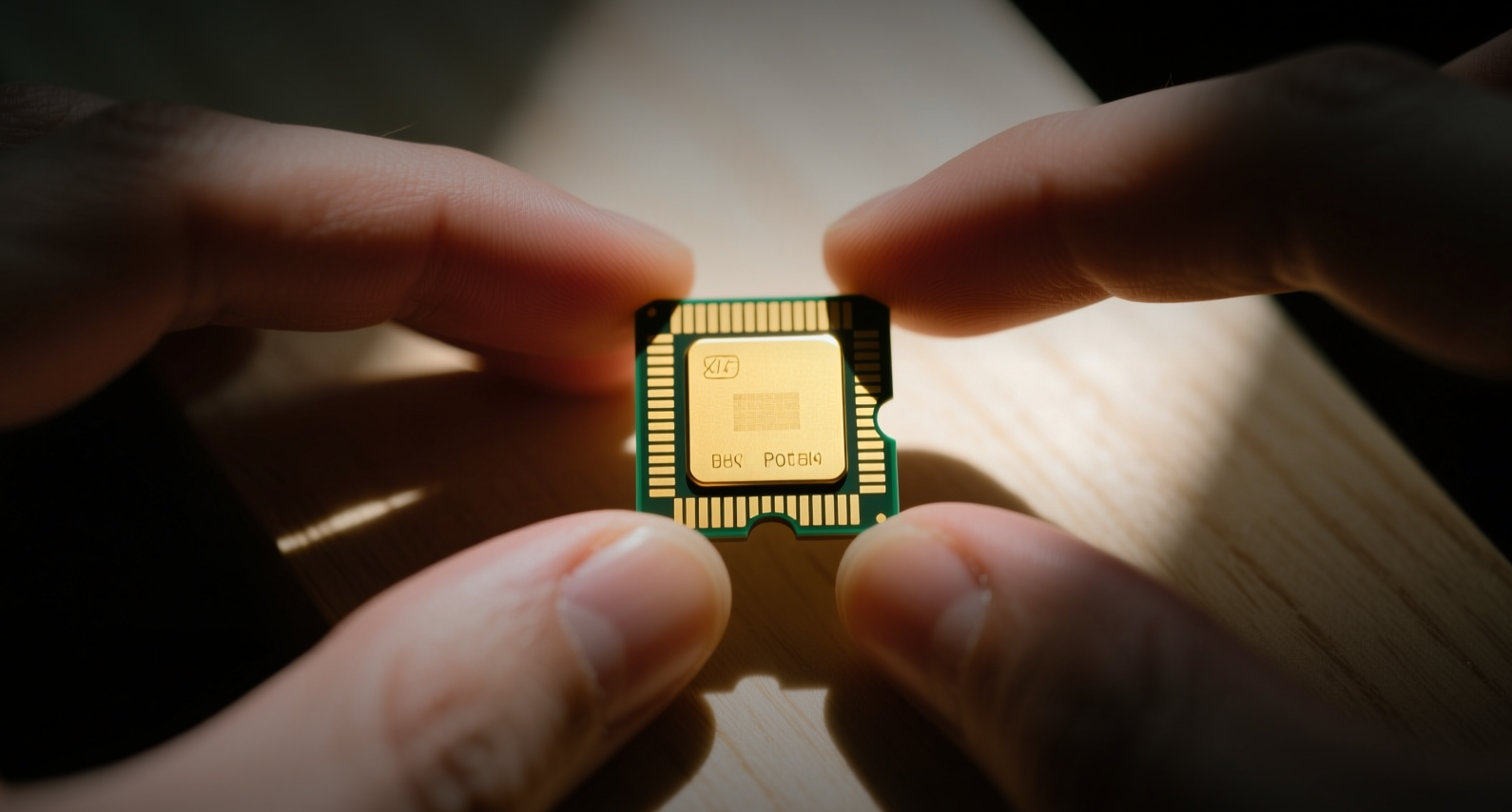
Memory bandwidth, not GPU throughput, is becoming the primary bottleneck in AI factories as agentic workloads run around the clock.
Penguin Solutions Chief Executive Kash Shaikh argues that memory, not GPU compute, is becoming the primary bottleneck in AI factories as agentic workloads shift from short prompts to continuous 24/7 operation.
"Memory is the new compute, especially with agentic AI," Shaikh, President and Chief Executive Officer of Penguin Solutions, said in a CNBC interview on July 29.
The company's stock has surged 123% year to date, giving it a market capitalization of about $2.47 billion. In fiscal Q3 2026, revenue rose 48% year over year to $478.71 million, with the memory and AI infrastructure segment more than doubling to represent over 75% of total net sales. Non-GAAP diluted earnings per share of $0.84 beat consensus estimates by 49.33%.
The thesis hinges on whether agentic AI — autonomous systems that perform tasks, automate workflows and maintain persistent context — will strain memory subsystems faster than GPU makers can add bandwidth. If Shaikh is right, Penguin's 89% concentration of operating profit in memory shifts from a risk to a structural advantage. The company trades at a forward price-to-earnings ratio near 12, with analysts carrying a Buy consensus and a $74.29 price target implying about 70% upside from the current $43.70.
Where advisory AI answers a question and stops, agentic AI operates continuously — maintaining context windows, caching key-value data and running tool-use loops that pile pressure onto memory subsystems. Gartner expects 33% of enterprise software applications to include agentic AI by 2028, up from less than 1% in 2024. Penguin's MemoryAI CXL-based KV cache server, already deployed at a Tier One financial institution, is designed specifically for that workload.
Micron Technology, the purest public-market proxy for the memory cycle, reported fiscal Q3 2026 revenue of $41.46 billion, up 345.7% year over year, with GAAP gross margins expanding to 84.6%. Its shares have gained 187.67% year to date. Penguin sits inside the same cycle: about 89% of its operating profit comes from memory, and the stock carries a beta of 2.83, meaning a 22.68% one-month drawdown is as much a feature as the 123% year-to-date gain. Nvidia, the demand engine behind the AI factory buildout, reported fiscal Q1 2027 data center revenue of $75.25 billion and named Penguin an AI Factory Specialized Partner.
The next signals to watch are how quickly Penguin's multi-quarter backlog converts into revenue and whether MemoryAI CXL deployments expand beyond the initial Tier One customer. If agentic AI adoption follows the Gartner trajectory, memory infrastructure spending could decouple from GPU cycles — turning Penguin's concentration from a cyclical risk into a secular growth driver. At a forward P/E near 12, the market is pricing in neither outcome with conviction.
This article is for informational purposes only and does not constitute investment advice.
