

Nvidia shares fell 3% on June 25 as rising inflation and hyperscaler spending concerns deepened a tech-sector rout.
Nvidia shares fell 3% on June 25 as rising inflation and hyperscaler spending concerns deepened a tech-sector rout.
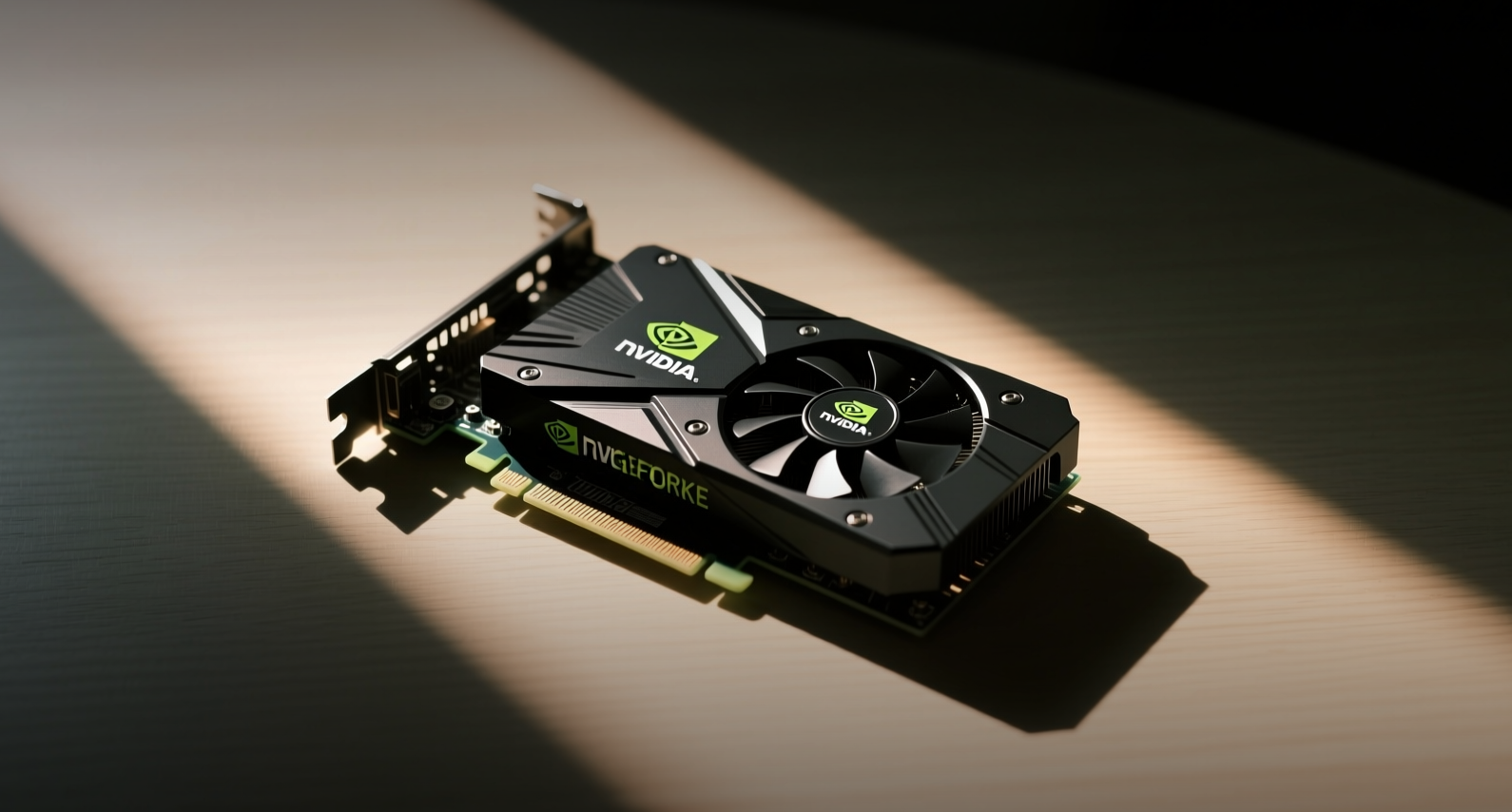
Nvidia shares fell 3% on June 25, extending a tech-sector rout as rising inflation and concerns over hyperscaler spending weighed on semiconductor stocks.
"The market is repricing AI infrastructure stocks as higher-for-longer interest rates threaten the debt-backed spending that has fueled this cycle," said Robert Conzo, CEO at the Wealth Alliance.
The decline came as the Philadelphia SE Semiconductor Index rose 2.5% on the same day, driven by a 14% surge in Micron Technology after its earnings report. Nvidia's move diverged from the broader chip index, with the stock falling even as memory-chip makers rallied. Apple slid nearly 5% after hiking iPad and MacBook prices to counter rising memory and storage chip costs, while Microsoft and Alphabet each fell between 1.2% and 2.7%.
The selloff has erased more than $1 trillion in market value from the Nasdaq this month, with the index on track for its biggest monthly decline since March 2025. Nvidia, the dominant provider of AI chips, now faces a dual threat: rising borrowing costs that could slow data center expansion and a potential rotation out of high-multiple tech stocks as the Federal Reserve signals it may raise interest rates by 25 basis points before year-end.
The broader tech selloff has been led by concerns over debt-backed spending by hyperscalers — the large cloud providers that account for the bulk of AI chip purchases. Data released June 25 showed US inflation broke above 4 percent for the first time in three years, driven by higher energy prices, drawing the Federal Reserve closer to raising interest rates.
Nvidia's drop also comes ahead of Micron's earnings report, which added to market nervousness around the memory chip trade. Micron shares have gained more than 300 percent since the start of the year, reflecting the market's aggressive pricing of AI-driven demand. Qualcomm rose 5 percent on the same day after providing upbeat signals on AI demand.
The Philadelphia SE Semiconductor Index remains on track for its strongest quarter on record, according to LSEG data. The disconnect between the index's quarterly performance and the current selloff shows investors are weighing near-term macro risks against the longer-term AI investment thesis. Nvidia shares, which have been the primary beneficiary of the AI chip boom, are now testing a key support level as traders assess whether the current selloff represents a buying opportunity or the start of a deeper correction.
This article is for informational purposes only and does not constitute investment advice.
