

Northrop Grumman is deepening its military training and simulation business, betting that LVC technology and autonomous aircraft will capture a growing share of rising global defense budgets.
Northrop Grumman is deepening its military training and simulation business, betting that LVC technology and autonomous aircraft will capture a growing share of rising global defense budgets.
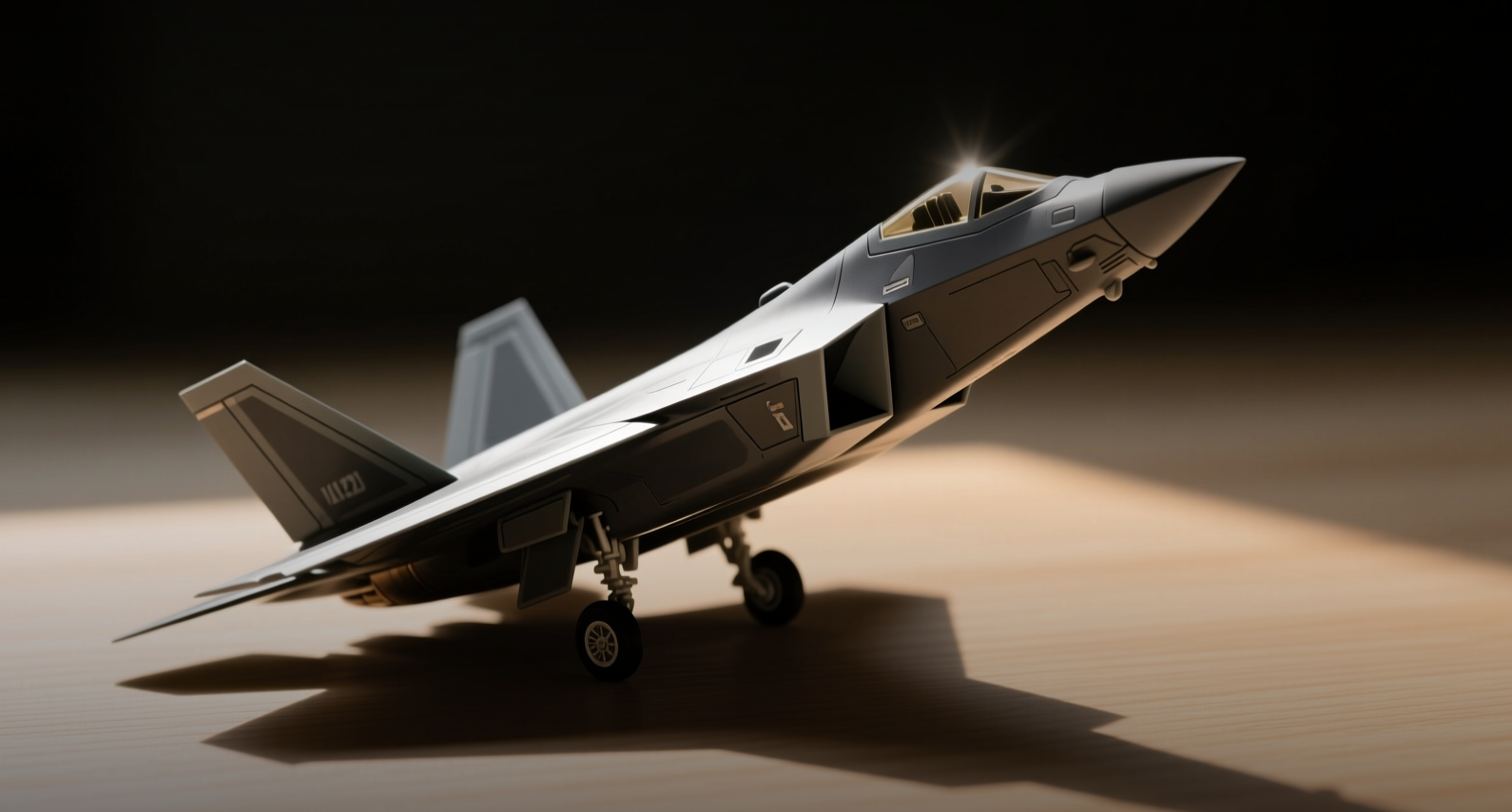
Military training and simulation is a key growth area for defense contractors, and Northrop Grumman is expanding with Live-Virtual-Constructive (LVC) and autonomous systems backed by 500,000 flight hours.
"Autonomy is not merely about removing the human pilot; it's about augmenting warfighter capability with intelligent, adaptable, and trustworthy aircraft," Craig Woolston, vice president and general manager of research and advanced design at Northrop Grumman, said.
The company's LVC framework is integrated into training for both fifth-generation F-35 and fourth-generation F-16 fighter aircraft. Its Combat Electromagnetic Environment Simulator gives warfighters realistic training against complex electromagnetic threats. Northrop Grumman also brings seven decades of autonomy work to its Project Talon Portfolio, which includes the Talon Blue collaborative combat aircraft demonstrator, the Talon IQ open-architecture testbed, and the Prism mission autonomy software.
As militaries worldwide modernize training capabilities, the simulation and training market is expected to expand. Northrop Grumman's LVC capabilities and autonomy portfolio could capture additional defense spending, with Lockheed Martin and RTX also competing for contracts in this segment.
The Project Talon Portfolio represents Northrop Grumman's push into autonomous collaborative combat aircraft (CCA). Talon Blue, a self-funded CCA-class demonstrator, starts from a fully autonomous approach rather than a remotely piloted one. The company recently completed autonomous taxi testing and plug-and-play mission autonomy demonstrations with the Talon IQ testbed.
Talon IQ creates an optionally autonomous mode of the Model 437 aircraft, allowing developers of autonomy software and hardware to perform risk reduction and demonstrate system-integration processes. The platform supports rapid experimentation and algorithm refinement across diverse scenarios. Northrop Grumman's Prism mission autonomy software has already commanded the Model 437 airframe, and the software was selected as one of the autonomy solutions for the US Air Force's CCA marketplace.
Woolston said open architecture is critical for the future of mission autonomy because it enables agility and interoperability across a joint, multi-vendor environment. It allows diverse autonomy software components to be integrated, updated, and reused across different CCA platforms, reducing development risk and timelines.
Rivals Push Into Simulation
Lockheed Martin's Close Combat Tactical Trainer (CCTT) is the US Army's first and largest distributed interactive simulation system, enabling units to train and validate tactics in simulated environments. RTX offers high-fidelity simulation and training solutions that combine avionics expertise with training technologies, with integrated simulators that blend real and virtual environments.
The defense training market is growing as militaries seek cost-effective alternatives to expensive live exercises. Northrop Grumman's on-demand LVC training framework and experience integrating platforms into secure cross-domain environments spanning multiple military services give it a competitive edge as defense forces adopt advanced simulation technologies.
Woolston said key challenges remain in standardizing autonomy interfaces and data models, certifying AI-driven systems for safety and reliability, and developing resilient communications architectures for contested environments. Building operator trust through transparent, explainable autonomy behaviors is essential for scaling these systems across platforms and services.
Northrop Grumman shares trade on the New York Stock Exchange under the ticker NOC. The company's expansion into military training and autonomous systems comes as global defense spending rises, with the simulation and training segment expected to remain a growth area. Lockheed Martin (LMT) and RTX (RTX) are the primary competitors in this space.
This article is for informational purposes only and does not constitute investment advice.
