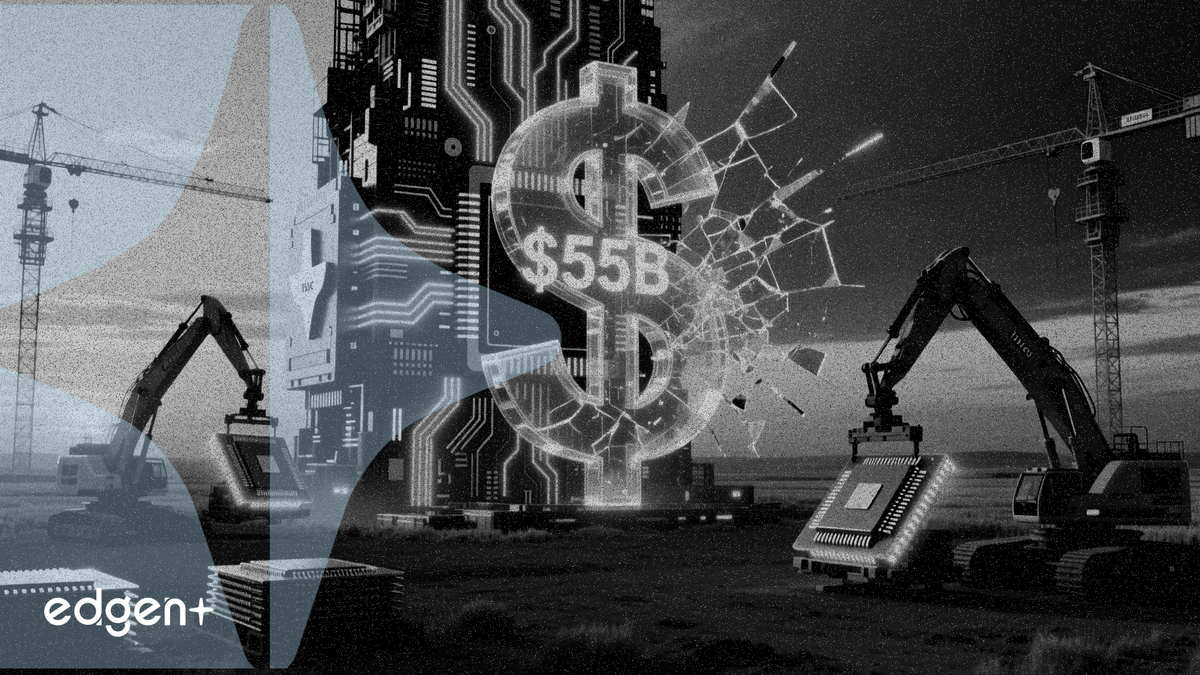
Một công ty vỏ bọc liên kết với Elon Musk đã mua hơn 6.000 mẫu Anh tại Quận Grimes, Texas, mở đường cho một nhà máy chip trị giá 55 tỷ USD, được xếp vào hàng những khoản đầu tư bán dẫn lớn nhất trong lịch sử nước Mỹ.
Một công ty liên kết với Elon Musk đã mua hơn 6.000 mẫu Anh bên ngoài Houston cho một nhà máy chip trị giá 55 tỷ USD đang được lên kế hoạch, theo hồ sơ đất đai, thúc đẩy một trong những dự án bán dẫn lớn nhất nước Mỹ khi hệ sinh thái của tỷ phú này tiến sâu hơn vào lĩnh vực sản xuất chip trong nước.
Thực thể mang tên WIT Tech LLC đã mua ít nhất sáu thửa đất với tổng diện tích khoảng 6.000 mẫu Anh — tương đương gần 10 dặm vuông — tại Quận Grimes, theo hồ sơ đăng ký đất đai. Giá mua không được tiết lộ. Dự án Terafab, được đồng thúc đẩy bởi SpaceX, Tesla và xAI, nhằm mục tiêu sản xuất chip cho các ứng dụng trí tuệ nhân tạo và robot, với tổng vốn đầu tư có thể lên tới 119 tỷ USD.
Các quan chức địa phương cho biết Quận Grimes đang chuẩn bị cho một cuộc bỏ phiếu quan trọng về dự án, tín hiệu cho thấy quá trình chọn địa điểm đang bước vào giai đoạn cuối. Quyết định của quận sẽ xác định liệu dự án có được triển khai tại khu vực nông thôn cách Houston khoảng 60 dặm về phía tây bắc hay không.
Quy mô của nhà máy được đề xuất sẽ vượt xa hầu hết các nhà máy chip hiện có tại Mỹ. Khu phức hợp của TSMC tại Arizona, khoản đầu tư bán dẫn nước ngoài lớn nhất trong lịch sử nước Mỹ, có mức giá 40 tỷ USD cho ba nhà máy. Nhà máy của Samsung tại Taylor, Texas, có ngân sách 17 tỷ USD. Dự án của Intel tại Ohio được định giá 20 tỷ USD. Một Terafab trị giá từ 55 tỷ đến 119 tỷ USD sẽ vượt qua tất cả, có khả năng trở thành địa điểm sản xuất chip đắt đỏ nhất cả nước.
Tại sao Texas giành được thầu
Texas đã trở thành thỏi nam châm thu hút đầu tư bán dẫn, nhờ vào quỹ đất sẵn có, ưu đãi thuế và môi trường pháp lý thân thiện với doanh nghiệp. Quận Grimes, một khu vực nông thôn có ít phát triển công nghiệp, cung cấp diện tích rộng lớn cần thiết cho một khuôn viên megafab — một không gian có thể chứa các phòng sạch, trạm biến áp, cơ sở xử lý nước và nhà ở cho công nhân.
Những người hậu thuẫn dự án đến từ ba doanh nghiệp sử dụng nhiều vốn nhất của Musk. SpaceX mang đến kinh nghiệm sản xuất khối lượng lớn và quản lý chuỗi cung ứng. Tesla đóng góp chuyên môn về tích hợp dọc và tự động hóa. xAI cung cấp các yêu cầu về khối lượng công việc AI sẽ định hình kiến trúc của chip. Sự kết hợp này cho thấy Terafab được thiết kế không phải như một xưởng đúc thương mại mà như một nhà cung cấp nội bộ cho các tham vọng AI và robot của chính Musk.
Ý nghĩa đối với ngành công nghiệp chip
Nếu hoàn thành, Terafab sẽ bơm một công suất mới khổng lồ vào thị trường bán dẫn Mỹ hiện đang bị chi phối bởi TSMC, Samsung và Intel. Điều này cũng sẽ đại diện cho một thách thức trực tiếp đối với Nvidia, công ty có các bộ tăng tốc AI H100 và Blackwell đang cung cấp năng lượng cho phần lớn cơ sở hạ tầng AI hiện tại. Một nhà máy chip do Musk hậu thuẫn với sản xuất dành riêng cho hệ thống lái xe tự động của Tesla và các mô hình của xAI có thể thay đổi động lực mua sắm trong toàn ngành.
Cổ phiếu Nvidia, đang giao dịch ở mức gấp khoảng 35 lần thu nhập dự phóng, đã định giá nhu cầu chip AI bền vững. Một đối thủ cạnh tranh được vốn hóa tốt với nhu cầu nội bộ có thể siết chặt biên lợi nhuận theo thời gian, mặc dù việc sản xuất có thể còn nhiều năm nữa. Các nhà máy của TSMC tại Arizona cũng đối mặt với rủi ro về tiến độ — nhà máy đầu tiên bị trì hoãn đến năm 2025 — tạo ra một khoảng thời gian tiềm năng để Terafab thu hẹp khoảng cách.
Cuộc bỏ phiếu tại Quận Grimes dự kiến sẽ diễn ra trong những tuần tới. Nếu được chấp thuận, việc xây dựng có thể bắt đầu sớm nhất vào năm 2026, với sản xuất ban đầu có thể bắt đầu vào năm 2028 hoặc muộn hơn, tùy thuộc vào độ phức tạp của cơ sở và tiến độ lắp đặt thiết bị.
Bài viết này chỉ nhằm mục đích cung cấp thông tin và không cấu thành lời khuyên đầu tư.