

AI has rewritten the boom-and-bust logic of the memory chip industry, Micron's chief executive said, with data-center demand running about 50% ahead of what the company can supply.
AI has rewritten the boom-and-bust logic of the memory chip industry, Micron's chief executive said, with data-center demand running about 50% ahead of what the company can supply.
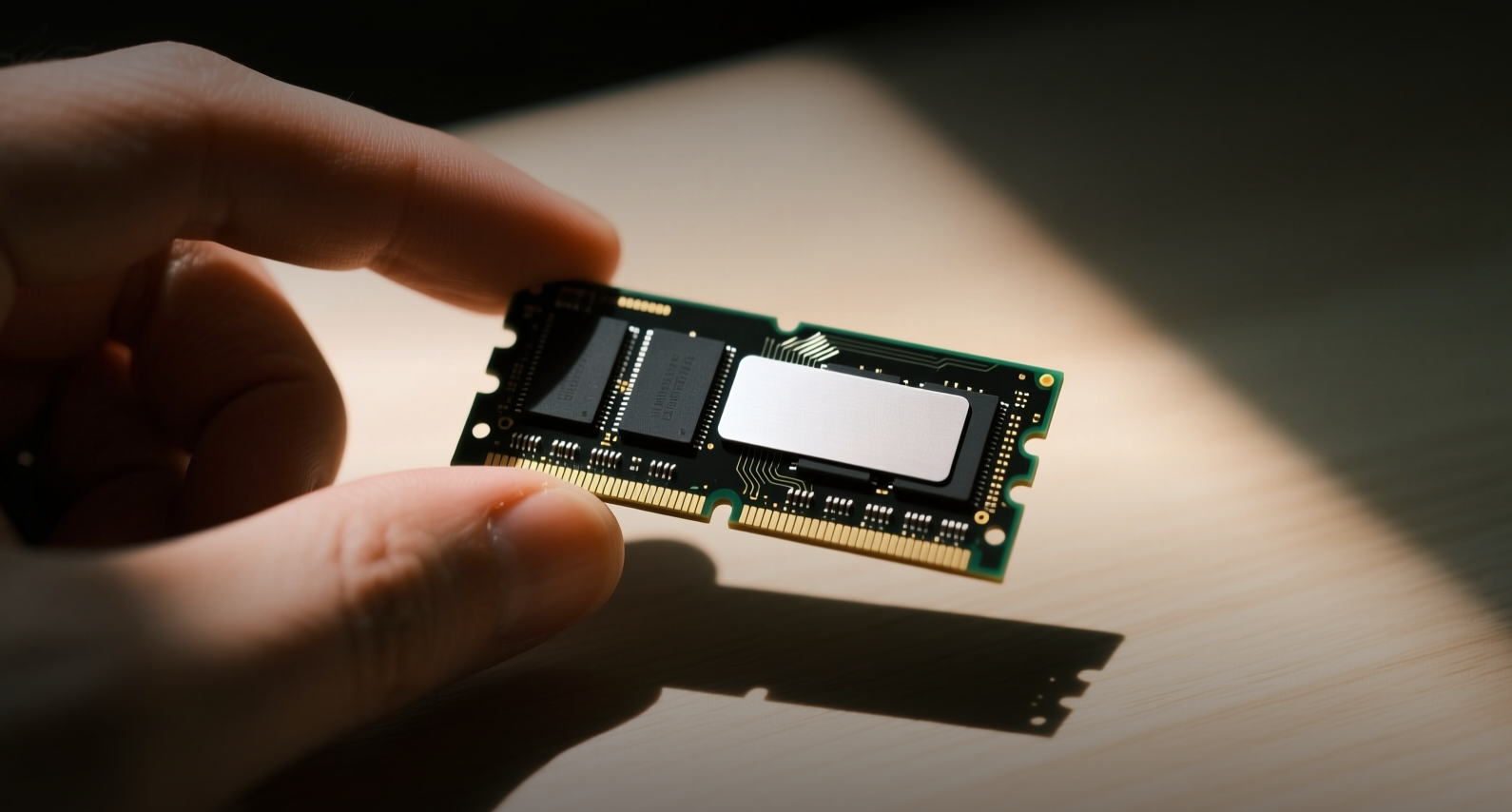
Micron Technology Chief Executive Sanjay Mehrotra said artificial intelligence has fundamentally changed the memory chip business, turning a historically cyclical commodity market into a strategic component of AI infrastructure. Data-center customers currently want roughly 50% more supply than Micron can commit, he said in a CNBC "Mad Money" interview Thursday.
"Today there is no AI without memory. AI systems need more memory. They need higher performance memory. They need lower power memory," Mehrotra said. "So, the value of memory, that equation has totally changed."
The shift is reshaping how Micron sells. Instead of soliciting bids and buying from the lowest-price supplier, customers now design memory alongside processors and systems, giving Micron earlier visibility into demand. The company has signed five-year strategic agreements with 16 customers as of its late-June earnings call, with more added since, locking in supply commitments that reduce exposure to spot-market swings. Mehrotra said all customers across end markets "will buy everything that we make."
The comments come as Micron pours $250 billion into U.S. manufacturing and research, including a Boise, Idaho, site with two fabs each roughly the size of 10 football fields. The first Boise fab is expected to begin producing wafers in mid-2027. Micron shares, which closed up 4.13% at $1,011.75 on Monday, fell 5% in pre-market trading Tuesday to around $956 as bulls and bears battle over the $1,000 level.
Memory has historically been a cyclical business — strong demand prompts capacity expansion, excess supply then drives down prices. Mehrotra, an engineer with more than 40 years in the chip industry who co-founded SanDisk, said AI is creating a more durable source of demand that extends beyond data centers. Autonomous vehicles, robots, and AI-enabled consumer devices will require increasingly large amounts of memory in the years ahead, he said.
"Memory today is essential," Mehrotra said. "That's why I call it the strategic infrastructure of the AI era."
The demand shift is also changing pricing power. Micron is working with customers earlier in their development cycles, making memory essential to system performance rather than a replaceable component. "Our customers recognize the value of memory, because memory is what is enabling them to design products that are driving growth engines for them," Mehrotra said.
The bullish case rests on pricing power driven by supply shortages in HBM3e and HBM4 high-bandwidth memory, with Morgan Stanley and JPMorgan issuing price targets ranging from $1,150 to more than $1,600. Bulls argue Micron's forward price-to-earnings ratio of 19-22x represents a discount to the tech giants' average of 35x. Elon Musk recently publicly emphasized that memory chip demand growth far exceeds global capacity supply.
Bearish pressure stems from institutional profit-taking — Q2 2026 13F filings show Stanley Druckenmiller's Duquesne Family Office and Bridgewater Associates reduced or liquidated Micron positions — and concerns that China's ChangXin Memory Technologies (CXMT) capacity expansion could bring oversupply after 2027.
The $1,000 level corresponds to a forward P/E of roughly 20-22x, which bulls view as a reasonable valuation for the AI memory growth phase. If the stock holds above that level on heavy volume, it confirms a technical breakout toward historic highs; repeated failure risks a double-top pattern and a retest of the $740 low.
This article is for informational purposes only and does not constitute investment advice.
