
Key Takeaways:
- 메이거 스마트(MeiG Smart), 난퉁에 AI R&D 및 제조 프로젝트 구축 예정.
- 새 프로젝트의 총 투자액은 3억 위안으로 설정됨.
- 고성능 AI 모듈, ASIC 서버 및 SIP 패키징 등에 집중할 예정.
Key Takeaways:
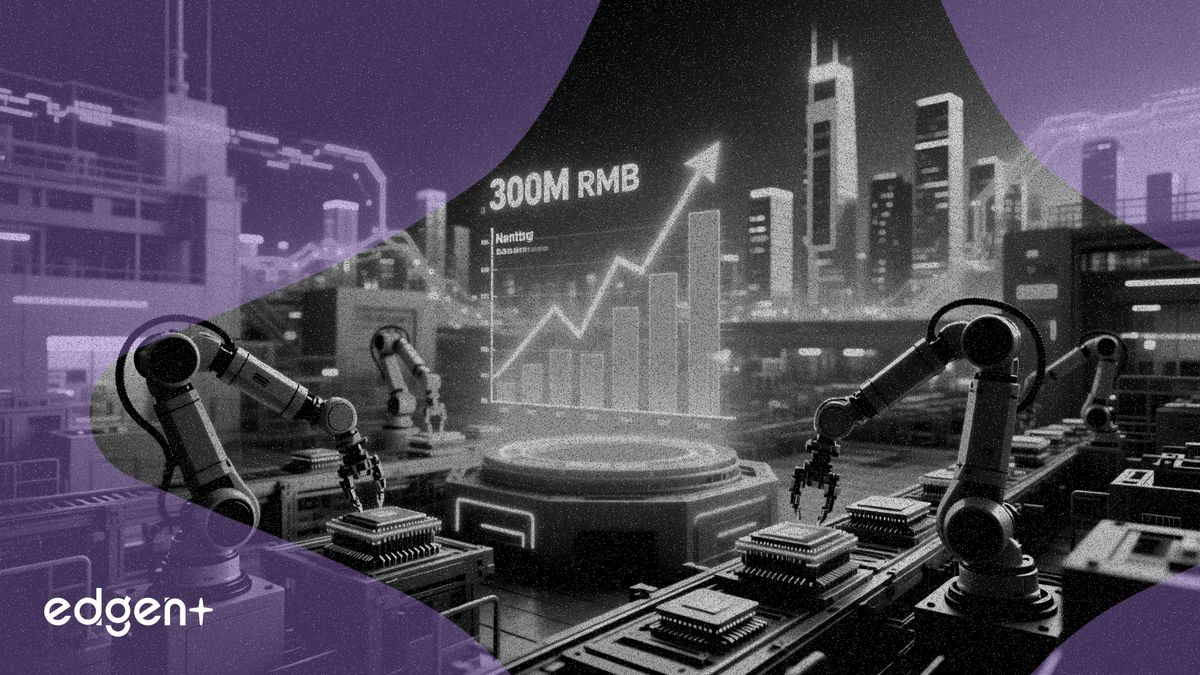
메이거 스마트 테크놀로지(MeiG Smart Technology)는 고성능 컴퓨팅 모듈 역량을 강화하고 중국의 급성장하는 AI 하드웨어 시장에서 경쟁하기 위해 새로운 AI 및 첨단 제조 프로젝트에 3억 위안을 투자할 계획입니다.
회사 공고에 따르면, 이번 투자는 새로운 시설이 들어설 난퉁 북부 하이테크 산업 개발구와의 계약 체결에 따른 것입니다.
이 프로젝트는 고성능 AI 모듈, 주문형 반도체(ASIC) 서버, 고출력 차량용 시스템 인 패키지(SIP) 모듈, 5G+AIoT 모듈을 위한 R&D 센터를 설립할 예정입니다. 또한 SIP 패키징과 같은 첨단 공정을 위한 파일럿 테스트 및 제조 기지도 포함되어 있어 메이거 스마트의 수직적 통합을 강화할 수 있는 위치를 확보하게 됩니다.
이번 3억 위안 규모의 투자는 현재 엔비디아와 화웨이 하이실리콘과 같은 현지 경쟁업체들이 장악하고 있는 국내 AI 인프라 시장에서 더 큰 점유율을 차지하려는 메이거 스마트의 전략적 추진력을 보여줍니다. 투자자들에게 이번 행보는 고성장 부문에 대한 상당한 자본 할당을 의미하지만, 성공 여부는 기존 칩 설계를 대체할 수 있는 경쟁력 있는 대안을 생산할 수 있는 프로젝트의 능력에 달려 있습니다.
난퉁 시설은 연구와 생산을 병행하는 종합 기지로 설계되었습니다. SIP와 같은 첨단 제조 공정에 집중함으로써 메이거 스마트는 데이터 센터에서 지능형 차량에 이르기까지 AI 애플리케이션에 필수적인 더욱 강력하고 효율적인 집적 회로를 만드는 것을 목표로 합니다.
맞춤형 ASIC 서버의 개발은 중국 전역의 기업들이 대규모 언어 모델을 구축함에 따라 수요가 높은 부문인 AI 워크로드 전용 하드웨어를 제공하겠다는 야심을 시사합니다. 이는 메이거 스마트를 다른 국내외 하드웨어 제공업체와 직접 경쟁하게 만듭니다. 이 이니셔티브의 성공은 외국 기술에 대한 의존도를 낮추고 중국 내부의 반도체 생태계를 강화할 수 있습니다.
메이거 스마트(002881.SZ)의 이번 투자는 중국이 기술 자급자족을 우선시하는 시점에 이루어졌습니다. 3억 위안 규모의 투자는 TSMC와 같은 거대 기업의 수십억 달러 규모 파운드리에 비하면 미미한 수준이지만, 고부가가치 AI 모듈 및 패키징 부문에 대한 집중적인 베팅입니다. 투자자들은 실행 마일스톤과 R&D 센터가 기존 시장 솔루션과 경쟁할 수 있는 설계를 내놓을 수 있을지 지켜볼 것입니다. 프로젝트의 장기적 가치는 경쟁이 치열한 AI 하드웨어 분야에서 설계 수주를 확보하고 수익에 기여할 수 있는 능력에 의해 측정될 것입니다.
이 기사는 정보 제공 목적으로만 작성되었으며 투자 조언을 구성하지 않습니다.
