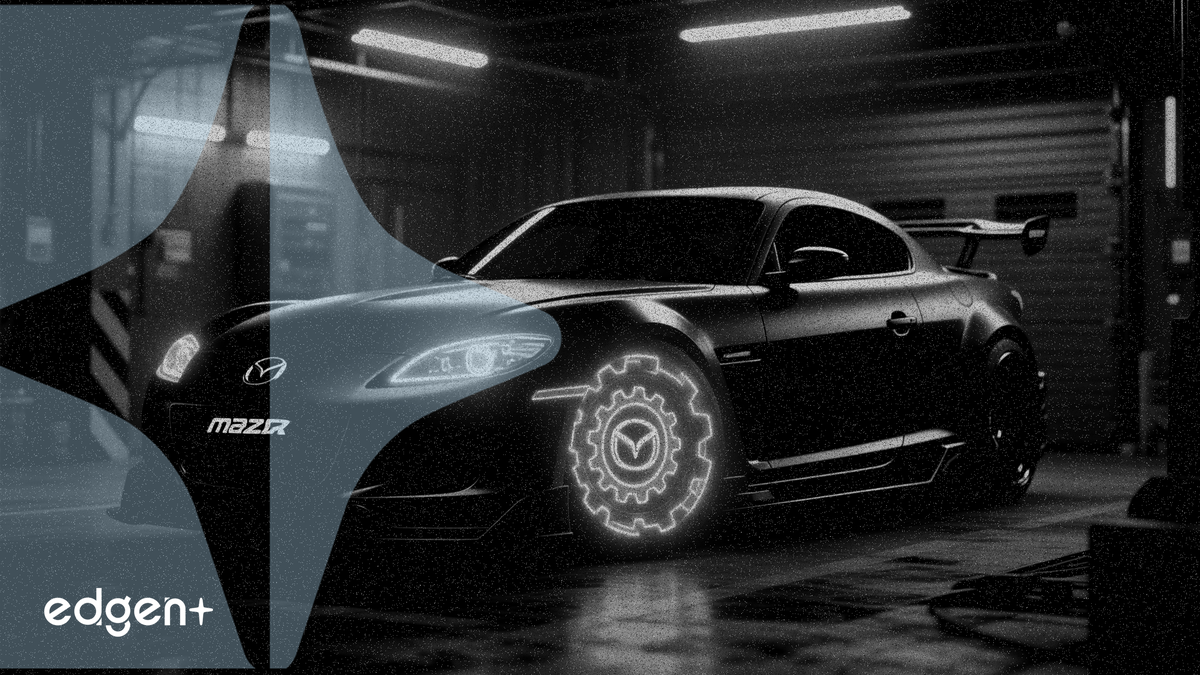
(P1) Mazda is signaling a potential return of its iconic rotary engine, with a new U.S. trademark filing for the RX-8 nameplate suggesting a revival for the sports car after a 12-year absence. The move points to a future where the high-revving, compact engine is paired with an electric drivetrain, positioning Mazda to compete with a unique hybrid offering.
(P2) The trademark application, filed on February 17, 2026, is the most concrete sign yet that Mazda is serious about bringing back the RX series. While the company has not officially confirmed a new model, the legal step to protect the name is a standard industry precursor to future product plans.
(P3) The original RX-8 was discontinued in 2012 as tightening emissions regulations, particularly in Europe, made its unique Wankel rotary engine unviable. Despite their smooth power delivery and compact size, rotary engines have historically faced challenges with fuel efficiency and emissions. Mazda recently reintroduced the engine as a generator in the MX-30 e-SkyActiv R-EV, a move that received a limited market response but proved the technology's viability in a hybrid context.
(P4) For investors, a new RX-8 serves as a halo product to reinforce Mazda’s brand identity around engineering passion in a market crowded with homogenous EVs. While not a volume seller, a rotary hybrid sports car could attract enthusiast buyers and allow Mazda to leverage its heritage without violating modern emissions standards, potentially creating a new niche in the performance vehicle segment.
A reborn RX-8 would almost certainly not be a purely gasoline-powered vehicle. The most probable powertrain configuration would involve using a next-generation rotary engine as a compact, lightweight onboard generator for a battery-electric system. This setup would provide the smooth, distinct feel of a rotary engine while relying on electric motors for primary propulsion, balancing performance with the stringent efficiency demands of the current market.
This strategy allows Mazda to differentiate itself from competitors who have gone all-in on conventional piston engines or pure battery-electric systems. By carving out a niche with a performance-oriented rotary hybrid, Mazda can appeal to a segment of driving enthusiasts who want innovative engineering and a more engaging experience than what typical EVs offer. The success of such a model would depend on its execution, particularly whether the hybrid system can deliver both the performance expected of an RX-badged car and the efficiency required by regulators.
The move is being watched closely by competitors like Toyota and Volkswagen, the latter of which is also expanding its own range of non-plug-in hybrids for its Golf and T-Roc models. While a niche product, a successful RX-8 revival could prove that there is still a market for combustion technology when paired with smart electrification, potentially influencing the long-term powertrain strategies of other automakers.
This article is for informational purposes only and does not constitute investment advice.