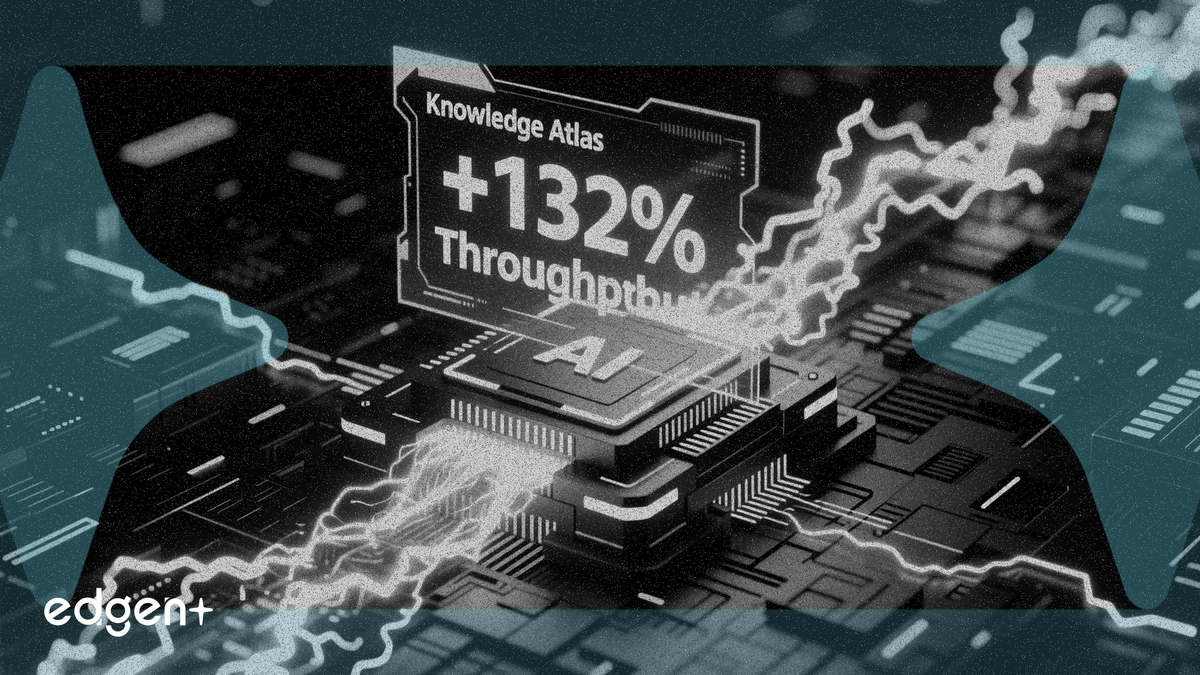
Yapay zeka kurulumunun yüksek maliyetlerine meydan okuyan bir hamleyle Knowledge Atlas (02513.HK), kodlama görevleri için GLM-5 modelinin işlem hızında %132'lik bir artış elde etti; bu, kurumsal yapay zeka benimsenmesi önündeki finansal engeli düşürebilecek önemli bir verimlilik kazanımı.
Şirket, teknik bir blog yazısında performans atılımını detaylandırarak, optimizasyonların ultra büyük ölçekli "Kodlama Ajanı" dağıtım senaryolarına odaklandığını belirtti. Şirketin mühendislik ekibi, "Temel mühendislik optimizasyonunun ardından GLM-5 serisi, sistem verimliliğinde %132'ye varan bir artış sağladı" diye yazdı.
Mühendislik raporu, iyileştirmelerin model kararlılığını da önemli ölçüde artırdığını ve sistemin anormal çıktı oranının 10.000'de yaklaşık 10'dan 10.000'de 3'ün altına düştüğünü belirtti. Knowledge Atlas ayrıca, popüler bir açık kaynaklı çıkarım çerçevesi olan SGLang'e bir pull request göndererek düzeltmesini daha geniş geliştirici topluluğuna sundu ve tüm kullanıcılar için temel teknolojiyi ilerletme taahhüdünün sinyalini verdi.
Bu atılım, yapay zeka benimsenmesinin önündeki en büyük engel olan devasa operasyonel maliyeti doğrudan ele aldığı için yatırımcılar için büyük önem taşıyor. İşlem hacmini (bir modelin belirli bir sürede gerçekleştirebileceği görev sayısı) artırarak şirketler, aynı donanımla daha fazla kullanıcıya hizmet verebilir ve genellikle Nvidia gibi sağlayıcıların GPU'larına dayanan pahalı yapay zeka altyapısının yatırım getirisini doğrudan iyileştirebilir.
Maliyetleri Düşürmek, Güvenilirliği Artırmak
Yüksek işlem hacmi ve düşük hata oranlarının ikili faydası, Knowledge Atlas'a zorlu bir rekabet avantajı sağlıyor. Geliştiricilerin kod yazmasına ve hata ayıklamasına yardımcı olan yapay zeka kodlama asistanlarını dağıtmak isteyen işletmeler için güvenilirlik, performans kadar kritiktir. Daha az hata üreten bir yapay zeka ajanı daha güvenilirdir ve daha az insan denetimi gerektirir, bu da operasyonel sürtünmeyi daha da azaltır.
Şirketin optimizasyonunu açık kaynaklı SGLang projesine geri bağışlama kararı da stratejik bir karardır. Bu, Knowledge Atlas'ın teknik bir lider olarak itibarını artırır ve yapay zeka geliştirme topluluğu içinde iyi niyet oluşturur. Bu, en iyi mühendislik yeteneklerini çekebilir ve geliştirilmiş SGLang çerçevesine aşina olan geliştiriciler tarafından modellerinin daha geniş çapta benimsenmesini teşvik edebilir. Spesifik düzeltme, SGLang topluluğuna #22811 numaralı Pull Request ile sunuldu.
Hong Kong Menkul Kıymetler Borsası'nda işlem gören bir kuruluş olan Knowledge Atlas için bu teknik ilerleme, daha güçlü bir pazar konumuna dönüşebilir. Yapay zeka endüstrisi olgunlaştıkça odak noktası saf model yeteneklerinden verimli, ölçeklenebilir ve uygun maliyetli dağıtıma kayıyor. GLM-5 serisinin bu alandaki kanıtlanmış performansı, yeni bir kurumsal müşteri dalgasını çekebilir, gelir artışını teşvik edebilir ve kalabalık bir pazarda net bir fark yaratan özellik sunabilir.
Bu makale sadece bilgilendirme amaçlıdır ve yatırım tavsiyesi teşkil etmez.