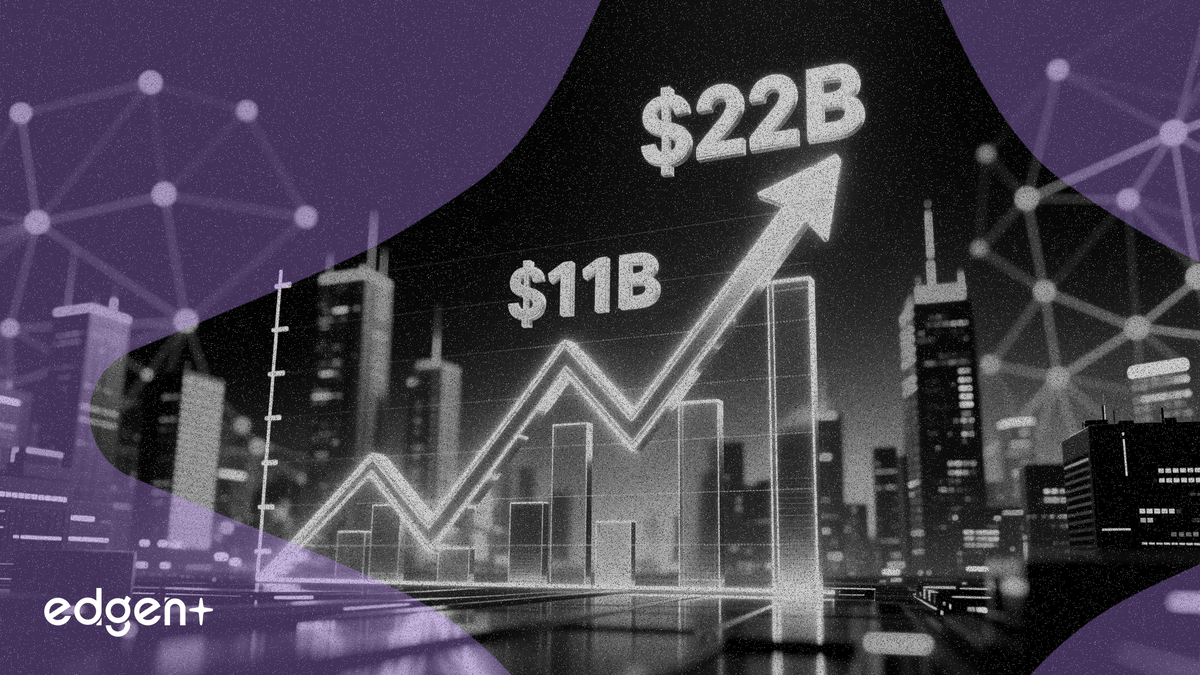
미래 사건의 결과에 대해 거래하는 플랫폼인 칼시(Kalshi)가 펀딩 라운드에서 10억 달러를 유치했습니다. 이번 라운드에서 기업 가치는 220억 달러로 평가되었으며, 이는 지난 12월 이후 두 배로 뛴 수치로, 신흥 핀테크 부문인 예측 시장에 대한 투자자들의 관심이 가속화되고 있음을 보여줍니다.
이번 라운드를 주도한 코튜 매니지먼트(Coatue Management)의 성장 투자 부문 공동 책임자인 루카스 스위셔(Lucas Swisher)는 DealBook에 "말 그대로 AI 외에는 이런 성장을 보이는 분야가 없습니다"라고 말했습니다.
이번 신규 자금 조달로 칼시는 시장 상품을 확장하고 대규모 기관 사용자를 유치할 수 있는 상당한 자본을 확보하게 되었습니다. 뉴욕 타임스 보고서에 따르면, 이 회사의 연간 거래액은 1,780억 달러로 급증했으며 지난 6개월 동안 3배 이상 증가했습니다. 이로 인해 월간 사용자 200만 명을 기반으로 한 연간 매출은 15억 달러를 넘어섰습니다. 이번 라운드에는 세쿼이아 캐피털, 안드레센 호로위츠, IVP, 패러다임(Paradigm), 모건 스탠리 및 ARK 인베스트를 포함한 저명한 벤처 및 전략적 투자자들이 참여했습니다.
투자자들에게 이번 거래는 칼시가 연방 규제를 받는 새로운 대체 투자 카테고리의 리더로서의 입지를 공고히 하는 계기가 되었습니다. 이는 종종 불투명한 역외 스포츠 도박 세계와는 뚜렷한 차이점입니다. 이 플랫폼의 성장은 NBA 플레이오프 경기 결과부터 연방준비제도의 향후 금리 변동에 이르기까지 모든 것에 대해 거래하고자 하는 사용자들을 위한 거대한 잠재 시장이 존재함을 시사하며, 이 모든 것은 상품선물거래위원회(CFTC)의 감독 하에 운영됩니다.
규제된 대안
전통적인 스포츠 베팅 업체와 달리, 칼시는 지정 계약 시장(DCM)으로 운영되며, 사용자는 특정 사건이 발생할 확률에 대한 계약을 매수 및 매도합니다. 사건이 발생하면 계약은 1달러를 지급합니다. 예를 들어, 오클라호마시티 썬더가 승리할 확률이 86%인 경기에 대한 '예(Yes)' 계약은 0.87달러일 수 있으며, 팀이 승리하면 거래자는 계약당 0.13달러의 수익을 얻습니다. 이러한 구조를 통해 사용자들은 스포츠부터 경제 데이터 발표, 정치적 결과에 이르기까지 모든 것에 대한 자신의 확신을 바탕으로 거래할 수 있습니다.
CFTC의 감독 하에 미국 대부분의 주에서 합법적으로 운영할 수 있는 칼시의 능력은 강력한 진입 장벽을 제공하며, 일반 사용자뿐만 아니라 점점 더 정교해지는 기관 자본을 유치하는 신뢰성을 제공합니다. 전략적 투자자로 모건 스탠리가 참여한 것은 이러한 시장이 헤징 및 투기를 위한 새로운 도구로 활용될 가능성에 대한 월스트리트의 높아진 관심을 강조합니다.
확보된 신규 자본은 추가적인 제품 개발 및 사용자 확보에 투입될 예정입니다. 칼시는 NBA 플레이오프와 같은 주요 이벤트와 연계된 프로모션 혜택을 통해 신규 사용자에게 적극적으로 마케팅을 펼치며 스포츠 팬과 베팅 애호가들을 이벤트 트레이더로 전환시키는 것을 목표로 하고 있습니다. 급격히 증가하는 사용자 및 매출 수치에서 알 수 있듯이 이 전략은 효과를 거두고 있는 것으로 보입니다. 이번 가치 상승으로 칼시는 가장 가치 있는 비상장 핀테크 기업 중 하나로 자리매김했으며, 고성장 및 카테고리 정의 기업에 대한 벤처 캐피털 시장의 선호도를 보여주는 핵심 지표가 되었습니다.
이 기사는 정보 제공 목적으로만 작성되었으며 투자 조언을 구성하지 않습니다.