

A hawkish Federal Reserve is now expected to hold interest rates steady through 2026, a significant shift from prior expectations of rate cuts, according to a new forecast from JPMorgan.
A hawkish Federal Reserve is now expected to hold interest rates steady through 2026, a significant shift from prior expectations of rate cuts, according to a new forecast from JPMorgan.
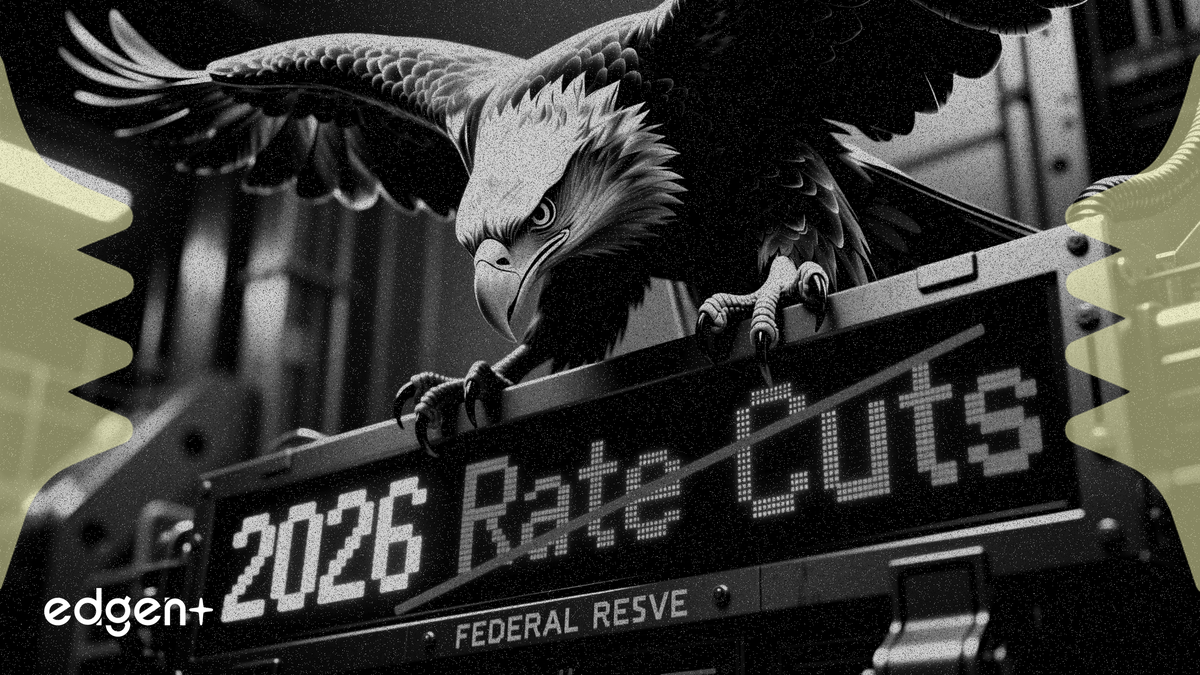
The Federal Reserve is signaling a distinctly more hawkish policy stance, with JPMorgan’s Michele now forecasting that the central bank will refrain from cutting interest rates for the rest of 2026. This outlook reflects a growing concern among policymakers regarding the persistence of inflation, even as the U.S. economy shows signs of stability.
"The Fed is clearly moving towards a symmetrical policy stance," said Michele, a strategist at JPMorgan. He noted that officials have become more vocal about their worries over the price level, a shift that has effectively closed the door on near-term easing and paves the way for Chair Jerome H. Powell's expected departure.
The Fed concluded its latest meeting by holding the federal funds rate steady in a 3.5 to 3.75 percent range, the third consecutive meeting with no change. The decision, however, saw the highest level of dissent among policymakers since 1992, showing a growing debate internally. The committee is grappling with conflicting economic signals: a resilient job market that could argue for lower rates, and a surge in energy prices, exacerbated by the war in Iran, that is fueling inflation.
This policy hold has immediate consequences for consumers. While rates on 30-year fixed mortgages have recently trended lower to 6.23 percent, other borrowing costs, such as for credit cards and auto loans, remain elevated, according to data from Bankrate and Edmunds. The average interest rate on credit cards was recently 19.57 percent. Meanwhile, the World Bank projects the conflict in Iran could cause energy prices to surge 24 percent this year, further complicating the Fed's inflation fight.
The central bank's hawkish pivot comes at a moment of significant transition. Jerome Powell's term as chair is set to expire on May 15, and President Trump's nominee, Kevin M. Warsh, is moving closer to confirmation. The Senate Banking Committee advanced Warsh's nomination on a party-line vote of 13-11.
While the White House has expressed a desire for lower borrowing costs, the current inflationary environment makes that a difficult path for any Fed chair. Even some of President Trump's supporters, including Treasury Secretary Scott Bessent, have endorsed a "wait and see" approach. The primary debate within the Fed has shifted from when to cut rates to whether rate increases might need to be back on the table to contain price pressures.
Adding another layer of complexity is the question of Powell's future. While his term as chair is ending, he is eligible to remain on the Board of Governors until 2028. His decision may hinge on the conclusion of a Justice Department investigation into renovations at the Fed's headquarters, an inquiry he has described as politically motivated. An extended stay by Powell could create an unusual dynamic for the incoming chair.
For now, the Fed's message is one of heightened vigilance on inflation. The next policy meeting is scheduled for mid-June, and market participants will be watching closely for any change in tone or forward guidance from the new leadership. Until there is clear and sustained evidence that inflation is returning to the Fed's 2 percent target, the prospect of lower interest rates in 2026 appears increasingly remote.
This article is for informational purposes only and does not constitute investment advice.

