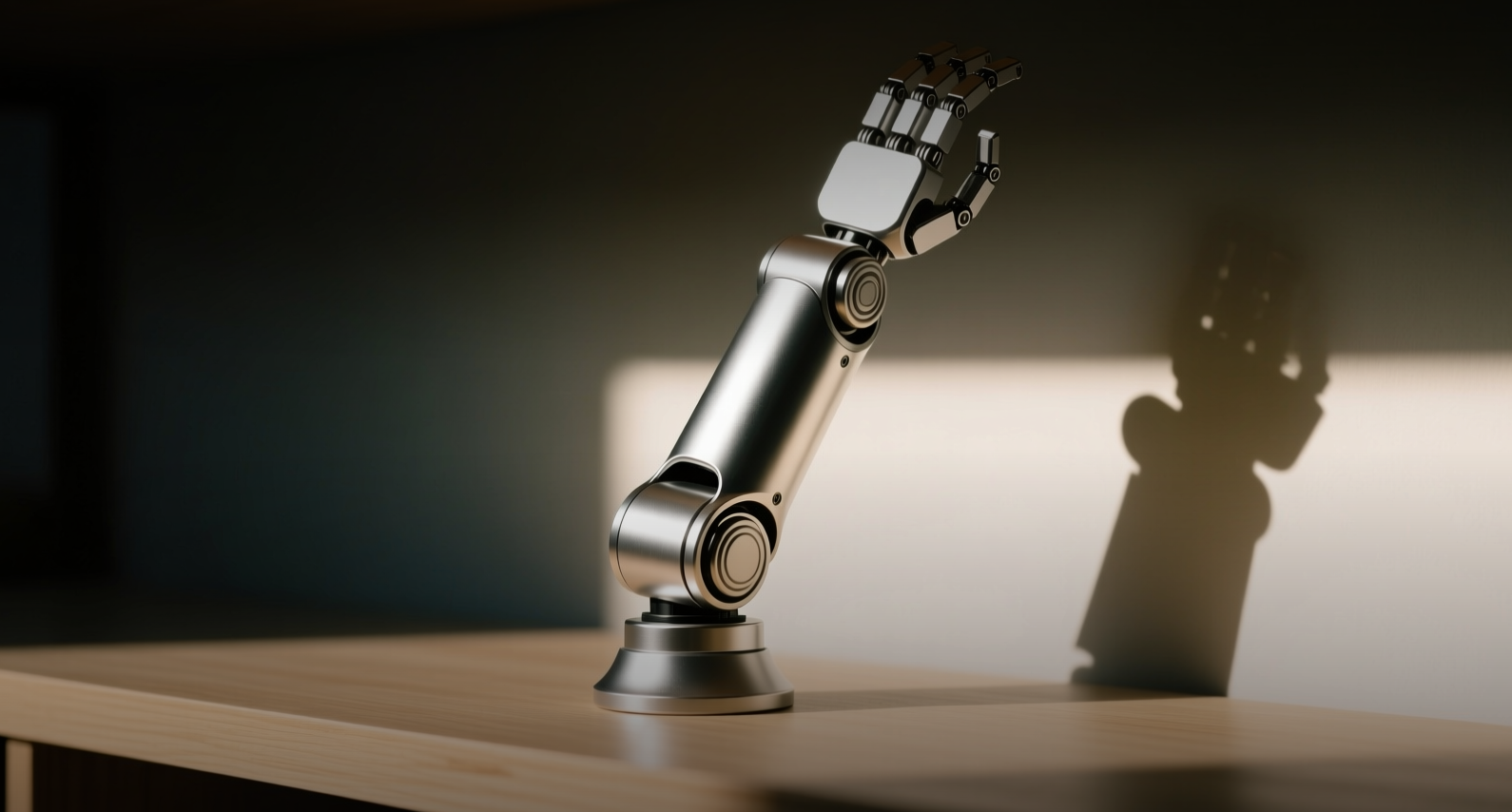
Japan is betting $2.3 trillion on a national AI strategy that pairs a homegrown foundation model with 10 million physical robots — the most ambitious sovereign AI plan announced by any government to date.
Japan plans to deploy 10 million AI-powered robots across 18 industries by 2040 and develop a domestic multimodal foundation model, committing up to 1 trillion yen ($6.1 billion) in performance-linked funding over five years. The initiative is part of a broader 14-year growth strategy targeting 370 trillion yen ($2.3 trillion) in public and private investment across 17 priority sectors including physical AI, semiconductors, quantum technology and nuclear fusion.
"This strategy sets a target of approximately 10 million robots to be deployed by 2040 and, with the addition of the restaurant, food manufacturing and medical sectors, will vigorously promote social implementation across a total of 18 fields," Industry Minister Ryosei Akazawa told reporters. "We will build and grow data infrastructure for physical AI and robots that capitalize on Japan's strengths."
The project is led by Noetra, a consortium majority-owned by SoftBank, NEC, Sony Group and Honda, with Fujitsu and Rakuten evaluating participation. The government expects the investor base to grow to 44 companies spanning automotive, electronics, manufacturing, finance and logistics. An initial version of the multimodal model — capable of processing language, images, video and sensor data simultaneously — is due as early as this fiscal year, with annual upgrades to follow.
The funding structure includes a built-in safeguard: only the first two years are locked in, with subsequent disbursements reviewed annually through a stage-gate process. The current fiscal year's commission is worth roughly $2.3 billion, drawn from a 387.3 billion yen allocation funded through GX Economy Transition Bonds. The 1 trillion yen figure is a ceiling, not a guarantee — Tokyo can pull back if Noetra misses its milestones.
Why Physical AI, and Why Now
Japan's demographic math leaves little room for alternatives. The population has been declining for decades and is projected to shrink by more than 20% by 2040, threatening to cripple labor-dependent industries from elder care to manufacturing. Rather than loosening immigration policy, the government is doubling down on automation as the primary solution.
The country's industrial base gives it a running start. Japan accounts for roughly half of global industrial robot production, with companies like FANUC, Yaskawa Electric and Kawasaki Heavy Industries dominating factory automation. The manufacturing sector already has one of the highest robot densities in the world, providing a ready deployment infrastructure for AI-equipped machines.
Physical AI — artificial intelligence deployed in real-world settings such as self-driving cars, factory robots and humanoid assistants — represents a shift from the chatbot-centric AI competition that has dominated headlines. Instead of competing primarily on language model benchmarks, Japan is betting that the next frontier of AI value creation lies in machines that can perceive, navigate and act in physical environments.
Competitive Landscape and Investment Implications
The timing is not coincidental. South Korea announced record public-private investments worth hundreds of billions of dollars into AI data centers and chipmaking within days of Japan's confirmation, framing physical AI as the next front in a competition that has mostly been fought over cloud contracts and large language models.
For investors, the plan creates multi-year revenue visibility across Japan's technology supply chain. SoftBank, as Noetra's lead investor, gains a direct channel to national AI infrastructure spending. Sony's imaging sensor business and Honda's robotics division are positioned to supply hardware for the 10 million-unit deployment target. NEC's expertise in edge computing and telecommunications infrastructure aligns with the data pipeline requirements of physical AI systems.
The real test is not the 2040 target but the first stage-gate review. If Noetra delivers a usable model this fiscal year, the consortium is likely to expand well beyond its current four members. If it stalls, the funding structure gives Tokyo every reason to walk away rather than prop up a stalled national project. Either outcome will set a precedent for how governments approach sovereign AI — as a procurement program with milestones, not a blank check.
This article is for informational purposes only and does not constitute investment advice.