

Jabil's AI infrastructure business is on track to nearly double revenue in fiscal 2026, but supply-chain constraints could temper the pace.
Jabil's AI infrastructure business is on track to nearly double revenue in fiscal 2026, but supply-chain constraints could temper the pace.
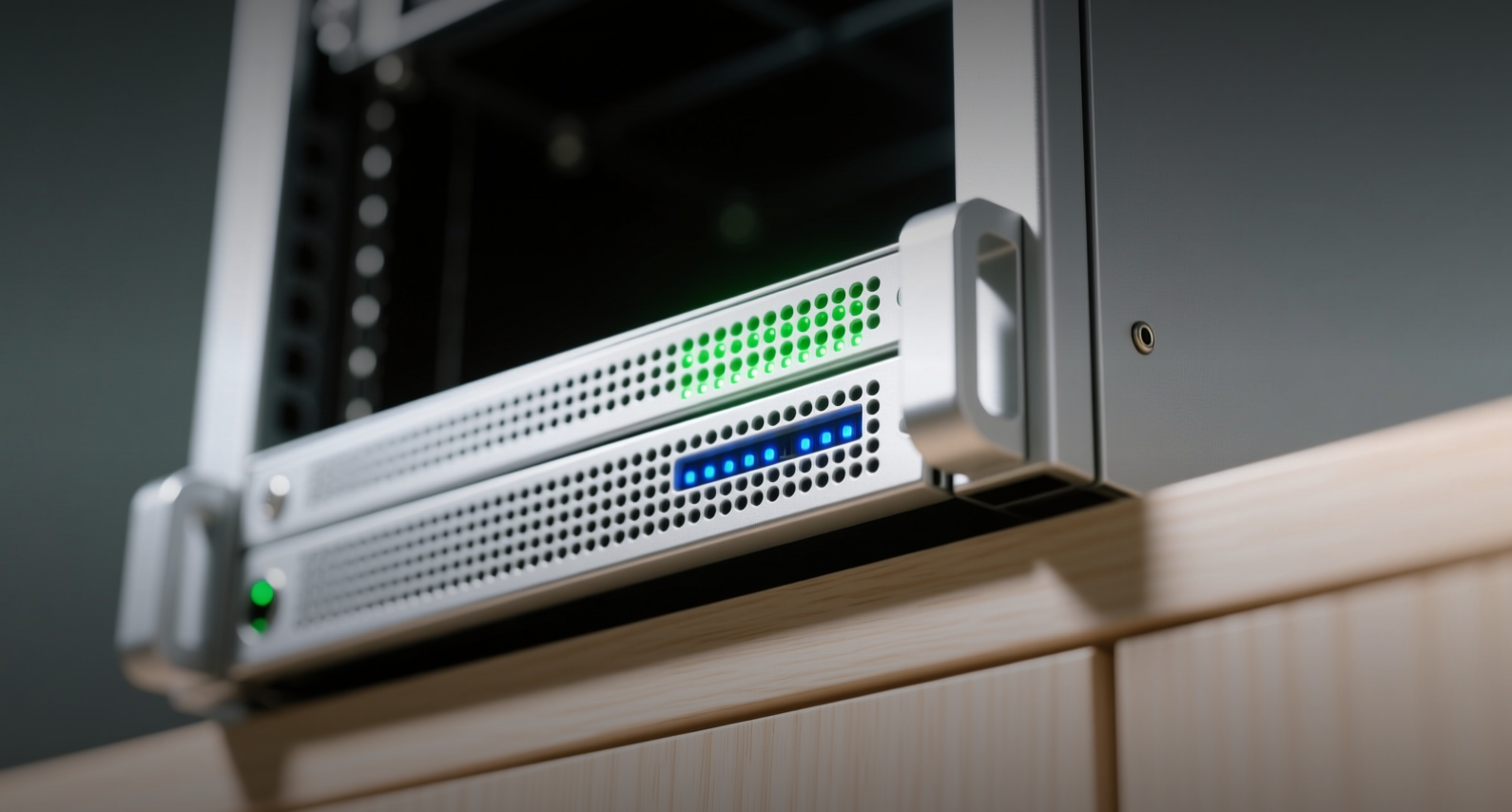
Jabil's AI infrastructure business is projected to generate approximately $13.6 billion in fiscal 2026 revenue, up from $9 billion a year earlier, as hyperscaler spending on data center buildouts accelerates.
"Product road maps from Amazon, Meta and Google could mean faster growth than previously expected," UBS analyst David Vogt said in a note upgrading Jabil to Buy from Neutral.
Jabil's fiscal third-quarter revenue rose 11.8% year over year to $8.75 billion, with core diluted EPS climbing 23.9% to $3.16, beating the Zacks Consensus Estimate. The company raised its full-year revenue outlook to approximately $35 billion and core EPS to about $12.70, while lifting adjusted free cash flow guidance above $1.4 billion.
The AI buildout is reshaping the electronics manufacturing services industry, with Jabil, Flex and Celestica competing for hyperscaler contracts. Jabil shares have gained 68.4% over the past year, and UBS sees nearly 28% further upside to its $430 price target.
Hyperscaler Relationships Deepen
Jabil won its third hyperscale customer in the fiscal third quarter, expanding beyond its existing relationships with Amazon, Meta and Google. Amazon remains the company's largest AI partner, with plans to accelerate deployment of its Graviton CPUs and Trainium AI ASICs over the next several years, according to UBS. The firm said these product road maps could drive faster growth than previously expected, particularly as Amazon scales its custom silicon across AWS regions.
The company's end-to-end portfolio spans computing, storage, networking, optics, power and cooling, allowing it to compete across multiple layers of the AI data-center buildout. Growing demand for InfiniBand and Ethernet networking equipment, along with switchgear and silicon photonics, is driving additional revenue streams. Jabil's ability to integrate racks, manage liquid cooling and deliver power systems gives it a differentiated position versus traditional contract manufacturers that focus on single components.
To support extended demand, Jabil is expanding manufacturing capacity across the United States, Mexico and India. The company and Adani Enterprise are exploring a strategic alliance to build a multi-gigawatt AI data-center infrastructure manufacturing platform in India, which could produce AI racks, liquid-cooled racks, servers, storage systems and networking equipment. If realized, the partnership would give Jabil a manufacturing foothold in one of the fastest-growing data center markets, where hyperscalers are investing heavily to serve domestic AI demand.
Competitors Are Scaling Too
Flex's Cloud and Power Infrastructure segment posted revenue of $2.2 billion in the fiscal first quarter, up 35% year over year, led by power and cooling programs for newer AI systems. Flex is developing high-density power solutions and cooling technologies to serve the latest AI workloads, making it a direct competitor to Jabil in the rack integration space.
Celestica's Connectivity & Cloud Solutions revenue rose 84% to $3.81 billion, with segment margin improving to 8.7% from 8.3% as hyperscale demand remained strong. The company is ramping 800G networking programs and preparing for broader 1.6T deployments, targeting the same high-speed networking segment that Jabil is pursuing.
Supply-chain pressures remain a constraint across the industry. Rapid AI infrastructure expansion has tightened supply of high-bandwidth memory and high-density interconnect PCBs, extending lead times for certain components. These bottlenecks could slow production ramp schedules for all three companies, even as order books remain full.
Jabil trades at 22.09 times forward earnings, slightly above the industry average of 21.91. Earnings estimates for fiscal 2026 have risen 3.07% to $12.74 per share over the past 60 days, while fiscal 2027 estimates climbed 12.93% to $16.59. The stock carries a Zacks Rank #2 (Buy), with a Momentum Score of A and a VGM Score of A, though its Value Score of C suggests the rally has already priced in much of the near-term growth.
UBS forecasts Jabil's AI-related revenue growing about 50% to $20.3 billion in fiscal 2027. The company's expansion into India and deepening hyperscaler relationships could help it capture a larger share of the AI infrastructure market, though execution risks tied to capacity ramp and component availability could limit near-term upside. For investors, the key question is whether Jabil can sustain margin expansion as it scales — core operating margin improved to 5.8% in the latest quarter, and management expects that level to hold for the full year.
This article is for informational purposes only and does not constitute investment advice.
