


A new strategic collaboration between IBM and Arm aims to reshape the enterprise computing landscape, targeting the dominance of existing players in the multi-billion dollar AI hardware market.
A new strategic collaboration between IBM and Arm aims to reshape the enterprise computing landscape, targeting the dominance of existing players in the multi-billion dollar AI hardware market.
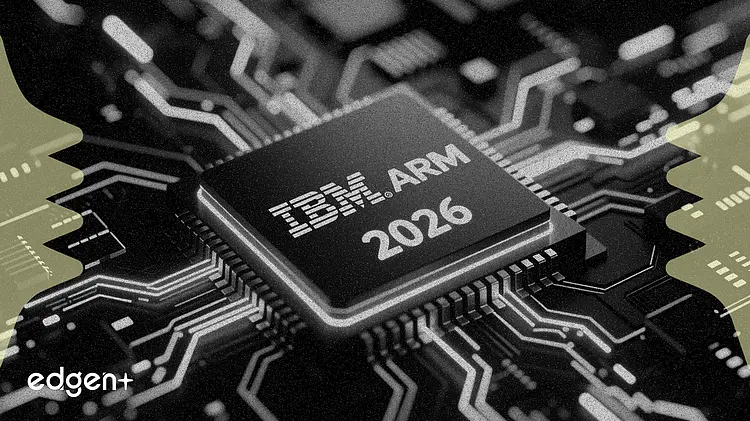
A new strategic collaboration between IBM and Arm aims to reshape the enterprise computing landscape, targeting the dominance of existing players in the multi-billion dollar AI hardware market.
IBM announced on April 2, 2026, a strategic collaboration with Arm to create new dual-architecture hardware, a move designed to provide enterprises more flexibility for future AI and data-intensive computing tasks. The partnership aims to advance new technologies that expand infrastructure choice while preserving mission-critical environments for enterprises.
"This collaboration will empower enterprises to accelerate their AI adoption with hardware that offers unprecedented choice and flexibility," an IBM spokesperson said in the announcement.
The partnership will focus on developing hardware that combines the strengths of both IBM and Arm architectures. While specific performance metrics have not yet been disclosed, the goal is to deliver a platform that enhances reliability and security for mission-critical AI applications, a direct response to enterprise customer feedback.
The move positions IBM and Arm to challenge current leaders in the enterprise AI hardware sector, potentially disrupting a market valued in the hundreds of billions. For investors, this collaboration could unlock significant value for both IBM (NYSE: IBM) and Arm, as they aim to capture a larger portion of the rapidly expanding AI infrastructure space ahead of the planned 2026 technology rollout.
The collaboration centers on creating a "dual-architecture" system, which suggests a hybrid approach to processing. This could involve combining IBM's expertise in high-performance computing with Arm's energy-efficient processor designs, which are prevalent in mobile and edge computing. Such a system would allow enterprises to run diverse AI workloads, from large-scale model training to real-time inference, on a single, optimized platform. The initiative directly targets the need for greater flexibility in a market largely dominated by single-architecture solutions from competitors like Nvidia and Intel.
This strategic alliance is a significant maneuver by both IBM and Arm to increase their footprint in the lucrative AI hardware market. By joining forces, they present a more formidable challenge to the established players. The announcement signals a clear intent to offer an alternative for enterprises looking to avoid vendor lock-in and optimize their infrastructure for specific AI tasks. The success of this collaboration could lead to increased competition, driving further innovation and potentially altering the pricing dynamics across the AI hardware industry.
This article is for informational purposes only and does not constitute investment advice.