

GRAIL's Galleri blood test, designed to detect multiple cancer types from a single draw, faces its first FDA advisory committee review on Sept. 23.
GRAIL's Galleri blood test, designed to detect multiple cancer types from a single draw, faces its first FDA advisory committee review on Sept. 23.
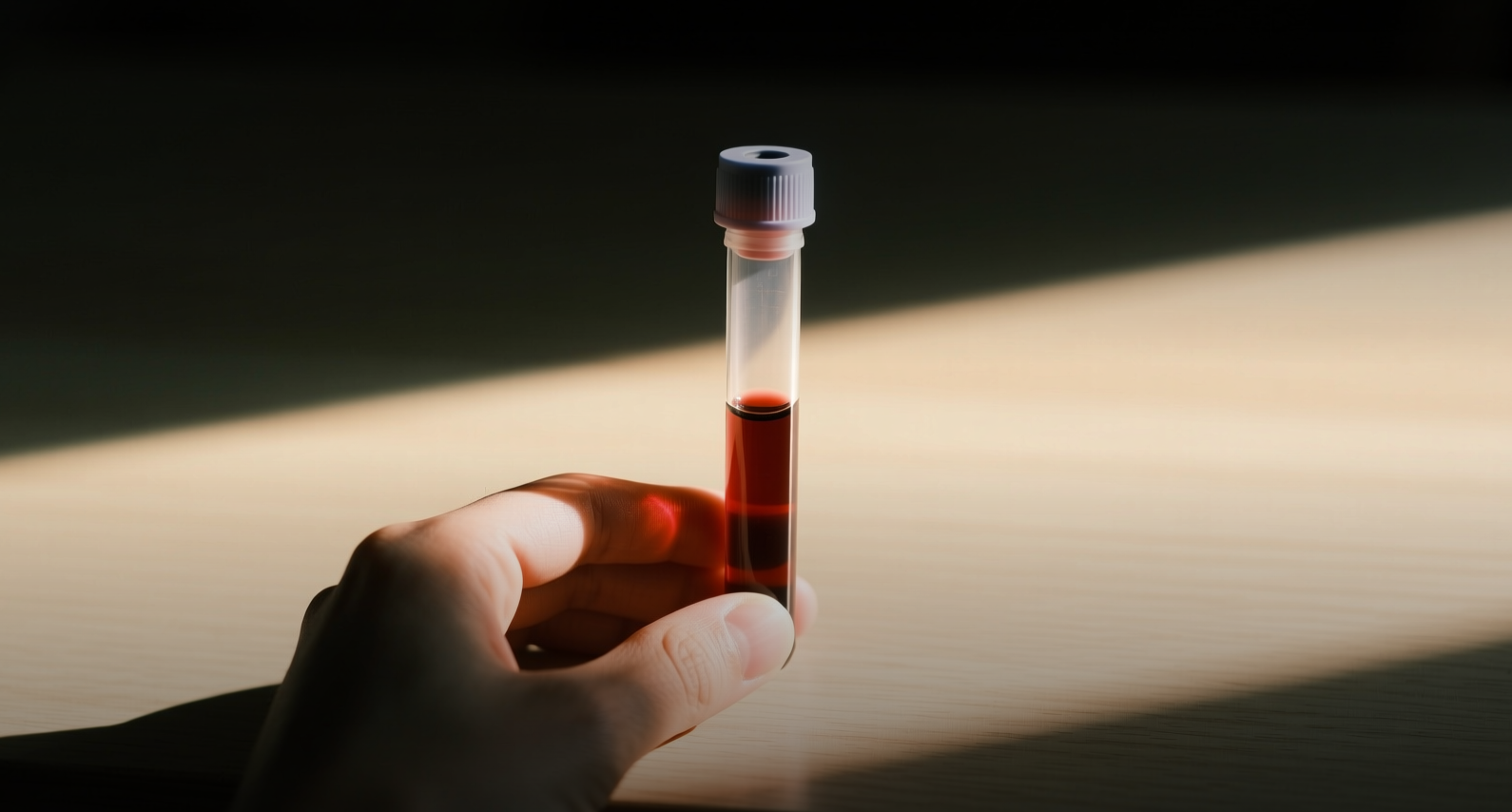
The FDA's Molecular and Clinical Genetics Panel will meet Sept. 23 to review GRAIL's Premarket Approval application for the Galleri multi-cancer early detection blood test, the first PMA for an MCED device.
"Today, the status quo in cancer screening is simply unacceptable," Josh Ofman, CEO at GRAIL, said. "Many cancers are detected too late, after symptoms appear and the disease is too advanced for effective or curative-intent treatments."
GRAIL submitted its PMA application Jan. 29, and the FDA designated Galleri as a Breakthrough Device in 2018. The submission draws on 25,490 consented participants with one year of follow-up in the US-based PATHFINDER 2 study, plus data from more than 70,000 participants in the intervention arm of the NHS-Galleri trial, the largest randomized controlled trial of an MCED test in an intended use population.
An FDA approval would give GRAIL a regulated foothold in the multi-cancer screening market, where the company reported Q2 Galleri revenue of $42.6 million, up 24 percent year-over-year, on test volume of more than 61,000. The company holds $861.6 million in cash and short-term securities as of June 30.
The Galleri test works by detecting cancer-specific methylation patterns in cell-free DNA — chemical modifications that differ between cancer and normal cells. When a cancer signal is detected, the test predicts the signal's origin with more than 90 percent accuracy, according to PATHFINDER 2 data presented at the 2026 ASCO Annual Meeting, helping clinicians direct diagnostic workups. The test is intended to complement, not replace, guideline-recommended screenings such as mammography, colonoscopy, and PSA testing. Galleri is recommended for adults with elevated cancer risk, such as those aged 50 or older.
Clinical data underpinning the PMA submission showed that adding Galleri to standard-of-care screening increased cancer detection fourfold in the NHS-Galleri trial. The test detected 366 Stage I and II cancers, more than the 290 cancers of any stage detected through the entirety of the UK's standard-of-care screening program in the control arm. Of the 937 cancers detected by Galleri, approximately 70 percent were Stage I through III, and the addition of Galleri was associated with a 25 percent reduction in cancers diagnosed after emergency presentation.
In PATHFINDER 2, adding Galleri to recommended screenings enabled approximately 60 percent of cancers to be identified by screening — a 6.5x increase compared with USPSTF A and B recommended screenings alone. Fifty-three percent of newly detected cancers were identified in Stage I and II, and nearly half were cancers without recommended screening options.
The MCED competitive field
GRAIL's PMA filing comes as other companies pursue multi-cancer detection. Exact Sciences, best known for its Cologuard colorectal screening test, has been developing its own MCED platform, while Guardant Health's Shield test targets colorectal cancer from a blood draw. GRAIL's Ofman argues Galleri is differentiated by its clinical evidence base: "Galleri is the only MCED test supported by large interventional and randomized, controlled studies in intended use populations." The PMA pathway requires clinical data demonstrating safety and effectiveness, a higher bar than the 510(k) clearance used for many diagnostic devices.
The company has also been expanding commercial access. In June, GRAIL completed a $110 million equity financing with Samsung C&T Corporation and Samsung Electronics, with plans to commercialize Galleri in South Korea and potentially expand into Japan and Singapore. GRAIL also announced a collaboration with Priority Health, making it the first Michigan health plan to offer Galleri to self-insured employer groups.
GRAIL shares trade on Nasdaq under the ticker GRAL. The company reported a Q2 net loss of $110.2 million, an improvement of 3 percent year-over-year, with adjusted gross profit of $21.6 million, up 34 percent. The advisory committee outcome, expected after the Sept. 23 meeting, will determine whether Galleri can transition from a laboratory-developed test sold under CLIA certification to a fully FDA-approved medical device — a distinction that could affect reimbursement, physician adoption, and competitive positioning against rivals pursuing similar regulatory pathways.
This article is for informational purposes only and does not constitute investment advice.
