

Google's push to build its own AI chips sent shares up 3.6%, signaling the search giant's bid to cut dependence on Nvidia.
Google's push to build its own AI chips sent shares up 3.6%, signaling the search giant's bid to cut dependence on Nvidia.
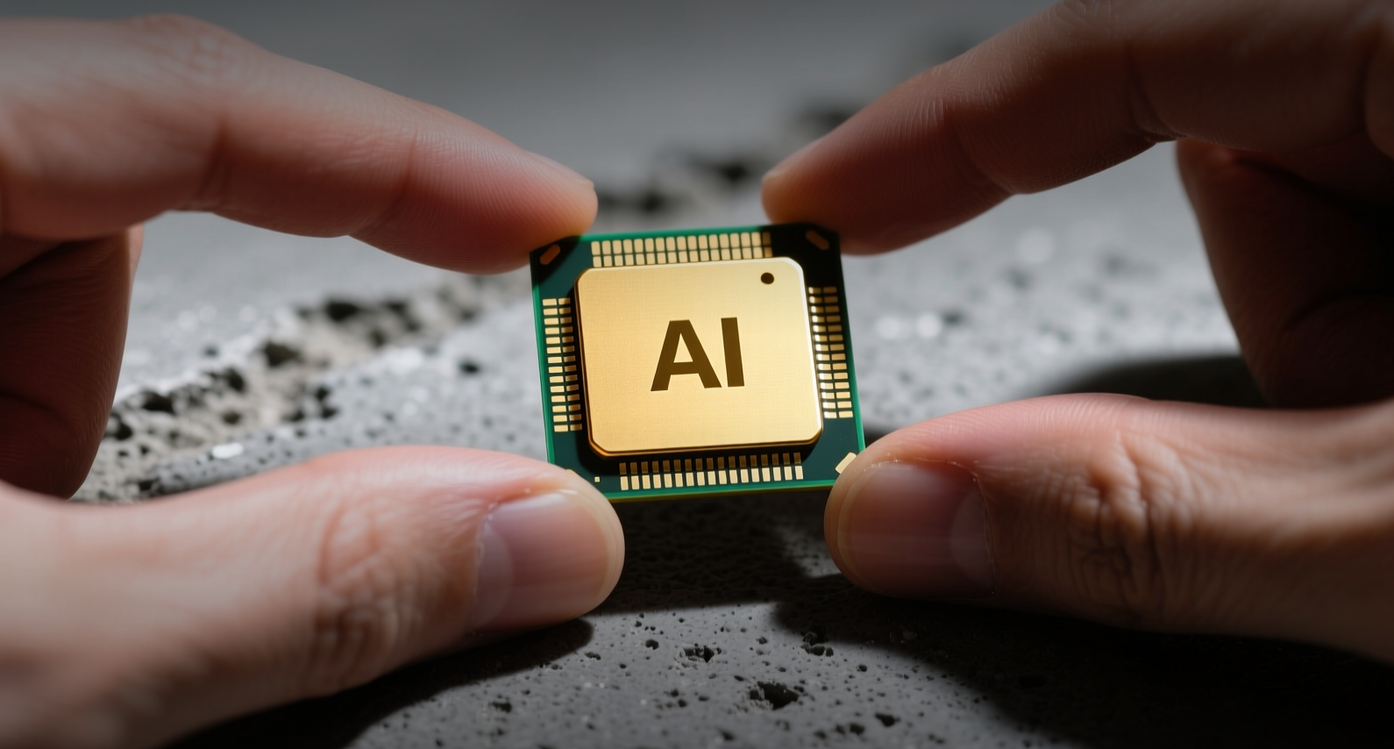
Google's in-house chip development threatens to reshape the $80 billion AI semiconductor market, reducing the company's reliance on Nvidia Corp. and potentially saving billions in annual procurement costs. Shares of Alphabet Inc. rose 3.6% on July 20, the biggest single-day gain in three months.
"Google has been designing custom chips for years with its TPU line, but this signals a deeper commitment to owning the full AI stack," said Stacy Rasgon, an analyst at Bernstein. "The question is whether they can match Nvidia's software ecosystem."
Google's Tensor Processing Units have powered the company's internal AI workloads since 2016, with the latest TPU v5 offering roughly 1,200 TFLOPS of FP16 performance — exceeding Nvidia's H100 at 990 TFLOPS. The new chip development, details of which remain undisclosed, targets broader deployment across Google Cloud, potentially offering customers an alternative to Nvidia's dominant H100 and B200 GPUs. Production timeline and process node have not yet been disclosed.
Alphabet trades at roughly 24x forward earnings. If Google's custom silicon reduces GPU procurement costs by even 20%, the savings could add $2 billion to $3 billion annually to operating income, according to estimates from Morgan Stanley. Nvidia shares fell 1.8% on the news, while Advanced Micro Devices Inc. slipped 0.9%.
Why Google Needs Its Own Silicon
The move comes as hyperscale cloud providers race to reduce dependence on a single supplier. Nvidia controls roughly 80% of the AI accelerator market, giving it significant pricing power. Microsoft Corp. has developed its own Maia chip, while Amazon.com Inc. offers Trainium and Inferentia processors through its AWS cloud platform. Google's TPU already powers key products including Search, YouTube and Gemini, but the company still procures tens of thousands of Nvidia GPUs annually for training its largest models.
Building custom chips allows Google to optimize hardware specifically for its software workloads, potentially improving performance per watt by 30% to 40% compared with general-purpose GPUs, according to semiconductor analysts at SemiAnalysis. The company also avoids the 50% to 80% gross margins Nvidia commands on its data center GPUs.
The Software Moat Question
Nvidia's dominance rests not just on hardware but on CUDA, its 20-year-old software platform that has become the industry standard for AI development. Google offers its own software stack through TensorFlow and JAX, but neither has achieved CUDA's ubiquity among external developers. For Google Cloud customers to adopt Google's chips at scale, the company must demonstrate competitive performance on popular models and frameworks — a hurdle that has limited adoption of competing chips from AMD and Intel Corp.
Palantir Technologies Inc. Chief Executive Alex Karp recently argued that enterprises are "paying for tokens that create no value" while handing over proprietary knowledge to frontier AI companies, a critique that underscores the broader industry shift toward owning AI infrastructure. Google's chip push aligns with this trend, offering customers the ability to run workloads on Google-controlled hardware rather than relying on external suppliers.
Alphabet shares closed at $198.42 on July 20, giving the company a market capitalization of roughly $2.5 trillion. The stock has gained 28% year to date, outpacing the S&P 500's 14% advance.
This article is for informational purposes only and does not constitute investment advice.
