

Google's co-founder is back steering AI strategy as the company's flagship Gemini model falls further behind OpenAI and Anthropic.
Google's co-founder is back steering AI strategy as the company's flagship Gemini model falls further behind OpenAI and Anthropic.
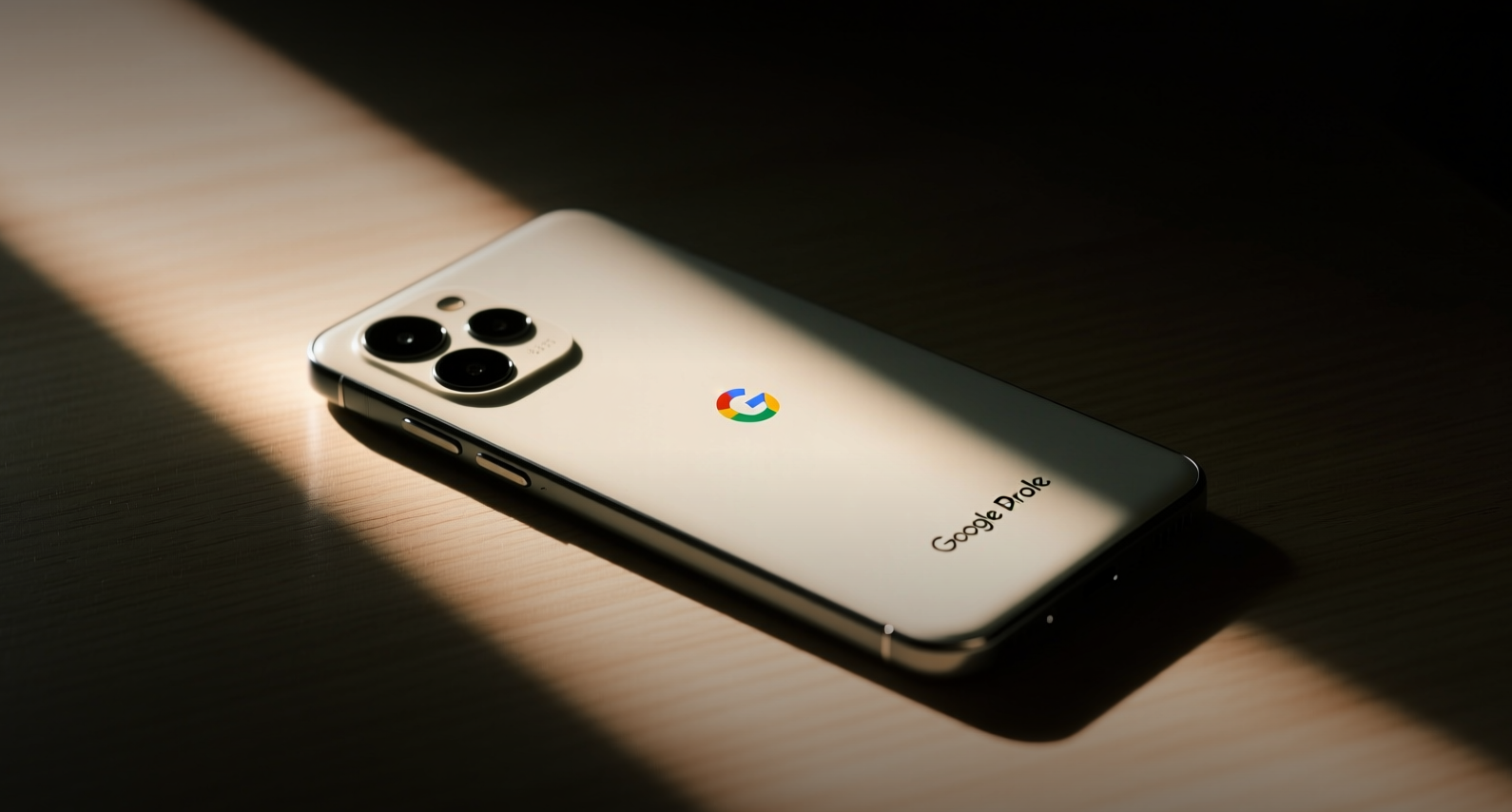
Google's co-founder is back steering AI strategy as the company's flagship Gemini model falls further behind OpenAI and Anthropic.
Google held an all-hands meeting last week as co-founder Sergey Brin pushes an AI restructuring to bring the delayed Gemini 3.5 Pro back to the frontier, months after its May announcement.
"We have to accelerate all this work and stay focused on the AI frontier," Google chief executive officer Sundar Pichai wrote in a blog post announcing the executive changes. "At the same time, there's never been a more important moment to shape the future of AGI and science."
The restructuring has reshuffled the top ranks of Google's AI units. Jeff Dean, employee No. 30 and co-lead of the Gemini effort, is leaving after 27 years to head Discovery Loop, an AI startup automating scientific research, taking three key researchers with him. Demis Hassabis, DeepMind's CEO, moves to chairman and assumes Dean's chief scientist role. Koray Kavukcuoglu, formerly DeepMind's CTO, becomes chief AI architect in charge of Gemini models. Reports indicate Gemini 3.7 Flash is already in development even as 3.5 Pro's delivery date remains undisclosed.
The urgency reflects real competitive pressure. Google Cloud revenue rose 81.8 percent to $24.77 billion in Q2, with operating income up 3.1x to $8.81 billion, but the company is spending heavily to stay in the race. Alphabet raised 2026 capital expenditures to $195-205 billion and is reportedly planning a $25 billion bond offering to fund AI infrastructure.
Brin has spent recent months urging employees to refocus on bringing Gemini back to the forefront of AI innovation, according to people familiar with the matter. The co-founder's hands-on involvement marks a shift from his largely advisory role since stepping back from day-to-day operations. His push comes as Google's top-end Gemini model trails Anthropic's Claude and OpenAI's GPT family on key benchmarks, even though Google invented the transformer architecture underpinning modern generative AI.
The leadership changes consolidate Google's AI research under a single chain of command. DeepMind, long kept separate from Google Brain, now effectively absorbs the Brain group's mandate. Hassabis's move to chairman and chief scientist gives him oversight of the broader AI research agenda, while Kavukcuoglu owns Gemini model development. The consolidation addresses a structural inefficiency that had two competing research units working on overlapping problems.
The restructuring comes as Google's cloud business becomes its primary AI revenue engine. Google Cloud's Q2 backlog reached $514 billion, up 4.75x year over year, and the segment now represents 20.7 percent of Alphabet's total revenue. The company spent $44.92 billion on capital expenses in Q2 alone, with roughly 60 percent going to servers and the rest to data centers and networking.
Alphabet's overall Q2 revenue rose 24.2 percent to $119.8 billion, with operating income up 30.4 percent to $40.77 billion. Net income jumped nearly 4x to $112.11 billion, though $77.1 billion of that came from investment gains, including a $94 billion stake in SpaceX. Underlying net income was approximately $35 billion.
The competitive stakes extend beyond model benchmarks. Google's Pixel 11 lineup, unveiled this week, puts Gemini Intelligence at the center of its hardware strategy, while Apple is rebuilding Siri around Google's Gemini models. That puts Google in the unusual position of competing with one of its biggest AI customers. Rick Osterloh, Google's devices chief, told CNBC that "Pixel and iPhone are going in very different directions," pointing to features like scam detection and Rambler voice transcription as differentiators.
The memory component shortage is adding another layer of pressure. Osterloh acknowledged that "everyone's needing to raise their prices" as RAM and flash memory costs climb, a squeeze that could affect hardware margins across the industry.
For investors, the question is whether Google's massive AI spending translates into competitive advantage. The market has rewarded the company's cloud growth, with Google Cloud now contributing 20.7 percent of total revenue and 21.6 percent of operating income. But the delayed Gemini 3.5 Pro raises concerns about execution. Counterpoint Research data shows AI ranks around sixth or seventh among consumer upgrade reasons, suggesting the technology has yet to become a primary purchase driver.
The next milestone is Gemini 3.5 Pro's delivery date, which Google has not yet disclosed. If the model ships with competitive benchmark scores, it could validate the restructuring. If not, the pressure on Brin and the new leadership team will only intensify.
This article is for informational purposes only and does not constitute investment advice.
