



Gold rebounded above $4,000 an ounce after weaker-than-expected US jobs data revived bets on Federal Reserve rate cuts, while analysts flagged a strengthening correlation with Bitcoin.
Gold rebounded above $4,000 an ounce after weaker-than-expected US jobs data revived bets on Federal Reserve rate cuts, while analysts flagged a strengthening correlation with Bitcoin.
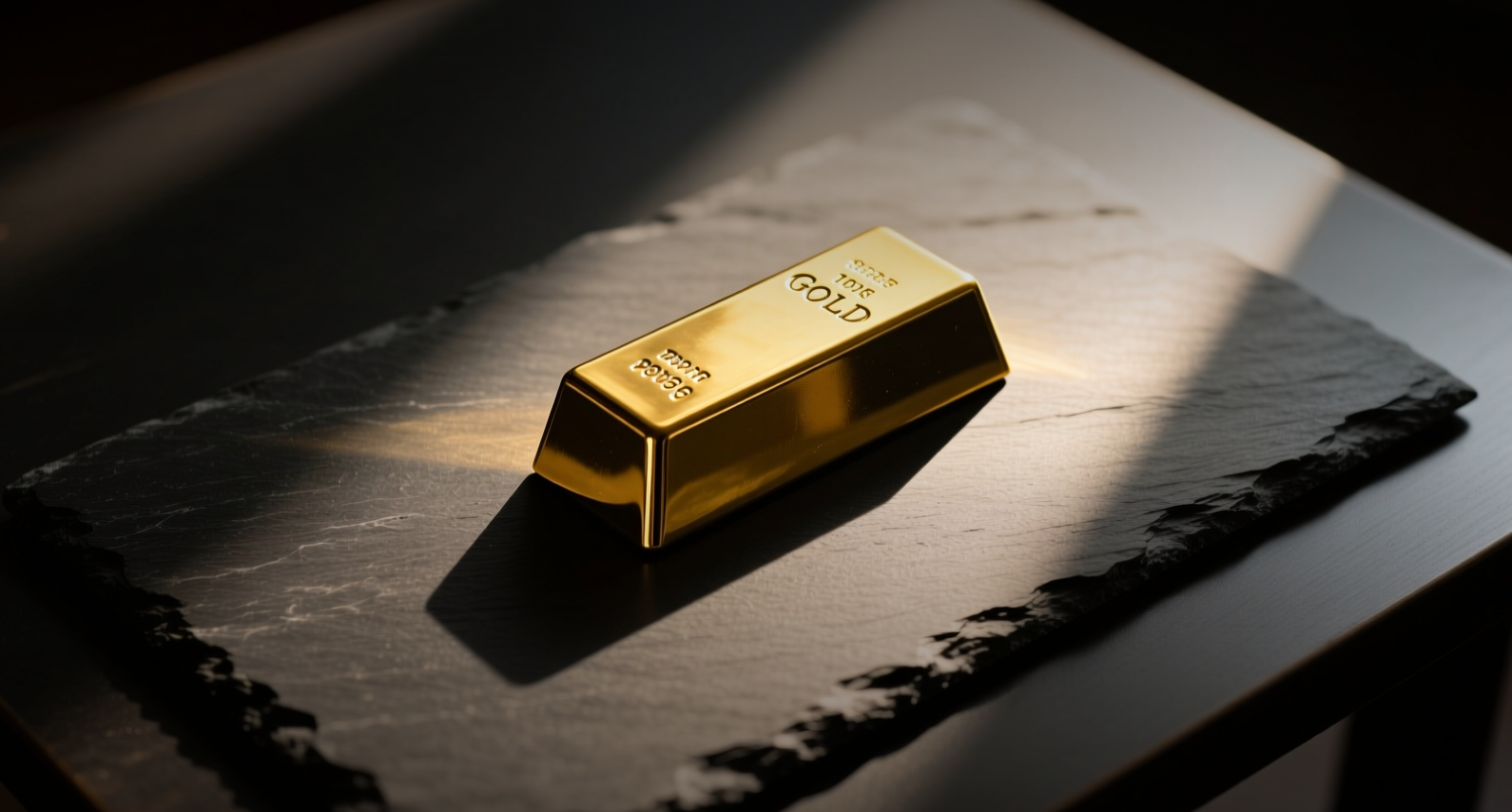
Gold rose above $4,000 an ounce, up 1.6% to $4,071.04, after US private payrolls missed estimates in June, the softest hiring print in four months.
"The pace of hiring is telling a story of both supply and demand," Dr. Nela Richardson, chief economist at ADP, said after the firm's National Employment Report showed private-sector hiring rose by 98,000 jobs, below the 110,000 consensus.
The ADP print landed hours after Fed Chair Kevin Warsh, speaking at the European Central Bank's forum in Sintra, said inflation risks have eased in recent weeks and energy prices have fallen "quite substantially" since the US-Iran accord. The Dollar Index traded near 101, up 3% year to date, as a hawkish Fed stance had weighed on gold through the second quarter — the metal's worst three-month period since 2013, with a 16% decline.
The breakout above $4,000 signals a potential reversal after gold flashed a death cross in late June, when its 50-day moving average fell below the 200-day. UBS expects bullion to climb to roughly $5,200 over the next 12 months, citing steady central bank buying — Poland added 18 metric tons in May and China added 10 — while Goldman Sachs set a $4,900 year-end target.
The move also strengthened gold's correlation with Bitcoin, as both non-yielding assets benefited from shifting rate expectations. Bitcoin tracked gold higher on Wednesday, with traders citing the same macro catalyst: a softer labor market increases the probability of Fed easing, which reduces the opportunity cost of holding assets that pay no yield.
Gold had fallen 27% from its January record above $5,600, a decline that Jeff deGraaf, chairman of Renaissance Macro Research, said confirms the idea that gold was in a bubble at the end of 2025. The World Gold Council, in its mid-year outlook, noted that "convergence of global interest rates to higher levels would also raise the opportunity costs of gold."
Despite the quarter's rout, central banks remain net buyers. A World Gold Council survey found a record 45% of 76 central banks polled between February and May expect to increase their gold reserves over the next 12 months. "Structurally, EM central bank diversification — following the 2022 freezing of Russia's reserves — remains the anchor of our $4,900/oz end 2026 forecast," said Samantha Dart, co-head of global commodities research at Goldman Sachs.
This article is for informational purposes only and does not constitute investment advice.
