
Đà phục hồi của vàng chững lại dưới mốc 4.540 USD khi lệnh ngừng bắn một phần giữa Israel và Hezbollah hạn chế nhu cầu trú ẩn an toàn, trong khi các nhà giao dịch chờ đợi dữ liệu lao động Mỹ để tìm chất xúc tác tiếp theo.
Đà phục hồi của vàng chững lại dưới mốc 4.540 USD khi lệnh ngừng bắn một phần giữa Israel và Hezbollah hạn chế nhu cầu trú ẩn an toàn, trong khi các nhà giao dịch chờ đợi dữ liệu lao động Mỹ để tìm chất xúc tác tiếp theo.
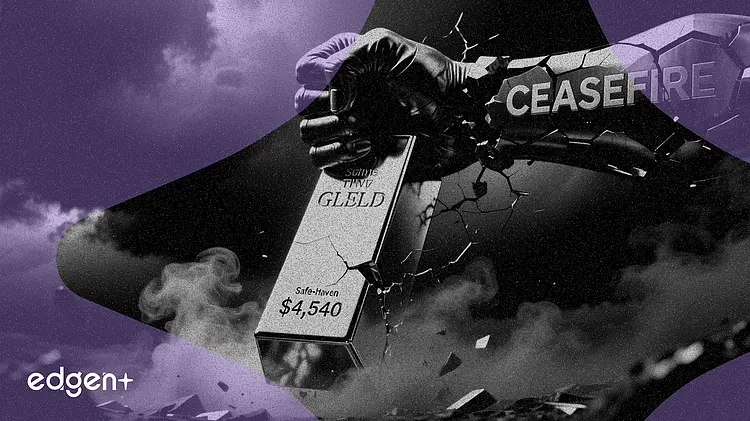
Đà phục hồi của vàng trên mốc 4.500 USD đã chững lại vào thứ Ba khi lệnh ngừng bắn một phần giữa Israel và Hezbollah làm giảm dòng vốn tìm nơi trú ẩn an toàn, khiến kim loại quý này bị mắc kẹt trong biên độ giao dịch tháng Năm.
Giá vàng COMEX tăng 0,9% lên 4.530 USD/ounce trong phiên giao dịch chiều châu Âu, phục hồi một phần sau mức giảm 1% hôm thứ Hai nhưng không thể vượt qua ngưỡng kháng cự 4.540 USD. Chỉ số Đô la Mỹ giảm 0,1% xuống 99,05, hỗ trợ phần nào cho kim loại định giá bằng đô la, theo dữ liệu từ Bloomberg.
"Lệnh ngừng bắn một phần giữa Israel và Hezbollah đã làm giảm mức phí bảo hiểm địa chính trị tức thời trong vàng, nhưng bức tranh Trung Đông rộng lớn hơn vẫn chưa được giải quyết," ông Ole Hansen, trưởng bộ phận chiến lược hàng hóa tại Saxo Bank, cho biết. "Các nhà đầu tư ngần ngại mở thêm vị thế mua trước dữ liệu lao động Mỹ trong tuần này."
Israel và Hezbollah đã đạt được thỏa thuận ngừng bắn một phần vào thứ Hai, và Tổng thống Mỹ Donald Trump cho biết Thủ tướng Benjamin Netanyahu đã đóng băng các kế hoạch tấn công Beirut. Diễn biến này đã hạn chế đà tăng thêm của đồng đô la Mỹ với tư cách là kênh trú ẩn an toàn, mặc dù khẩu vị rủi ro vẫn ở mức thấp khi các cuộc đàm phán hòa bình Mỹ-Iran bị đình trệ và eo biển Hormuz bị đóng cửa mà không có mốc thời gian mở lại.
Dữ liệu sản xuất tháng Năm của Mỹ cho thấy hoạt động kinh doanh lành mạnh, chuyển sự chú ý sang báo cáo JOLTS về số lượng việc làm đang tuyển dụng dự kiến công bố vào thứ Ba và báo cáo Bảng lương phi nông nghiệp vào thứ Sáu. Dữ liệu lao động sẽ cung cấp thông tin cho kỳ vọng về lộ trình chính sách tiền tệ của Cục Dự trữ Liên bang, khi thị trường đang định giá khả năng tăng lãi suất sau khi lạm phát khu vực eurozone tăng tốc lên 3,2% trong tháng Năm.
Các ngưỡng khóa giữ kim loại trong biên độ hẹp
Chỉ số Sức mạnh Tương đối trên khung 4 giờ ở gần mức 55 cho thấy đà tăng tích cực, trong khi chỉ báo Phân kỳ Hội tụ Trung bình Động ở mức dương cho thấy áp lực giảm đã giảm bớt, theo dữ liệu kỹ thuật. Ngưỡng kháng cự trước mắt vẫn là 4.590 USD, mức đã nhiều lần ngăn chặn đà tăng kể từ giữa tháng Năm. Phá vỡ trên vùng này sẽ mở ra mục tiêu giao thoa giữa đáy giữa tháng Năm và đỉnh của kênh giảm từ tháng Tư tại 4.645 USD.
Ở chiều giảm, hỗ trợ nằm tại mức thấp hôm thứ Hai ở gần 4.445 USD, với vùng bảo vệ bổ sung tại đáy tháng Năm quanh 4.370 USD. Đáy của kênh giảm từ tháng Tư đang ở mức 4.340 USD. Vàng đã giao dịch trong biên độ 250 USD kể từ đầu tháng Năm, với mức đỉnh 52 tuần của kim loại này là 4.890 USD được thiết lập vào tháng Tư, đại diện cho mục tiêu tăng lớn tiếp theo nếu kháng cự bị phá vỡ.
Tồn kho vàng COMEX ở mức 28,5 triệu ounce tính đến cuối tháng Năm, theo dữ liệu sàn giao dịch, tạo ra một lớp đệm chống lại bất kỳ sự gián đoạn nào từ phía cung. Kim loại quý này vẫn được hỗ trợ bởi hoạt động mua vào của ngân hàng trung ương, khi Ngân hàng Nhân dân Trung Quốc tăng dự trữ trong tháng thứ 10 liên tiếp vào tháng Năm, theo dữ liệu chính thức.
Báo cáo Bảng lương phi nông nghiệp vào thứ Sáu là chất xúc tác tiếp theo cho vàng. Một số liệu cao hơn dự kiến sẽ củng cố kỳ vọng về chính sách thắt chặt hơn của Fed, gây áp lực lên vàng, trong khi một kết quả thấp hơn có thể khơi lại nhu cầu trú ẩn an toàn và đẩy giá lên ngưỡng kháng cự 4.590 USD.
Bài viết này chỉ mang tính chất tham khảo và không cấu thành lời khuyên đầu tư.
