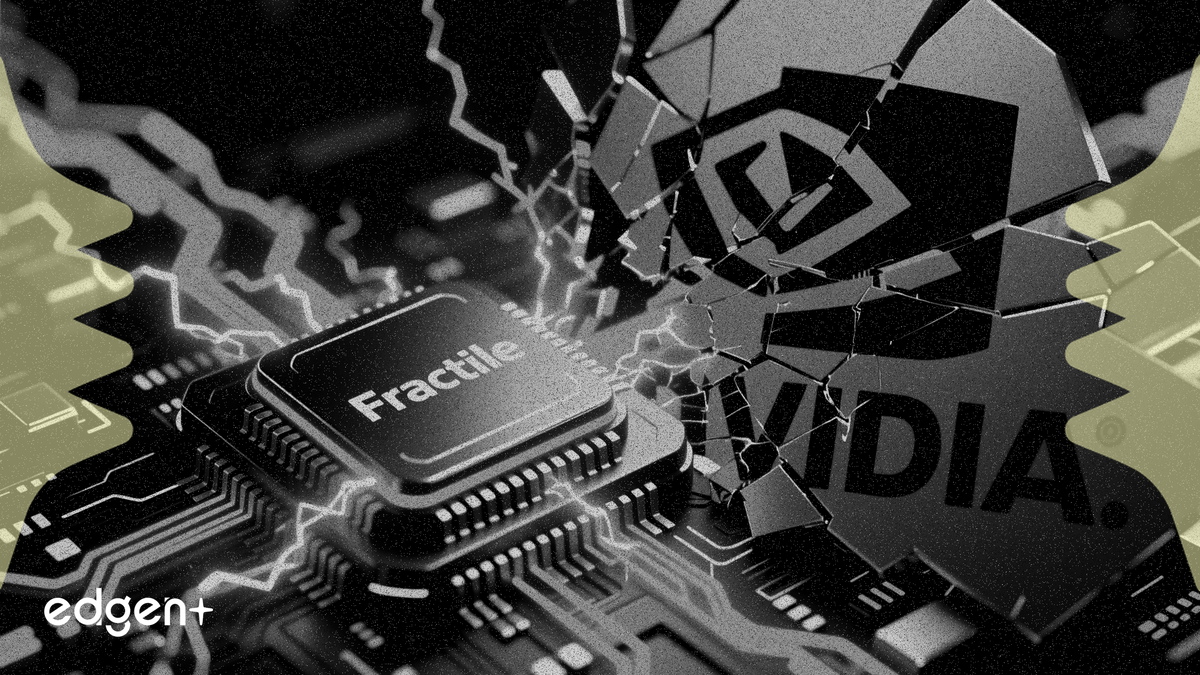
Startup chip Fractile của Anh đã huy động được 220 triệu USD trong vòng Series B để phát triển các bộ vi xử lý chuyên dụng cho suy luận AI, báo hiệu một mặt trận mới trong cuộc chiến xây dựng phần cứng cung cấp năng lượng cho trí tuệ nhân tạo. Vòng gọi vốn, do Factorial Funds, Accel và Founders Fund của Peter Thiel dẫn đầu, nhắm vào mục tiêu mà công ty coi là nút thắt cổ chai chính trong AI: tốc độ và chi phí tạo ra phản hồi từ các mô hình lớn.
“Nơi chúng tôi muốn hướng tới là nhanh và rẻ,” CEO của Fractile, Walter Goodwin, cho biết trong một cuộc phỏng vấn. Goodwin, một kỹ sư được đào tạo tại Oxford, người đã thành lập công ty vào năm 2022, nói rằng khi các mô hình AI phát triển, thời gian di chuyển dữ liệu giữa bộ vi xử lý và bộ nhớ đã trở thành hạn chế chính đối với hiệu suất.
Vòng gọi vốn này mang lại cho Fractile nguồn vốn đáng kể để thách thức một thị trường do Nvidia Corp. (NVDA) thống trị. Khẳng định cốt lõi của Fractile là họ đã thiết kế một kiến trúc chip logic và bộ nhớ có thể tối đa hóa băng thông và giảm thời gian phản hồi mà không phụ thuộc vào hai dạng bộ nhớ phổ biến nhất trong phần cứng AI: bộ nhớ băng thông cao (HBM) hoặc bộ nhớ truy cập ngẫu nhiên tĩnh trên chip (SRAM). Tuy nhiên, công ty đã từ chối cung cấp chi tiết kỹ thuật cụ thể hoặc tiêu chuẩn hiệu suất cho sản phẩm của mình.
Cách tiếp cận này, nếu thành công, có thể cung cấp một giải pháp thay thế hấp dẫn trong thị trường suy luận AI đang bùng nổ—quá trình chạy các mô hình đã được đào tạo để tạo ra câu trả lời, văn bản hoặc hình ảnh. Nhu cầu về suy luận nhanh hơn, hiệu quả hơn đã tạo ra một chu kỳ mua sắm lớn cho phần cứng chuyên dụng, khi các phòng thí nghiệm AI và nhà cung cấp dịch vụ đám mây tìm cách giảm chi phí cho mỗi truy vấn.
Một con đường kỹ thuật khác biệt
Việc Fractile tuyên bố tránh sử dụng SRAM và HBM đã tạo nên sự khác biệt so với các đối thủ nặng ký khác. Cerebras, một nhà thiết kế chip AI dự kiến sẽ huy động tới 4,8 tỷ USD trong một đợt IPO được mong đợi vào tuần này, sử dụng lượng lớn SRAM trên chip để mang lại thời gian phản hồi nhanh hơn, theo phân tích từ Morningstar. Bằng cách theo đuổi một kiến trúc bộ nhớ khác, Fractile đang đặt cược rằng họ có thể tìm thấy một giải pháp có khả năng mở rộng hoặc tiết kiệm chi phí hơn cho vấn đề nút thắt dữ liệu.
Bối cảnh cạnh tranh rất khốc liệt và đang ngày càng gia tăng. Bên cạnh các GPU thống trị của Nvidia, các nhà cung cấp dịch vụ đám mây lớn như Google (GOOGL) và Amazon (AMZN) đã phát triển các bộ vi xử lý dành riêng cho suy luận của riêng họ. Đồng thời, những căng thẳng địa chính trị và các hạn chế xuất khẩu của Hoa Kỳ đối với chip cao cấp sang Trung Quốc đã tạo ra động lực toàn cầu để khách hàng đa dạng hóa chuỗi cung ứng và khám phá các lựa chọn thay thế cho một nhà cung cấp thống trị duy nhất. Môi trường này cung cấp một động lực tiềm năng cho những người mới gia nhập như Fractile, những người có thể chứng minh lợi thế đáng kể về giá cả hoặc hiệu suất.
Khoản đầu tư 220 triệu USD vào Fractile, cùng với mức định giá gần 50 tỷ USD mà Cerebras đang tìm kiếm trong đợt chào bán ra công chúng, cho thấy sự khao khát mạnh mẽ và liên tục của các nhà đầu tư đối với các công ty phần cứng giải quyết thách thức suy luận AI. Mặc dù Fractile vẫn là một công ty tư nhân ở giai đoạn đầu, nhưng tiến trình của nó sẽ được theo dõi chặt chẽ. Một giải pháp thay thế tiết kiệm chi phí và đã được chứng minh cho các giải pháp bộ nhớ hiện tại có thể tác động đáng kể đến vị thế cạnh tranh và lợi nhuận của các gã khổng lồ bán dẫn đã thành lập như Nvidia và AMD, đồng thời ảnh hưởng đến các quyết định mua sắm phần cứng trị giá hàng tỷ đô la của các nhà phát triển AI lớn.
Bài viết này chỉ mang tính chất thông tin và không cấu thành lời khuyên đầu tư.