
Những điểm chính: Người đứng đầu IMF, Ngân hàng Thế giới, IEA và WTO đã đưa ra tuyên bố chung hiếm hoi cảnh báo xung đột Trung Đông đang làm cạn kiệt dự trữ dầu toàn cầu với tốc độ kỷ lục.
Những điểm chính: Người đứng đầu IMF, Ngân hàng Thế giới, IEA và WTO đã đưa ra tuyên bố chung hiếm hoi cảnh báo xung đột Trung Đông đang làm cạn kiệt dự trữ dầu toàn cầu với tốc độ kỷ lục.
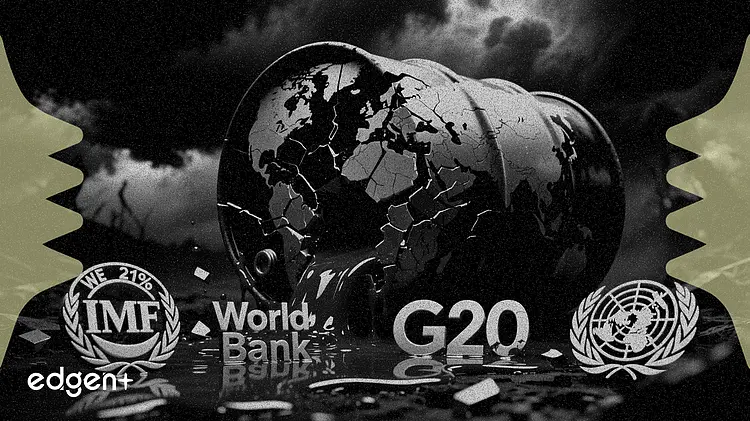
Người đứng đầu IMF, Ngân hàng Thế giới, IEA và WTO cảnh báo xung đột Trung Đông đang làm cạn kiệt dự trữ dầu toàn cầu với tốc độ kỷ lục, đe dọa an ninh nhiên liệu trước nhu cầu cao điểm mùa hè ở Bắc bán cầu.
"Chiến tranh ở Trung Đông đang tạo ra những tác động đáng kể và bất đối xứng cao đối với nguồn cung năng lượng, an ninh lương thực và hoạt động kinh tế giữa các quốc gia và khu vực," bốn tổ chức cho biết trong một tuyên bố chung ngày 28/5.
Eo biển Hormuz xử lý khoảng 21% thương mại dầu toàn cầu, và việc mất nguồn cung qua tuyến đường thủy này đã gây ra đợt rút dự trữ kỷ lục, tuyên bố cho biết. Giá nhiên liệu và phân bón cao hơn đang ảnh hưởng không tương xứng đến các quốc gia dễ bị tổn thương nhất, với chi phí phân bón là mối lo ngại đặc biệt khi nhiều quốc gia bước vào mùa gieo trồng.
Nếu dòng vận chuyển không trở lại bình thường, việc tiếp tục cạn kiệt dự trữ nhanh chóng trước nhu cầu cao điểm mùa hè sẽ gây ra rủi ro ngày càng tăng đối với an ninh nhiên liệu và khả năng phục hồi kinh tế rộng hơn, các tổ chức cho biết. Bốn tổ chức cho biết họ đang phối hợp hỗ trợ các quốc gia bị ảnh hưởng và theo dõi các phản ứng chính sách của chính phủ.
Tuyên bố chung — được ký bởi người đứng đầu Quỹ Tiền tệ Quốc tế, Ngân hàng Thế giới, Cơ quan Năng lượng Quốc tế và Tổ chức Thương mại Thế giới — phản ánh mối lo ngại ngày càng tăng rằng tác động kinh tế của cuộc xung đột đang lan rộng ra ngoài khu vực trực tiếp. Lần cuối cùng bốn tổ chức này đưa ra cảnh báo phối hợp về an ninh năng lượng là trong cuộc chiến tranh Nga-Ukraine năm 2022, khi giá dầu tăng vọt qua 120 USD/thùng và giá lương thực toàn cầu đạt mức kỷ lục. Cuộc khủng hoảng đó đã gây ra làn sóng thắt chặt chính sách của các ngân hàng trung ương khi các nhà hoạch định chính sách vật lộn kiềm chế lạm phát, với Cục Dự trữ Liên bang Mỹ (Fed) tăng lãi suất 525 điểm cơ bản trong 16 tháng.
Cuộc xung đột hiện tại đã định hình lại dòng chảy thương mại. Chiến tranh với Iran đã làm gián đoạn vận chuyển qua Eo biển Hormuz, một điểm nghẽn thường vận chuyển khoảng 21 triệu thùng dầu mỗi ngày. IEA đã cảnh báo rằng việc mất nguồn cung đang làm cạn kiệt dự trữ toàn cầu với tốc độ chưa từng thấy trong nhiều thập kỷ. Đối với các quốc gia nhập khẩu dầu ở châu Á và châu Âu, sự gián đoạn này đe dọa đẩy chi phí năng lượng lên cao hơn ngay khi các nền kinh tế đang phục hồi sau chu kỳ lạm phát trước đó. Tác động đến giá phân bón bổ sung thêm một lớp rủi ro khác, khi chi phí đầu vào cao hơn có thể làm giảm năng suất cây trồng và đẩy giá lương thực lên cao — một động thái sẽ ảnh hưởng nặng nề nhất đến các thị trường mới nổi.
Đối với các nền kinh tế đang phát triển, rủi ro là rất lớn. Tham vấn Điều IV mới nhất của IMF với Gambia, được công bố vào tháng 5, lưu ý rằng chiến tranh được dự báo sẽ "ảnh hưởng đáng kể đến triển vọng kinh tế vĩ mô và khuếch đại rủi ro trong nước" đối với quốc gia Tây Phi này, nơi lạm phát vẫn trên mục tiêu 5% của ngân hàng trung ương. Giá hàng hóa cao hơn từ cuộc xung đột đã bắt đầu xuất hiện trong giá tiêu dùng, Quỹ cho biết. Gambia, giống như nhiều quốc gia thu nhập thấp, phải đối mặt với cú sốc kép từ chi phí nhập khẩu nhiên liệu cao hơn và giá phân bón tăng cao đe dọa sản lượng nông nghiệp. IMF đã gia hạn thỏa thuận ECF trị giá 102,2 triệu USD của Gambia thêm sáu tháng đến tháng 7 năm 2027, với thêm 17 triệu USD tiếp cận để giúp giải quyết những thách thức từ chiến tranh.
IMF Gia Hạn Tài Trợ Khi Các Biện Pháp Thương Mại Gia Tăng
Bốn tổ chức cho biết họ đang theo dõi chuỗi cung ứng phân bón, thị trường năng lượng và các phản ứng chính sách của chính phủ để thúc đẩy tính minh bạch và xác định các rủi ro mới nổi. Tuyên bố này được đưa ra sau các hành động riêng lẻ của từng tổ chức — IMF đã gia hạn các thỏa thuận tài trợ cho các quốc gia bị ảnh hưởng bởi xung đột, trong khi WTO đang theo dõi các biện pháp hạn chế thương mại có thể làm trầm trọng thêm thiệt hại kinh tế.
Cảnh báo phối hợp cho thấy các tổ chức này dự kiến các tác động kinh tế của chiến tranh sẽ kéo dài. Với nhu cầu dầu mùa hè cao điểm đang đến gần ở Bắc bán cầu và không có giải pháp cho cuộc xung đột, nguy cơ giá tăng đột biến hơn nữa vẫn ở mức cao. Tuyên bố chung đóng vai trò là tiền đề cho các hành động chính sách phối hợp tiềm năng, tương tự như việc giải phóng đồng loạt kho dự trữ dầu chiến lược của các nước thành viên IEA vào năm 2022. Đối với các nhà đầu tư, câu hỏi chính là liệu sự gián đoạn này chỉ là tạm thời hay trở thành cơ cấu — một sự khác biệt sẽ quyết định liệu giá dầu có ổn định ở mức cao hơn sau khi xung đột kết thúc hay không.
Bài viết này chỉ mang tính chất thông tin và không cấu thành lời khuyên đầu tư.
