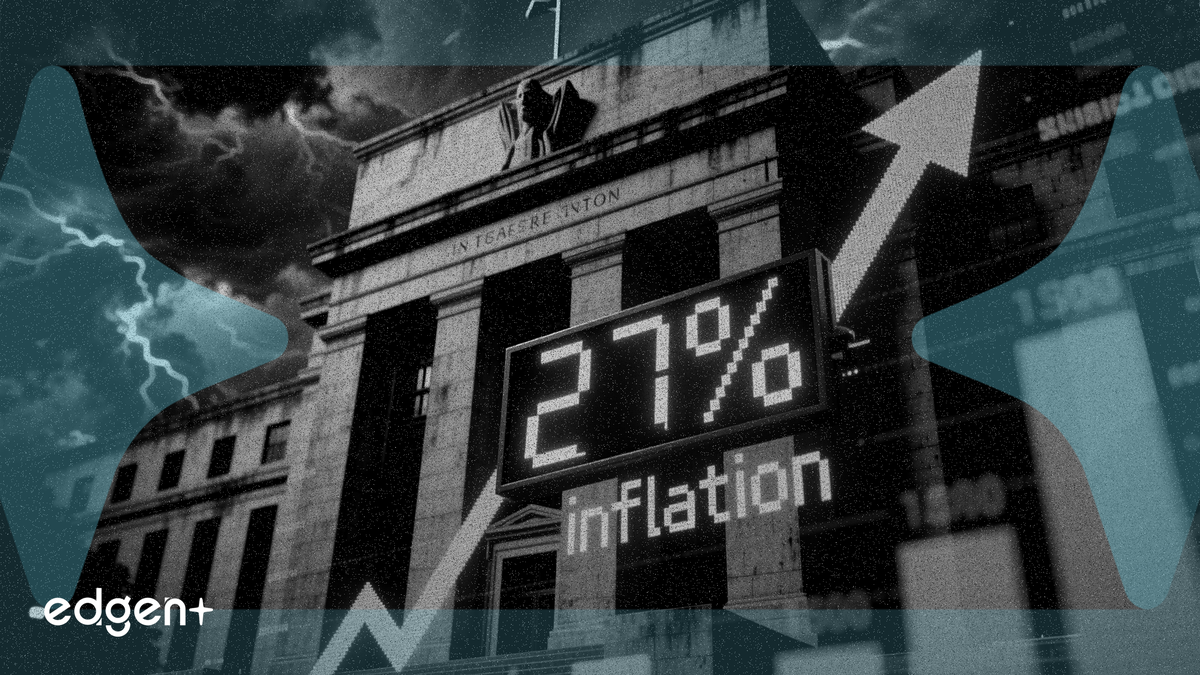
A swift repricing of Federal Reserve policy expectations is underway, with markets now betting on a greater than one-in-four chance of an interest rate hike before 2027 as energy-driven inflation proves unexpectedly persistent.

The conversation on Wall Street has sharply pivoted from how many times the Federal Reserve will cut rates to whether it will be forced to hike them, after April’s inflation accelerated to a 3.8% year-over-year pace. Prediction markets have boosted the probability of a rate increase before 2027 to 27%, a significant reversal from the multiple cuts anticipated just months ago.
"About a new round of rate hikes, the discussion is probably about to start," said Lindsey Piegza, chief economist at Stifel, after the release of wholesale price data. "More worryingly, this morning's report suggests that the worst of the shock has not yet been seen."
The renewed inflation pressure stems from a 3.8% surge in energy prices in April alone, which accounted for about 40% of the increase in the consumer price index, according to the Bureau of Labor Statistics. This has pushed contracts linked to future policy decisions to price in a 24 basis point increase by the June 2027 meeting. The shift is stark: a month ago, Kalshi prediction markets implied only an 18.2% chance of a rate hike in 2026.
The Fed is now caught between the risk of re-accelerating inflation and the danger of stifling economic growth with higher borrowing costs. With geopolitical tensions in the Middle East threatening to keep energy prices elevated, the central bank's ability to control inflation through traditional demand-side policy is limited, leaving rate cuts off the table for the foreseeable future.
The primary driver of this inflationary surprise is the energy sector. Rising costs for gasoline, diesel, and electricity act as a tax on the entire economy, increasing expenses for shipping, manufacturing, and transportation. These supply-side shocks, largely stemming from the Iran conflict and its impact on shipping routes, are difficult for the Federal Reserve to counter. Monetary policy can cool demand, but it cannot produce more oil or secure international trade passages.
The market's reaction has been swift and decisive. Beyond the headline prediction market odds, contracts tied to the Fed's policy rate now reflect a material chance of tightening. This repricing reflects a growing concern that the Fed has once again underestimated the persistence of inflation. While the federal funds rate has remained unchanged for several meetings, the patience that policymakers preached may now be tested by a new wave of price pressures. The focus now shifts to the Fed's upcoming statements, with traders watching for any removal of language that indicates a bias toward easing.
This article is for informational purposes only and does not constitute investment advice.