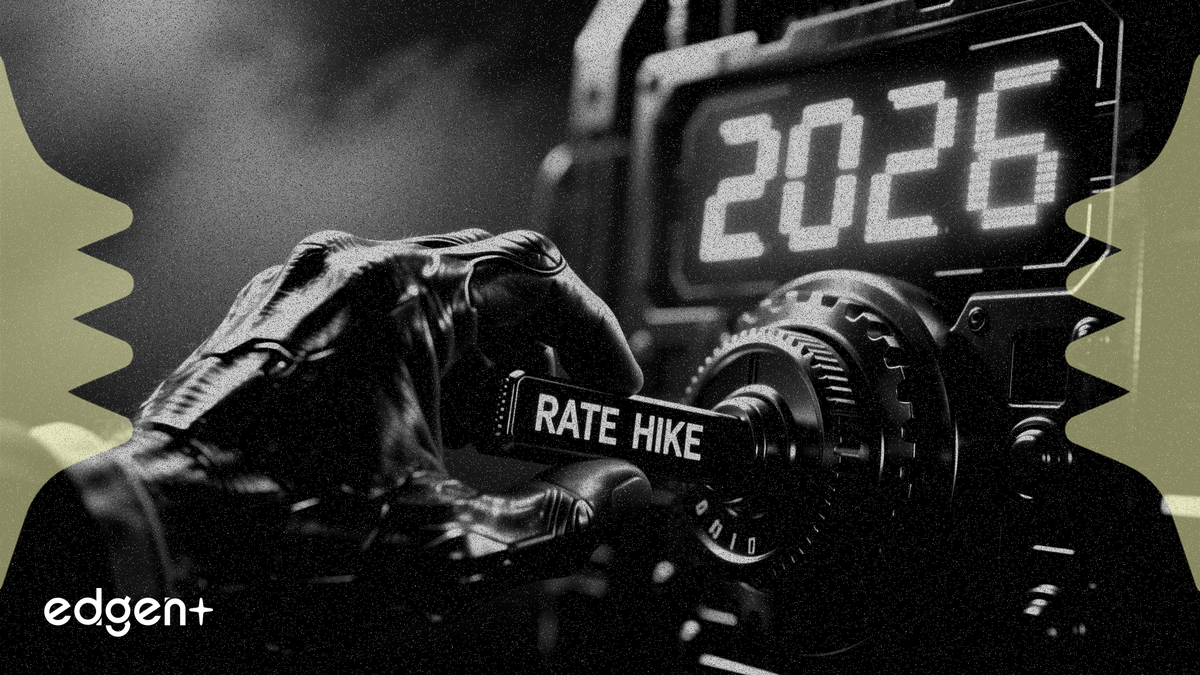
2026 yılında Federal Rezerv'in birden fazla faiz indirimi yapacağına dair fikir birliği yıkıldı; kalıcı enflasyon ve jeopolitik riskler, yatırımcıları bir zamanlar düşünülemez olan bir senaryoyu, yani potansiyel bir faiz artırımını değerlendirmeye zorluyor. Duyarlılıktaki bu değişim, tahmin piyasalarındaki dramatik fiyatlama ve merkez bankasının politikayı gevşetme yolunun daraldığını gören ekonomistlerin daha şahin tutumundan kaynaklanıyor.
Rosenberg Research baş ekonomisti David Rosenberg, "Anlatı 2026'da 'kaç indirim'den 'hiç indirim olacak mı' noktasına evrildi," dedi. "Yapışkan hizmet enflasyonu ve İran çatışmasından kaynaklanan yenilenen enerji fiyatı riskleri, Fed'e manevra yapacak çok az alan bırakıyor. Artık bir faiz artırımı olasılığı %0 değil."
Beklentilerdeki değişim oldukça keskin oldu. Kalshi platformundaki yatırımcılar, dayanıklı kurumsal karlar ve istikrarlı iş gücü piyasasının etkisiyle geçen ay %36,9 olan 2026 resesyon olasılığını %17,5'e düşürdü. Ancak 2027 için resesyon olasılığı %41'e fırladı; bu da yatırımcıların ekonominin kaçınılmaz bir yavaşlamayı sadece ertelediğine inandığını gösteriyor. Bu durum Hazine tahvili getirilerini yukarı itti; 2 yıllık tahviller daha şahin görünüme tepki verirken, S&P 500 yükselişini sürdürerek dikkat çekici bir ayrışma yarattı.
Masada olan konu, Başkan Trump tarafından atanan Kevin Warsh tarafından yönetilmesi beklenen Federal Rezerv'in güvenilirliğidir. Fed, 1,3 trilyon doların üzerindeki yüksek tüketici borç yükleri ve artan kurumsal borç yenileme baskılarıyla boğuşan bir ekonomide yol alıyor. Temmuz 2023'ten bu yana değişmeyen %5,25 ile %5,50 aralığındaki federal fon oranıyla, politikayı daha da sıkılaştıracak herhangi bir hamle borçlanma maliyetlerini önemli ölçüde artıracak ve ekonomik ivmeyi durdurabilecektir.
2027'deki Çatlaklar
Piyasalar 2026 için bir nefes alırken, odak noktası daha tehlikeli bir 2027'ye kayıyor. Kısa vadeli direnç sağlayan faktörler olan güçlü tüketici harcamaları ve kurumsal güç, rekor kredi kartı bakiyeleri ve faizlerin sıfıra yakın olduğu dönemde alınan borçlarla besleniyor. Ağır borç yükü altındaki şirketler şimdi çok daha yüksek oranlarda bir borç yenileme duvarıyla karşı karşıya; bu da marjları daraltabilir, işe alımları ve yatırımları azaltabilir. Goldman Sachs, geçtiğimiz günlerde Fed'in ilk faiz indirimi tahminini 2026 sonuna çekerek bu endişeyi yansıttı.
Bir Joker Olarak Jeopolitik
İran'ı içeren süregelen çatışma, derin bir belirsizlik katmanı ekliyor. ABD Enerji Bilgi İdaresi'ne göre, küresel petrol tüketiminin kabaca %20'si Hürmüz Boğazı'ndan geçiyor. Barış müzakereleri ham petrol fiyatlarını zirveden soğuttu ancak daha geniş bir gerilim riski devam ediyor. Petrol fiyatlarındaki 10 dolarlık kalıcı bir artış, benzin fiyatlarını galon başına 25 sent artırabilir; bu da en son Tüketici Fiyat Endeksi raporunda belirtildiği gibi, halihazırda yüksek gıda ve hizmet maliyetleriyle karşı karşıya olan tüketiciler için doğrudan bir vergi görevi görür. Enerjiden kaynaklanan bu kalıcı enflasyonist baskı, başkanın kim olduğuna bakılmaksızın Fed'i harekete geçmeye zorlayabilir.
Bu makale sadece bilgilendirme amaçlıdır ve yatırım tavsiyesi teşkil etmez.