
重要なポイント:
- 上院銀行委員会の民主党議員11名全員が、ケビン・ウォシュ氏の指名承認公聴会の延期を求めています。
- 延期の要求は、パウエル議長とクック理事に対する調査結果が出るまでとされています。
- この対立により、FRBのリーダーシップと政治的独立性に関する不確実性が高まっています。
重要なポイント:
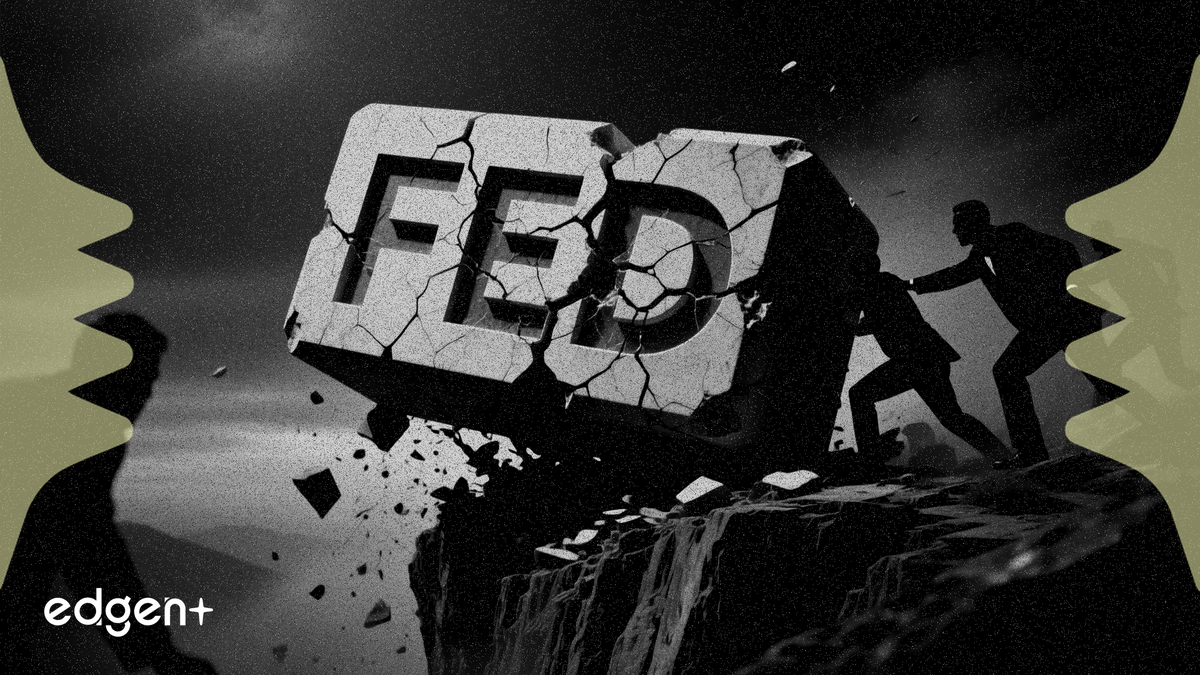
次期米連邦準備制度理事会(FRB)議長候補であるケビン・ウォシュ氏の指名承認公聴会は、上院銀行委員会の民主党議員11名全員が延期を求めたことで、暗礁に乗り上げる可能性が出てきました。これは、中央銀行の独立性をめぐる政治的危機を深める形となっています。
「現在の状況において、ウォシュ氏の指名手続きを進めることは不適切であるだけでなく、大統領の言葉を真に受けることも不可能だ」と、議員たちは木曜日にティム・スコット委員長に宛てた書簡で述べています。
この要求は、トランプ政権とFRBの間で進行中の2つの法的争いに起因しています。司法省は、ジェローム・パウエル議長による25億ドルの本部改修工事の処理について刑事調査を行っており、最高裁判所はリサ・クック理事の解任問題を審理しています。
この動きは、5月15日のパウエル議長の任期満了を前に、円滑なリーダーシップの交代を妨げる恐れがあります。委員会では共和党が13対11という僅差の多数派を握っているため、パウエル氏への法的脅威がなくなるまでいかなる候補者も阻止すると誓っているトム・ティリス議員のような共和党の造反者が一人でも出れば、ウォシュ氏の指名が上院本会議での採決に進むのを阻止できることになります。
ドナルド・トランプ大統領はパウエル氏への調査を公に支持しており、それを議長の「無能」に対する調査と位置づけ、解任をちらつかせています。ホワイトハウスは当初関与を否定していましたが、ケビン・ハセット主席経済顧問は後に、プロジェクトのコスト超過について大統領が調査を求めた後、司法省が行動を起こしたことを明らかにしました。
ウォシュ氏の承認が遅れた場合、パウエル氏は法的先例を引用し、暫定議長(議長代行)として留まる意向を示しています。しかし、政権がこれに異議を唱え、別の理事を据えようとするのではないかという懸念が高まっています。法務専門家は、暫定的なリーダーを任命する理事会の権限や、立法府の支持なしに上院の承認が必要な役職に大統領が代行を置くことを禁じた最近の裁判判決を引用し、パウエル氏の地位は維持される可能性が高いと考えています。
この政治的な対立は、米国の金融政策の将来に大きな不確実性をもたらしています。リーダーシップの不在が長期化したり、FRBの独立性が損なわれたと見なされたりすれば、投資家の信頼を損ない、株式市場、債券利回り、米ドルにボラティリティをもたらす可能性があります。
この記事は情報提供のみを目的としており、投資助言を構成するものではありません。
