
Persistent inflation, fueled by geopolitical turmoil and soaring energy costs, has forced the Federal Reserve's hand in what marks Jerome Powell's final meeting as chair.
Persistent inflation, fueled by geopolitical turmoil and soaring energy costs, has forced the Federal Reserve's hand in what marks Jerome Powell's final meeting as chair.
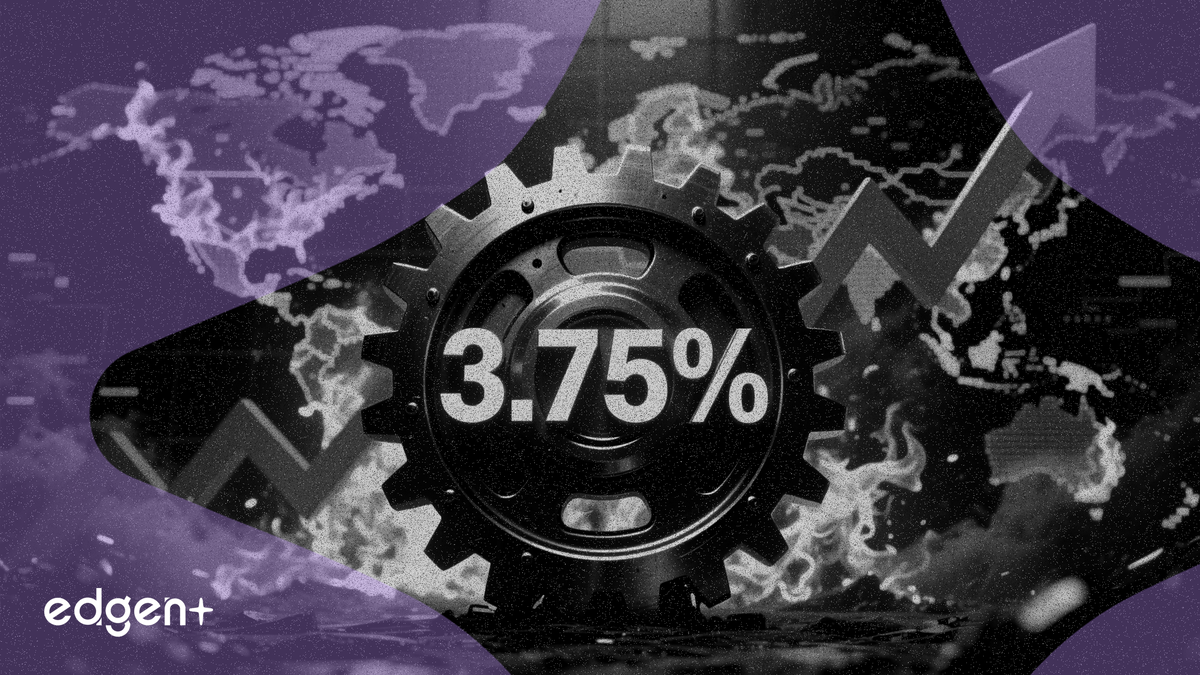
The Federal Reserve held its benchmark interest rate steady at 3.75% on Wednesday, a widely anticipated move that comes as officials confront a new wave of inflation driven by the two-month-old conflict in Iran.
"President Trump has signaled to his advisers to prepare for an 'extended blockade' of Iran to 'compel nuclear capitulation'," the Wall Street Journal reported on April 29, a move that threatens to keep energy prices and inflation elevated.
The decision follows a sharp rise in inflation, which jumped from 2.4% in February to 3.3% in March after the war began. Projections from the Federal Reserve Bank of Cleveland show it could hit 3.56% in April. In response to the geopolitical tensions, oil prices surged above $99 a barrel, and the CME FedWatch Tool shows markets are pricing in zero probability of a rate cut this year.
With the Fed's hands tied by inflation, the "higher for longer" interest rate environment is set to continue, pressuring a stock market that had priced in rate cuts. This policy challenge will be the immediate inheritance for Powell's successor, with the next FOMC decision looming.
The primary driver behind the inflationary spike is the ongoing war with Iran, which led to the shutdown of the Strait of Hormuz for commercial vessels. This disruption in energy supply caused a knee-jerk reaction in crude oil prices. The trailing 12-month inflation rate in the U.S. saw a 90-basis-point jump in March, the first full month to reflect the war's impact. The projected continued increase to 3.56% in April would mark the highest level in approximately three years, all but eliminating the possibility of further rate cuts.
This FOMC meeting was the last for Jerome Powell, whose second term as Fed Chair officially ends on May 15. His tenure has been marked by public disagreements with President Donald Trump, who has favored more aggressive interest rate cuts. Powell has consistently maintained that economic data will guide the central bank's decisions. The nomination of Kevin Warsh as Trump's choice for the next Fed chair adds another layer of uncertainty to the future of U.S. monetary policy.
The combination of geopolitical uncertainty and a hawkish Fed has left markets volatile. The Crypto Fear & Greed Index dropped to 26, indicating "fear," as assets like Bitcoin (BTC), Ethereum (ETH), and XRP experienced significant price swings. Traders are closely watching for any signals on future policy, but with no rate cuts anticipated, the continued strength of the U.S. dollar could exert further pressure on the cryptocurrency market.
This article is for informational purposes only and does not constitute investment advice.