
The euro strengthened past $1.14 as the dollar weakened ahead of the ECB's policy decision Thursday.
The euro strengthened past $1.14 as the dollar weakened ahead of the ECB's policy decision Thursday.
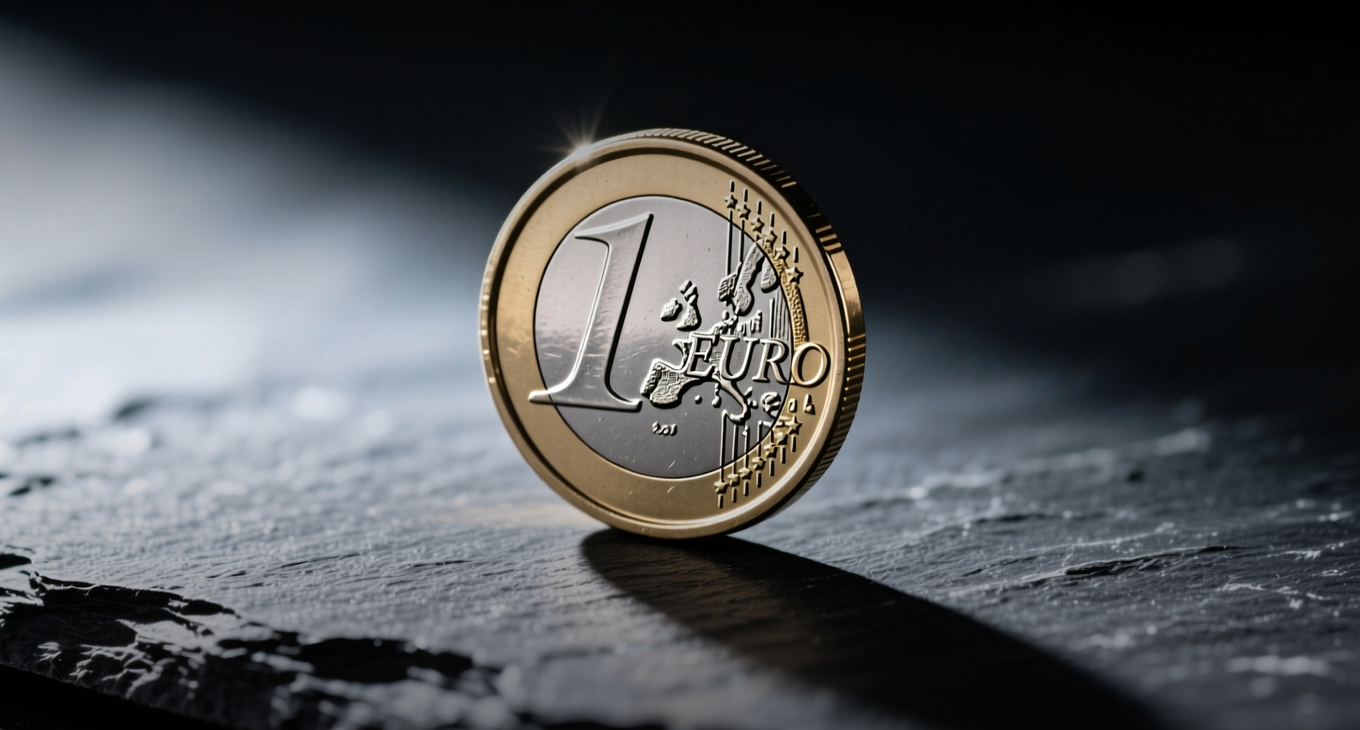
The euro strengthened past $1.14 as the dollar weakened ahead of the ECB's policy decision Thursday.
The euro rose 0.09% to $1.1423 as the dollar eased ahead of the ECB's policy meeting Thursday, with traders pricing two rate hikes by early 2027. The move extended the single currency's recovery as the greenback gave back some of its recent safe-haven gains.
"We cannot fully discount the tail risk of an early 25 bps hike today," said Michiel Tukker, senior strategist at ING. "The question is whether markets would interpret this as a hawkish policy turn or whether the move would be perceived as front-loading September's move."
The dollar index fell 0.08% to 101.06, while the yen weakened 0.10% to 163.30 per dollar, its lowest since December 1986. Oil prices extended gains for a fifth day as attacks on tankers in the Red Sea by Yemen's Houthis and the near-shutdown of the Strait of Hormuz kept energy markets on edge, with the U.S.-Israeli war on Iran disrupting a key chokepoint for global crude shipments.
The ECB is widely expected to hold rates steady while keeping the door open to another increase, a stance that could reinforce the euro's recent gains if the central bank adopts a more hawkish tone than markets have already priced in. The last time the ECB maintained a hawkish hold in a comparable geopolitical environment, the euro gained more than 2 percent against the dollar over the following month, according to historical data.
Yen Weakens Past 163 as Bond Yields Hit 31-Year High
The Japanese yen showed little sign of recovery despite Japan's two-year government bond yield reaching a 31-year high on growing bets that the Bank of Japan would accelerate the pace of interest rate hikes. Finance Minister Katsunobu Kato reiterated Thursday that the government was ready to take decisive forex action as needed, following yen-buying interventions in April and May when the currency weakened beyond the 160-per-dollar level. Those operations marked Tokyo's first foray into currency markets since 2022 and cost an estimated 9.8 trillion yen.
"The consensus view blames a timid BOJ for the recent yen fall, but I think the problem is that higher oil prices have dashed hopes of 1.5 percent GDP growth this year," said Kit Juckes, a strategist at Societe Generale. Japan's status as a net energy importer makes it particularly vulnerable to the surge in crude prices, with each $10 rise in oil adding roughly 0.3 percentage points to the country's import bill, according to estimates from the Japan Center for Economic Research.
Oil and Geopolitical Risks Complicate Central Bank Outlook
The greenback has found support as markets rein in expectations for U.S. rate cuts, with the American economy's lower vulnerability to energy shocks reinforcing demand for the dollar at the expense of the euro and the yen. The U.S. is a net energy exporter, insulating it from the worst of the oil price spike that is hammering import-dependent economies in Europe and Asia.
However, the escalating conflict in the Middle East has pushed oil prices higher for five consecutive days, complicating the inflation outlook for major central banks including the ECB and the Federal Reserve. For the ECB, a sustained rise in oil prices could feed into inflation expectations, potentially strengthening the case for the two rate hikes that markets are already pricing by early 2027. The Federal Reserve faces a similar dilemma: higher energy costs could keep inflation above the 2 percent target, delaying the rate cuts that markets have been anticipating.
Mallika Sachdeva, head of forex thematics at Deutsche Bank Research, said the ultimate impact on currencies would depend on the levers governments choose to use in response to the energy supply disruption. "The transmission mechanism runs through both trade balances and inflation expectations," she said, "and each central bank will respond according to its domestic vulnerabilities."
This article is for informational purposes only and does not constitute investment advice.
