
Key Takeaways:
- The euro edged higher against the dollar as markets await the Fed's rate decision.
- The Fed is expected to hold rates at 3.75% with focus on forward guidance.
- Thursday's GDP and core PCE data will shape rate-cut expectations.
Key Takeaways:
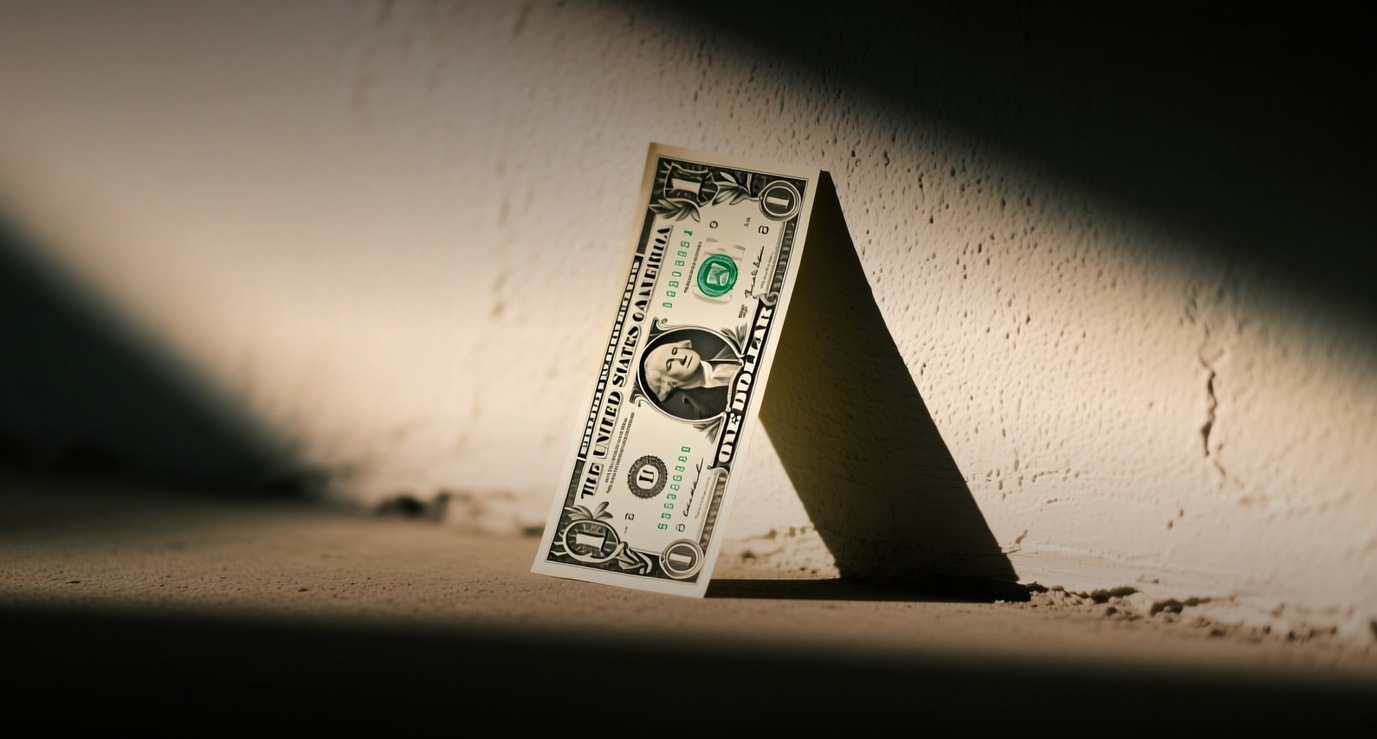
The euro edged higher against the US dollar as traders positioned for the Federal Reserve's rate decision later Wednesday.
The euro edged higher against the US dollar Wednesday, with the Federal Reserve expected to hold its benchmark rate at 3.75% while investors scrutinize forward guidance for signals on the timing of future cuts.
"The dollar's modest weakness reflects positioning for a status-quo Fed decision, but the real catalyst will be whether Chair Powell pushes back against market expectations for rate cuts later this year," said Alex Evans, Senior Client Advisor at Whitechapel Securities.
The Dollar Index slipped 0.14% to 101.12, extending its decline from last week. Gold held near $4,045 an ounce, while silver edged up 0.67% to $57.51. The Fed's decision at 2 p.m. ET will be accompanied by a statement and press conference, with fed funds futures pricing a 96% probability of no change to the 3.75% rate, according to CME FedWatch data.
The stakes are high for currency markets. A hawkish hold that pushes back against rate-cut expectations could strengthen the dollar and pressure the euro back toward recent lows, while any dovish signal would likely accelerate the dollar's decline. The next major test for the greenback comes Thursday with the release of second-quarter GDP data, where economists forecast an annualized growth rate of 2.3%, and the June core PCE price index, the Fed's preferred inflation gauge.
The Fed's decision arrives against a backdrop of mixed economic signals. Oil prices rebounded more than 3% Wednesday, with WTI crude climbing to $82.08 a barrel, reviving concerns that energy costs could keep inflation elevated. The 10-year US Treasury yield edged up to 4.61%, reflecting the market's cautious positioning.
The last time the Fed held rates steady through a comparable stretch of elevated inflation was in 2006-2007, when the fed funds rate remained at 5.25% for 15 months before the central bank began cutting in September 2007. While the current cycle differs in magnitude and speed, the parallel underscores how extended pauses can precede policy pivots.
Thursday's data releases will provide the next directional cue. The core PCE price index is expected to rise 0.1% month over month in June, down from 0.3% in May, which would mark the smallest increase since late 2023. Personal income and spending data, also due Thursday, will offer clues on whether consumer demand is cooling enough to give the Fed cover to cut later this year.
This article is for informational purposes only and does not constitute investment advice.
