The European Central Bank's new research attributes the euro zone's inflation spike since the start of the war in Iran almost entirely to higher energy prices, retroactively justifying the small rate increase delivered in June.
"We must show no complacency in the face of these inflationary pressures," Olli Rehn, ECB policymaker and governor of the Bank of Finland, told the Financial Times, warning that an extended "conflict of attrition" in the Middle East could keep inflation elevated.
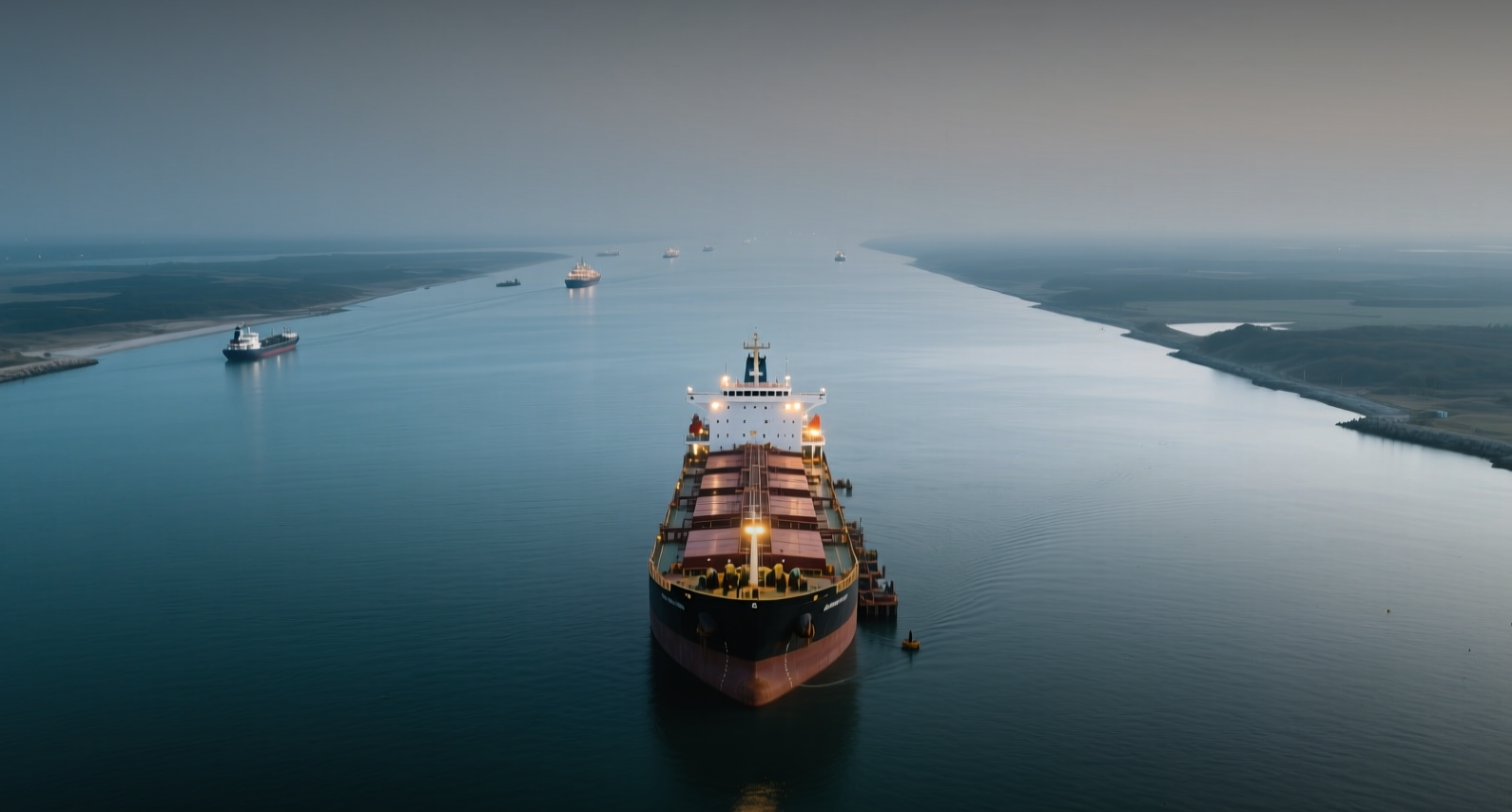
Euro zone inflation has risen to 3.3 percent, driven by energy prices pushed up by the war between the U.S. and Israel on one side and Iran, with the near closure of the Strait of Hormuz disrupting shipping and blocking energy flows. Recent analyses show shipping cost increases have significantly offset disinflationary forces, keeping inflation elevated through 2026-27.
The research raises the question of whether the June hike was a one-off response to an energy shock or the start of a tightening cycle. Prolonged disruptions risk stagflation in Europe, with inflation potentially rising by more than 0.9 percentage points, forcing the ECB to weigh further action.
The ECB's findings, published Tuesday, mark a shift in how the institution frames its policy response. By attributing the inflation spike almost entirely to energy prices linked to the Iran conflict, the research provides retrospective cover for the June decision while also indicating that the central bank views the shock as external rather than demand-driven.
That distinction matters for the policy path. If inflation is energy-led, the ECB may be less inclined to pursue aggressive tightening, since rate increases do little to address supply-side shocks. But Rehn's warning suggests the Governing Council is not prepared to look through the price pressures entirely.
Strait of Hormuz Disruption Deepens Supply Risk
The near closure of the Strait of Hormuz — a chokepoint through which roughly a fifth of global oil passes — has pushed crude above $91 a barrel, with bond markets selling off as investors price in persistent inflation. Shipping cost increases and blocked energy flows have offset the disinflationary forces that were expected to bring euro zone prices back toward the ECB's 2 percent target.
The last time the ECB faced a comparable energy-driven inflation shock was in 2022, following Russia's invasion of Ukraine, when the central bank delivered a series of rate increases before pausing as energy prices normalized. The current episode carries similar risks, though the conflict's trajectory remains uncertain.
Stagflation Risk Looms
Prolonged disruptions could push inflation more than 0.9 percentage points higher while simultaneously contracting economic output, a stagflation scenario that would complicate ECB policy. Rate increases to combat inflation would deepen the growth slowdown, while holding rates could allow price pressures to become entrenched.
The ECB's next policy meeting will be closely watched to determine whether the June hike represents a one-off adjustment or the beginning of a sustained tightening cycle. Markets are pricing in the possibility of further action if energy prices remain elevated, but the central bank's new research suggests it may view the current spike as a temporary external shock.
This article is for informational purposes only and does not constitute investment advice.