


Key Takeaways:
- Dell fell 6 percent to near $407 as rising memory costs pressure margins
- Western Digital rose 5 percent to $678 after Micron's blowout quarterly results
- The split reflects pricing power shifting to memory suppliers from assemblers
Key Takeaways:
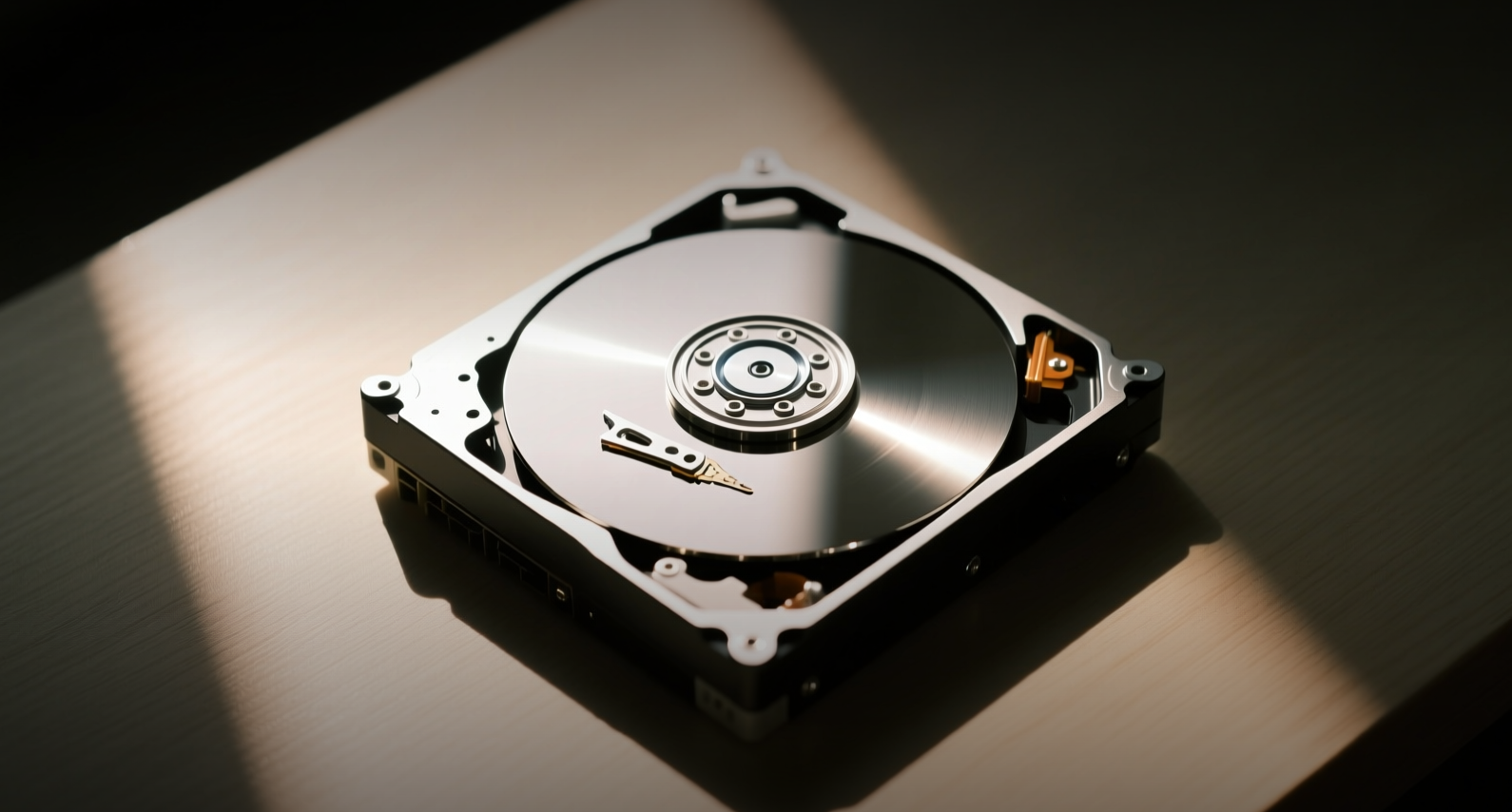
Dell Technologies fell 6 percent to near $407 while Western Digital rose 5 percent to $678, splitting the AI hardware trade after Micron's blowout results reinforced memory pricing power.
"Virtually every AI workload, from training, inference, agentic AI to physical AI, creates data that is stored persistently and cost-efficiently on HDDs," Irving Tan, chief executive officer of Western Digital, said.
Dell's gross margin compressed to 18 percent from 21 percent a year earlier in its fiscal first quarter, with management attributing the pressure to a mix shift toward lower-margin AI servers. Western Digital posted non-GAAP gross margin of 51 percent and revenue of $3.34 billion, up 46 percent year over year. SanDisk and Micron also rallied alongside Western Digital, while hardware assemblers absorbing higher component costs lagged.
Western Digital reports fiscal fourth-quarter results in late July, guiding to revenue of $3.65 billion plus or minus $100 million. Dell follows with fiscal second-quarter numbers in late August, forecasting revenue of $44 billion to $45 billion. The next earnings cycle will clarify whether memory suppliers can sustain pricing power and how much of that cost hardware makers must absorb.
The Nasdaq 100 fell 1.36 percent to 29,460.40, while the S&P 500 slipped 0.80 percent to 7,371.80, as the memory-driven divergence within AI hardware weighed on the broader tech complex. The Dow Jones Industrial Average edged up 0.01 percent to 52,139.00, and the Russell 2000 added 0.09 percent to 3,006.89. The divergence between memory suppliers and hardware assemblers was the clearest sector-level signal in Thursday's session.
Dell's 224 percent year-to-date gain through Wednesday's close and Western Digital's 296 percent rally meant both stocks carried elevated expectations entering Thursday's session. The move followed Micron's quarterly report, which memory and storage investors read as confirmation that AI data center demand continues to accelerate, justifying premium valuations for suppliers. Memory has been a bottleneck in the AI buildout, and that scarcity is now showing up as pricing power for the suppliers.
For Dell, the concern is that rising memory costs compound an existing margin problem. The company's AI-optimized server revenue surged 757 percent year over year to $16.13 billion in the fiscal first quarter, but the mix shift toward lower-margin hardware compressed overall gross margins by 3 percentage points. With memory prices climbing, the bear case is that margin math gets harder before it gets easier. One red day after a 224 percent rally does not constitute a thesis change, but the direction of the margin pressure is worth watching ahead of the August earnings report.
Western Digital's outlook reflects the opposite dynamic. The company guided to fiscal fourth-quarter revenue of $3.65 billion, up from $3.34 billion in the prior quarter, with non-GAAP earnings per share of $3.25. Sentiment on the stock among retail traders on WallStreetBets hit a very bullish reading of 82 last week before cooling. The mix of retail enthusiasm and the scale of this year's 296 percent run means expectations are elevated heading into the July report.
Capital rotated toward the suppliers feeding the AI buildout rather than the box makers stitching the systems together. The divergence is showing up across the complex: SanDisk and Micron rode the memory bid alongside Western Digital, while assemblers and hardware makers that purchase those components were mixed at best. Investors can watch whether Thursday's split widens into a broader rotation or fades as the market digests Micron's results.
This article is for informational purposes only and does not constitute investment advice.
