
CXMT's blockbuster debut reshapes the global memory chip market overnight.
CXMT's blockbuster debut reshapes the global memory chip market overnight.
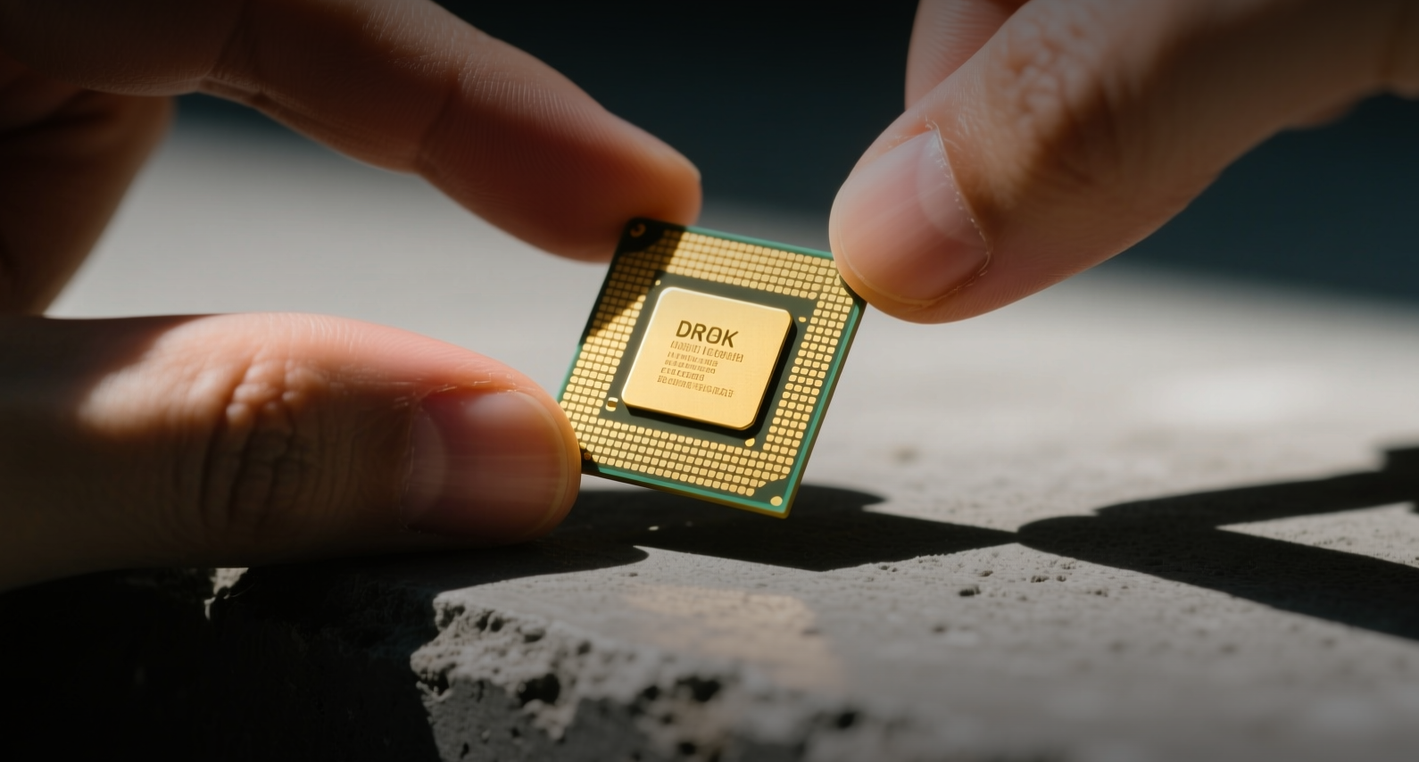
ChangXin Memory Technologies Corp. surged 466% in its Shanghai debut on Monday, becoming China's most valuable listed company and triggering a selloff in US chip stocks as investors priced in a new competitive threat to the $160 billion DRAM market.
"The IPO completes the most critical piece of a puzzle for the A-share market's memory sector," Wu Hao, a portfolio manager at Founder Fubon Fund, said. "It gives China its first homegrown DRAM powerhouse with global heft, sharpening the investment case across the memory value chain."
Shares of CXMT, as the Hefei-based company is known, closed at 49 yuan per share after touching a high of 55.03 yuan, giving it a market capitalization of more than 3 trillion yuan ($443 billion). That briefly surpassed Industrial and Commercial Bank of China as the domestic market's top-weighted company and overtook US peer Intel Corp. in market value. The stock's single-day turnover hit a record 140 billion yuan, reflecting intense investor demand for a company seen as central to Beijing's push for semiconductor self-sufficiency.
The listing marks a turning point for China's semiconductor ambitions. CXMT, founded in 2016 by Chairman Zhu Yiming, held about 7.67% of the global DRAM market in the fourth quarter of 2025, trailing Samsung, SK Hynix and Micron but ahead of every other domestic Chinese producer. With AI-driven demand expected to drive a seven-fold surge in global memory demand by 2030, the company's annual output growth is estimated at 40% to 45%, according to analysts at Sinolink Securities.
Why US chip stocks are feeling the pressure
The immediate market reaction was felt across the Pacific. Shares of Micron Technology Inc., the only US-based DRAM manufacturer, fell alongside other semiconductor stocks as traders weighed the prospect of a Chinese competitor with state backing and rapidly improving technology. CXMT's IPO was oversubscribed about 200 times, a sign of the scarcity premium investors assign to domestic chip champions in an era of export controls.
Nomura Holdings Inc. analyst Donnie Teng gave CXMT a buy rating with a 116-yuan price target, implying potential for a 1,239% rally from its IPO price. Teng projects CXMT's global DRAM market share will rise from about 10% currently to 18% by the end of 2028. Huaxi Securities analysts estimate the company's market cap may stabilize at 2 trillion to 3 trillion yuan in a base-case scenario, with upside to 4 trillion yuan under bullish assumptions.
A new competitive dynamic in memory chips
While CXMT has closed the gap in conventional DRAM — the workhorse memory that smartphones, laptops and servers use to process data in real time — it still trails the industry leaders in advanced technologies such as high-bandwidth memory, or HBM, which is increasingly critical for AI systems. US export controls continue to restrict its access to cutting-edge chipmaking equipment, limiting how quickly it can challenge Samsung and SK Hynix in the premium segment.
Still, the company is no longer just a domestic supply-chain story. Reports that Apple Inc. has begun testing CXMT's DRAM for iPhones sold in China suggest the world's largest device maker is taking the Chinese chipmaker seriously as a potential supplier. If confirmed, such a relationship would validate CXMT's manufacturing quality and open a path to higher-margin business.
For investors, the calculus is shifting. CXMT's valuation — at more than 30 times its IPO price on day one — reflects a premium for scarcity and strategic importance rather than current earnings power. Micron, by contrast, trades at a fraction of that multiple. The question is whether CXMT can translate its state-backed scale into the technological parity needed to challenge the incumbents in the most profitable segments of the memory market. The answer, analysts say, will take years to play out — but Monday's debut made clear that the competitive environment has already changed.
This article is for informational purposes only and does not constitute investment advice.
