


CXMT posted its first public earnings Friday, recouping a decade of losses in one quarter as AI demand lifted DRAM prices.
CXMT posted its first public earnings Friday, recouping a decade of losses in one quarter as AI demand lifted DRAM prices.
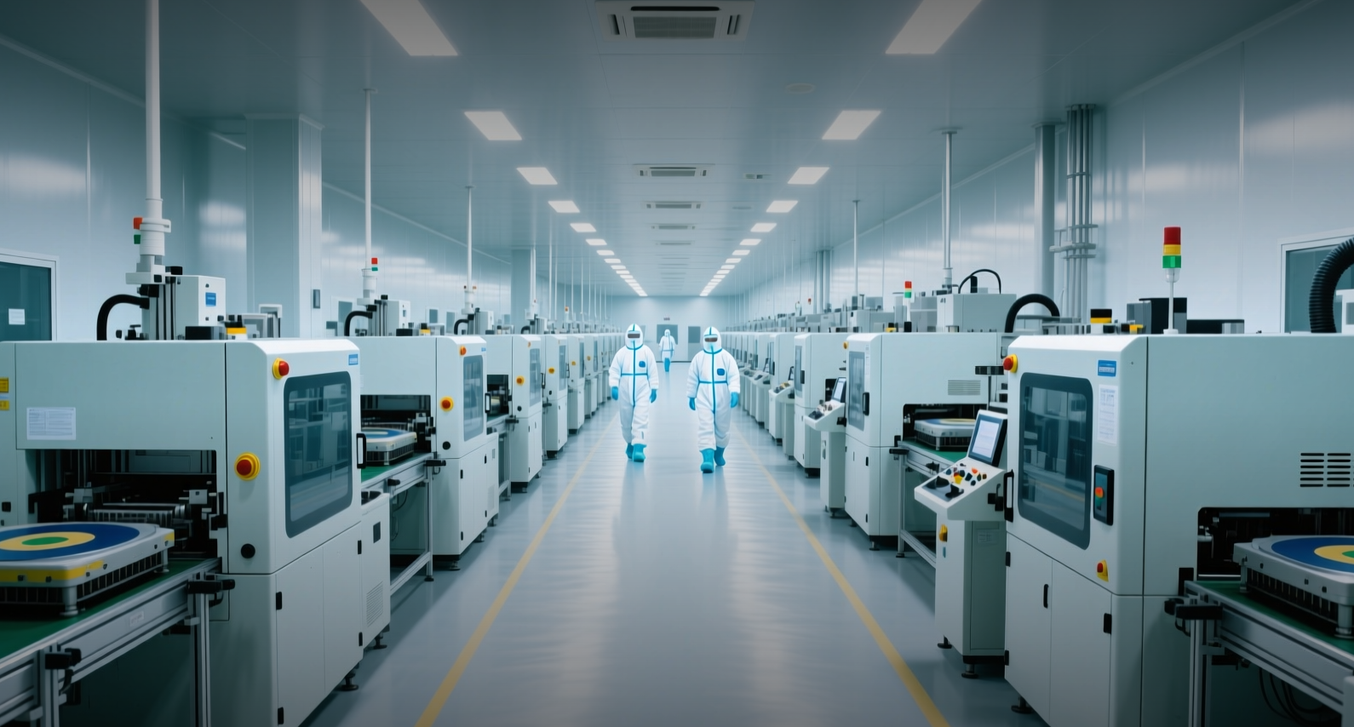
CXMT, China's largest memory-chip maker, reported its first public earnings Friday, with sales surging as AI services drive a global DRAM and NAND shortage that has pushed prices to multi-year highs.
"Memory is now the scarce resource of the AI buildout, and suppliers are pricing accordingly," Dan Ives, an analyst at Wedbush Securities, said.
The company burned through $5 billion over a decade building out capacity, then recouped that sum in a single quarter as contract prices for DRAM and NAND climbed. China's chip industry posted record revenue of $245 billion, with CXMT and foundry leader SMIC leading the expansion, according to industry data.
The results show how the AI memory crunch has become a windfall for Chinese suppliers that Washington has tried to contain with export controls. CXMT's surge pressures Micron Technology, which competes directly in DRAM, even as the broader memory rally lifts Samsung Electronics, SK Hynix and Western Digital.
A Decade of Catch-Up Pays Off
The earnings mark CXMT's first financial disclosure since its listing, giving investors a window into a company that spent a decade catching up to global leaders in DRAM, the memory chips that power servers and data centers. The AI buildout has turned memory into one of the tightest links in the semiconductor supply chain, with hyperscalers stockpiling DRAM and high-bandwidth memory (HBM, the stacked chips used in AI accelerators) faster than suppliers can add capacity.
That shortage has pushed memory prices to levels not seen in years, a reversal from the oversupply that crushed the sector in 2023. The Roundhill Memory ETF, which tracks memory-chip makers and launched in April, counts Samsung Electronics as its largest holding at 19.2 percent, followed by Seagate Technology at 5.15 percent — a sign of how broadly the rally has spread across the supply chain.
For CXMT, the windfall confirms a strategy built on heavy state-backed investment. The company's path to profitability mirrors the broader rise of China's chip sector, which Washington has sought to slow with export controls on advanced equipment and technology. Those restrictions have not stopped Chinese suppliers from cashing in on the memory boom, and CXMT's results suggest the country's largest memory maker is now a serious rival to Micron in DRAM.
The memory rally has also lifted Western peers. SanDisk shares climbed nearly 3 percent on optimism about the AI-driven memory cycle, while analysts including Ives have argued that Micron, SanDisk and Western Digital remain cheap relative to the earnings power the current pricing environment supports. Ives has described the memory trade as one where suppliers hold the pricing power: "It's their world and everyone else is paying rent."
What the Rally Means for Investors
CXMT's debut earnings confirm that the AI memory shortage is broad enough to benefit even suppliers operating under export restrictions, a dynamic that could keep DRAM and NAND prices elevated through 2027. For investors, the question is whether the rally has further to run. The Roundhill Memory ETF has climbed from a 52-week low of $26.14 to about $56, a gain of more than 100 percent since its April launch, and memory names from Samsung to Seagate have ridden the same wave. The next test comes as hyperscalers report data-center capital spending, which will show whether demand for memory keeps pace with the capacity suppliers are now racing to add.
This article is for informational purposes only and does not constitute investment advice.
