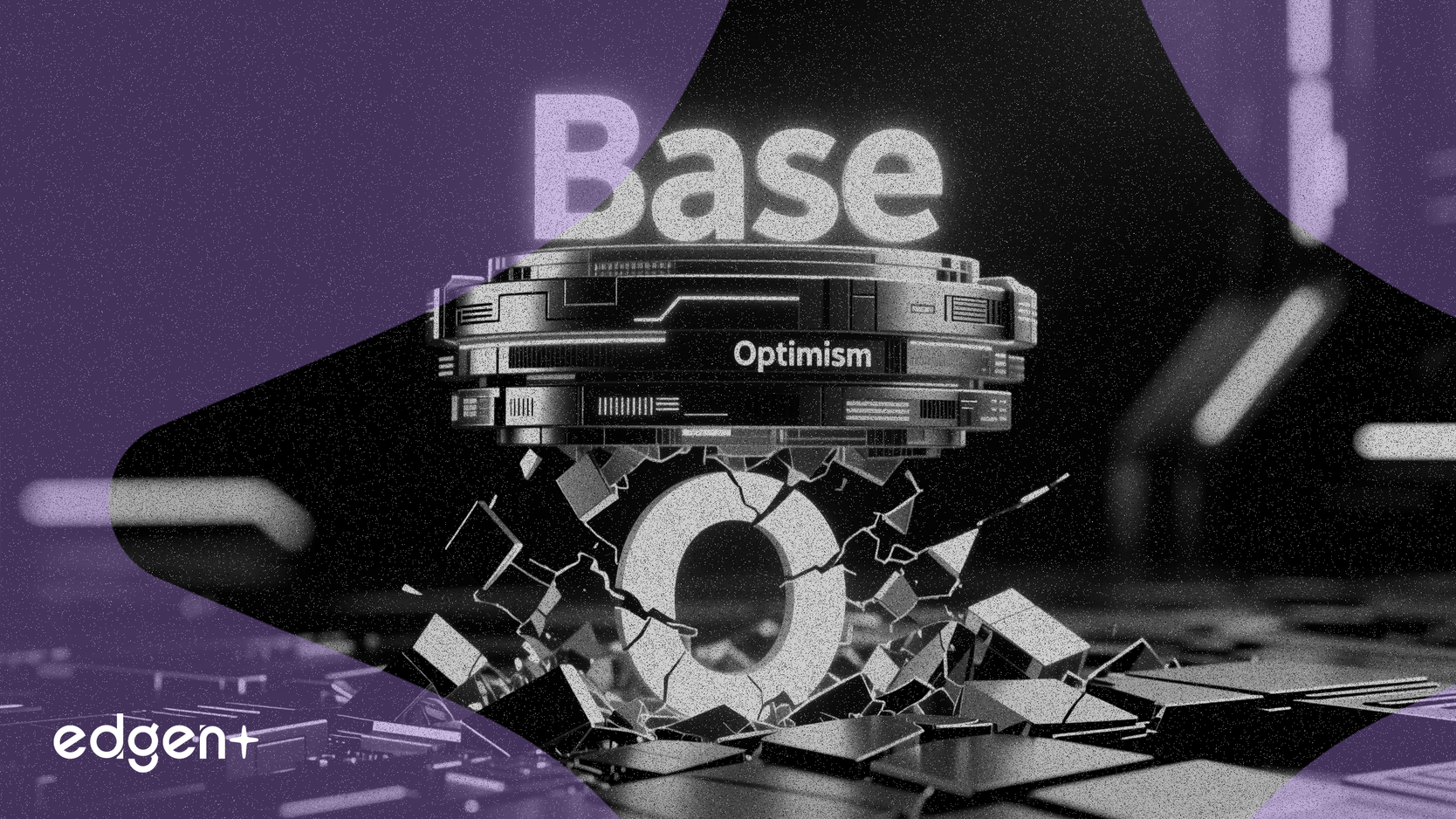
Base Moves to A Proprietary, Unified Tech Stack
The Coinbase-incubated Ethereum Layer 2 network, Base, is charting a new course for its foundational software. The project announced it will move away from the Optimism stack, which has served as its technological backbone, in favor of a new, unified stack operated directly by Base. This decision marks a significant departure from its original alignment and signals a strategic push for greater control and customization over its own infrastructure.
This evolution means Base will fork the existing Optimism technology to build a proprietary solution. While details on the new stack are still pending, the move is designed to give Base more sovereignty and the ability to tailor its network's performance and features specifically for its ecosystem, which is deeply integrated with Coinbase's broader product suite.
Move Challenges Optimism's 'Superchain' Vision
Base's pivot delivers a strategic blow to Optimism's overarching 'Superchain' thesis. The Superchain concept envisions a large, interoperable network of Layer 2s built on the OP Stack, all contributing to a cohesive and scalable ecosystem. By choosing to operate its own distinct stack, Base is effectively stepping outside of this collaborative framework.
The decision by such a high-profile partner to fork the technology rather than contribute to the core codebase raises questions about the long-term viability of the unified Superchain model. This development could be interpreted as bearish for the Optimism (OP) token, as it underscores the competitive pressures and diverging interests within the Layer 2 market. It highlights the tension between building a unified, open ecosystem and the desire for individual projects to control their own destiny.
New Stack Bets on Sovereignty Over Interoperability
The strategic rationale for Base appears to be a calculated trade-off, prioritizing sovereignty and performance over native interoperability with the broader Optimism ecosystem. A proprietary stack could allow Base to innovate faster and optimize for specific use cases demanded by Coinbase's massive user base, potentially creating a more performant and vertically integrated environment.
However, this path also introduces significant risks. It contributes to the growing fragmentation of the Layer 2 market, where competing, non-interoperable standards can create friction for users and developers. The long-term success of Base's strategy will depend entirely on whether its new, proprietary solution can deliver tangible performance benefits that outweigh the loss of native connectivity to the Superchain.